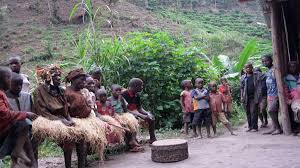
The Original Forest People of East Africa
Embark on a profound 5-day cultural journey to connect with the Batwa Pygmies, the indigenous forest people who have lived in the mountain forests of Uganda and Rwanda for millennia. This unique experience offers genuine cultural exchange, allowing you to learn ancient traditions, forest survival skills, and the remarkable heritage of these original inhabitants of the African rainforests. Witness their resilience and adaptation as they preserve their identity while integrating into modern society.
Experience Highlights:
- Forest Walk: Guided by Batwa through their ancestral forest homeland
- Traditional Skills: Learn ancient hunting, gathering, and crafting techniques
- Cultural Performances: Authentic Batwa music, dance, and storytelling
- Community Interaction: Genuine connection with Batwa families and elders
- Heritage Sites: Visit sacred caves and historical forest locations
- Craft Workshops: Create traditional Batwa crafts with master artisans
- Culinary Exchange: Prepare and share traditional forest foods
- Conservation Insight: Understand Batwa perspectives on forest conservation
Who Are the Batwa People?
The Batwa (also known as Twa) are one of the oldest indigenous groups in Africa, with a history spanning over 60,000 years in the Great Lakes region. Traditionally hunter-gatherers of the montane rainforests, they are the original inhabitants of the forests now protected as national parks in Uganda, Rwanda, and the Democratic Republic of Congo. Their profound knowledge of forest ecosystems, medicinal plants, and sustainable living offers invaluable insights into harmonious coexistence with nature.
Detailed Cultural Experience Itinerary
DAY 1: ENTEBBE/KIGALI TO BWINDI/MGAHINGA
Morning Arrival: Collection from Entebbe International Airport (Uganda) or Kigali International Airport (Rwanda).
Briefing Session: Introduction to Batwa culture, etiquette guidelines, and tour overview.
Scenic Journey: Travel through beautiful landscapes to the forest regions.
Cultural Context: Stop at viewpoints with explanations of Batwa history and displacement.
Lunch en route: Traditional meal introduction at a local restaurant.
Arrival at Community: Welcome to the Batwa settlement area near Bwindi or Mgahinga.
Lodge Check-in: Settle into your comfortable eco-lodge with forest views.
Evening Introduction: Meet Batwa community representatives for initial welcome ceremony.
Traditional Dinner: First experience of Batwa-inspired cuisine.
Cultural Film: Optional documentary viewing about Batwa history and conservation challenges.
DAY 2: BATWA FOREST IMMERSION DAY
Morning Forest Entry: Enter the forest with Batwa guides who know every trail and plant.
Traditional Gathering: Learn to identify edible plants, fruits, and forest resources.
Medicinal Plants: Discover traditional Batwa medicine and healing knowledge.
Forest Shelter: Learn how Batwa construct temporary forest shelters from natural materials.
Hunting Techniques: Demonstration of traditional hunting methods (no live hunting).
Sacred Sites: Visit important cultural and spiritual locations within the forest.
Forest Lunch: Simple meal prepared with gathered forest ingredients.
Afternoon Crafts: Return to settlement for traditional craft workshops:
- Basket weaving with natural fibers
- Pottery using traditional methods
- Beadwork and jewelry making
- Traditional tool crafting
Cultural Exchange: Informal time with Batwa families, sharing stories and experiences.
Evening Performance: Authentic Batwa music, dance, and storytelling around the fire.
Traditional Dinner: Community meal featuring forest ingredients.
DAY 3: DEEP CULTURAL CONNECTIONS
Morning with Elders: Special session with Batwa elders sharing oral history and traditions.
Language Lesson: Basic introduction to the Batwa language (Kinyarwanda/Kifumbira dialects).
Traditional Cooking: Participate in preparing a traditional Batwa meal from start to finish.
Community Projects: Visit Batwa-led initiatives:
- Traditional healing clinic
- Community school or kindergarten
- Women's craft cooperative
- Cultural preservation center
Afternoon Choice: Select from cultural activities:
- Advanced Crafting: Refine skills in chosen traditional craft
- Music Workshop: Learn to play traditional instruments
- Forest Walk: Additional guided exploration with different focus
- Photography Session: Document cultural activities respectfully
Cultural Exchange Dinner: Shared meal with Batwa hosts, discussing daily life and challenges.
Evening Reflection: Group discussion about cultural insights and experiences.
DAY 4: TRANSITION AND COMMUNITY IMPACT
Morning Market Visit: Accompany Batwa to local market to understand economic activities.
Skill Sharing: Participate in mutual skill exchange session (teach something from your culture).
Conservation Dialogue: Discussion with Batwa conservation guides about forest protection.
Cultural Documentation: Opportunity to record stories, songs, or traditions with permission.
Farewell Ceremony Preparation: Collaborative preparation for evening celebration.
Afternoon Free Time: Optional activities:
- Personal Projects: Complete craft items with Batwa artisans
- One-on-One Exchange: Time with specific community members
- Nature Walk: Gentle walk in surrounding areas
- Rest and Reflection: Time to process the experience
Grand Farewell Ceremony: Traditional celebration with all community members.
Gift Exchange: Respectful exchange of gifts and tokens of appreciation.
Final Community Dinner: Celebration feast with traditional foods and performances.
DAY 5: DEPARTURE AND REFLECTION
Morning Goodbyes: Final interactions with Batwa community members.
Cultural Contribution: Optional visit to community project you may wish to support.
Check-out: Depart from your lodge.
Return Journey: Travel back to Entebbe or Kigali with cultural reflection stops.
Lunch en route: Final traditional meal experience.
City Arrival: Arrive in Entebbe or Kigali by mid-afternoon.
Final Options:
- Transfer to airport for departure
- Drop-off at your city hotel if extending stay
- Optional city cultural sites if time permits
Experience Review: Final discussion about cultural insights and take-aways.
Farewell: Bid farewell to your guide.
Cultural Activities You'll Experience
Learn about traditional healing plants and remedies
Participate in traditional Batwa musical performances
Create traditional baskets from forest materials
Demonstrations of traditional hunting techniques
Prepare meals using traditional methods and ingredients
Learn to construct temporary forest dwellings
Listen to ancient Batwa legends and oral history
Create traditional Batwa jewelry and decorations
Essential Cultural Experience Information
Guidelines for respectful engagement with indigenous communities
When and how to take photos respectfully in cultural contexts
What to bring and appropriate gift-giving practices
Tips for meaningful cross-cultural communication
Cultural Exchange Guidelines:
- Respect First: Always approach with respect for different ways of life
- Ask Permission: Always ask before taking photographs of people
- Listen Actively: Prioritize listening over talking during exchanges
- No Pity, Respect: Avoid patronizing attitudes; approach with mutual respect
- Cultural Sensitivity: Be aware of and respect cultural norms and taboos
- Fair Exchange: Ensure the experience benefits the community fairly
- No Exploitation: Reject any activities that feel exploitative or staged
- Follow Leadership: Always follow the guidance of community leaders
This experience is designed in partnership with Batwa communities to ensure cultural integrity, fair compensation, and mutual benefit. A portion of your fee goes directly to community development projects chosen by the Batwa themselves, supporting education, healthcare, and cultural preservation initiatives.
Essential Tips for Cultural Immersion
Research: Learn basic Batwa history before arrival. Language: Learn a few greeting phrases in local language. Mindset: Come with openness, humility, and willingness to learn. Expectations: Understand this is authentic cultural exchange, not a performance.
Modest Clothing: Respectful attire that covers shoulders and knees. Sturdy Shoes: Comfortable walking shoes for forest trails. Small Gifts: Useful items like school supplies, not candy or money. Notebook: For recording insights and learnings. Reusable Water Bottle: Stay hydrated during activities.
Ask First: Always ask permission before photographing people. Respectful Distance: Use zoom rather than intruding on personal space. No Staging: Don't ask people to pose or recreate activities. Share Images: Offer to share photos with community members. Cultural Moments: Focus on activities rather than posed portraits.
Vaccinations: Yellow Fever certificate required; consult doctor for others. Malaria Prophylaxis: Recommended for forest regions. Travel Insurance: Essential for all international travel. Altitude: Some areas are at moderate altitude - stay hydrated. Digital Detox: Limited connectivity in remote areas - prepare accordingly.
Best Time for Cultural Experience:
- Dry Seasons (Best): June-September & December-February - easier travel conditions
- Cultural Festivals: Align with traditional ceremonies if possible (ask about dates)
- Shoulder Seasons: March-May & October-November - fewer tourists, lush scenery
- Year-Round: Cultural activities operate throughout the year
- Local Considerations: Avoid times when communities are occupied with planting/harvesting
Community Fee: A significant portion of your tour cost goes directly to the Batwa community. Transparent Pricing: We clearly explain how funds are distributed. Project Support: You'll visit community projects supported by tourism. Sustainable Impact: Tourism creates sustainable income alternatives to forest resource extraction.
Ready for Your Cultural Journey?
Experience one of Africa's most authentic cultural encounters with the indigenous Batwa people. Limited group sizes ensure meaningful interaction and minimal impact.
Book This Cultural ExperienceContact our cultural tourism specialists to arrange this unique Batwa immersion experience.