Great Migration & Serengeti Safaris
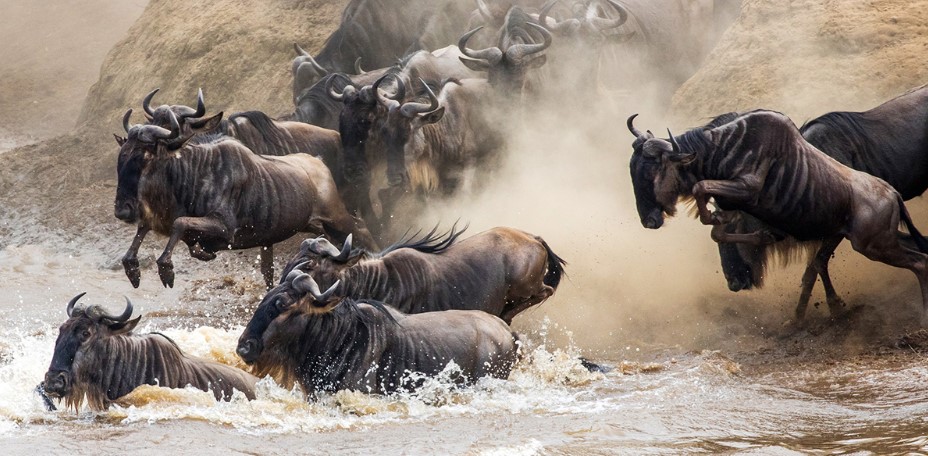
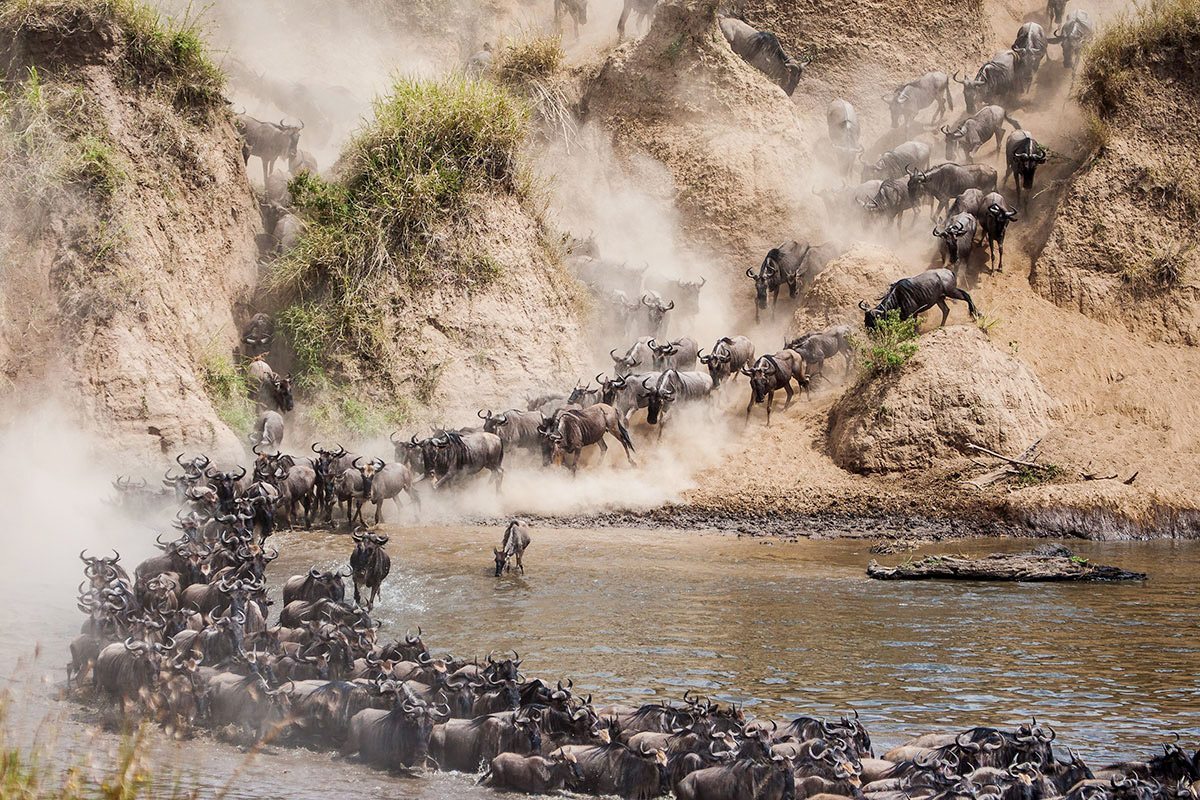
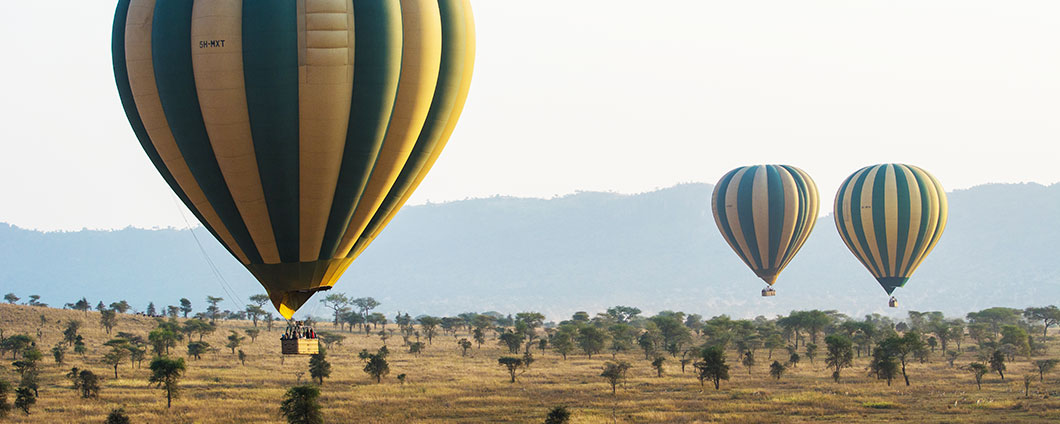
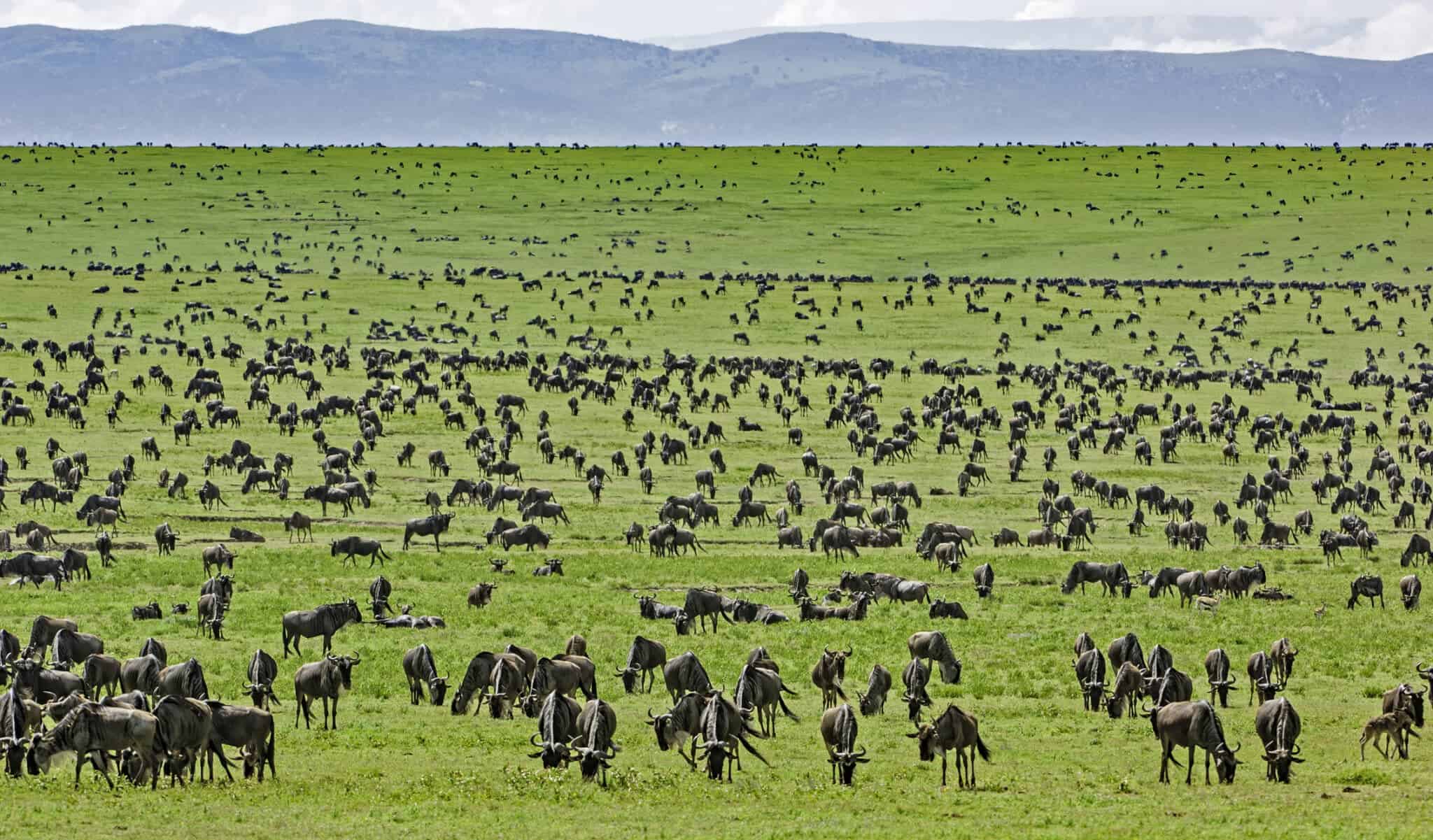
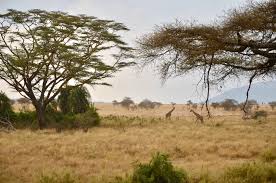
Witness the greatest wildlife spectacle on Earth in the Serengeti with Mahogany Travel Expeditions.
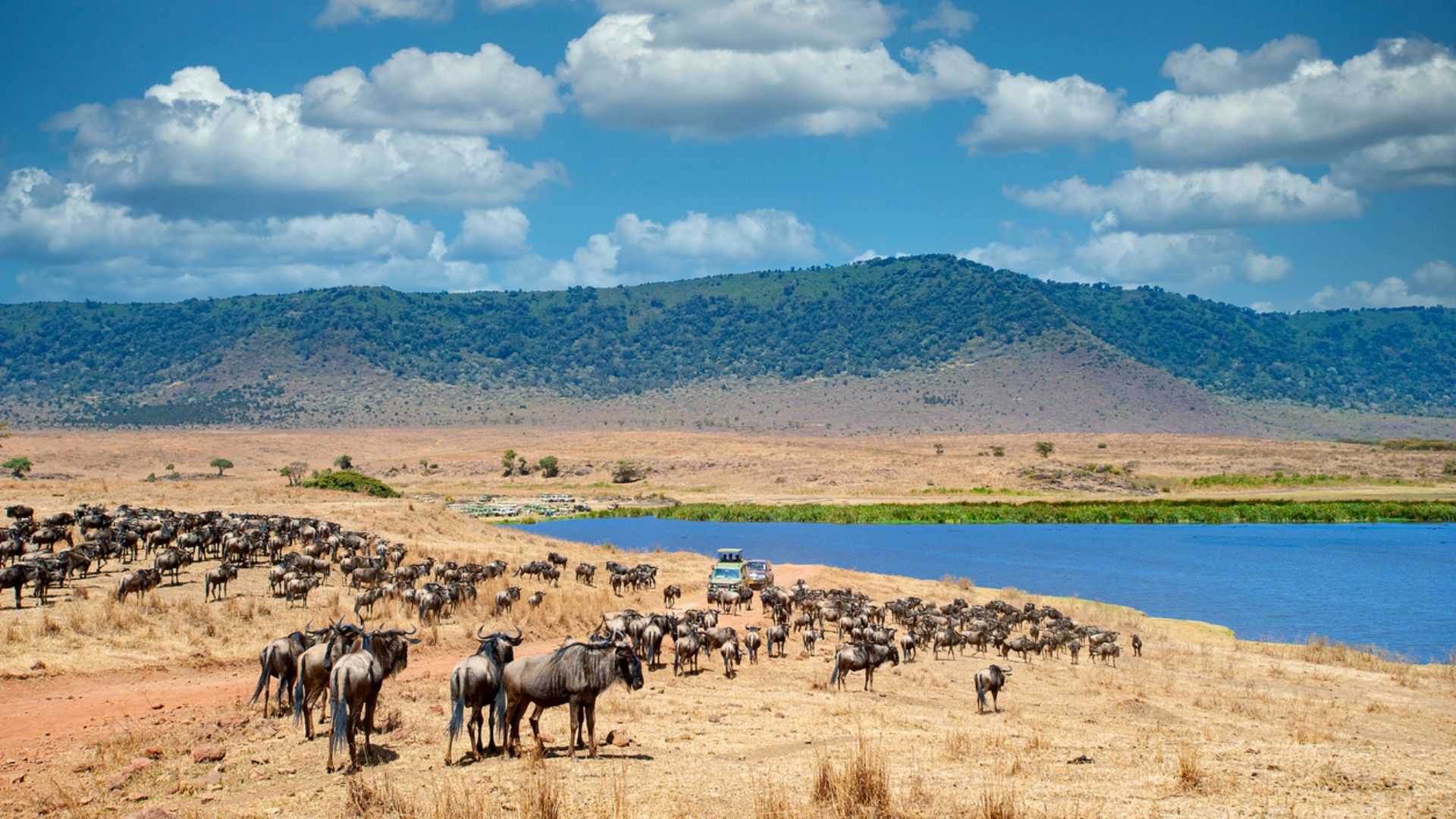
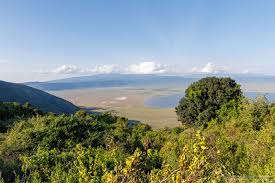
Explore the world's largest intact volcanic caldera teeming with wildlife in Ngorongoro Conservation Area.
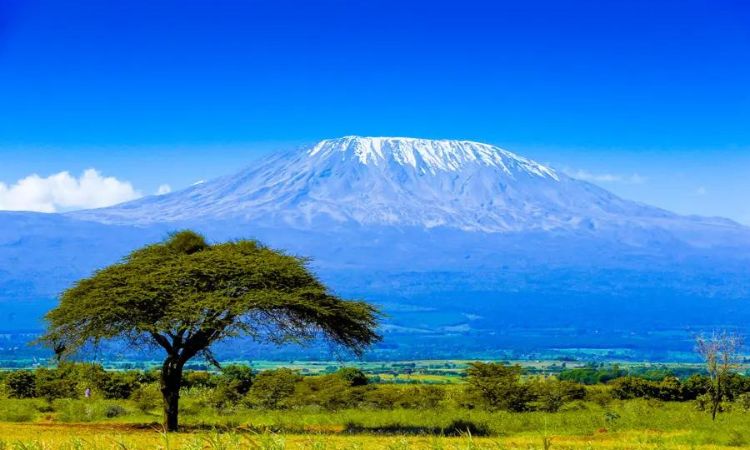
Conquer Mount Kilimanjaro, Africa's highest peak and the world's tallest free-standing mountain.
Experience Tanzania's incredible wildlife spectacles, from the Great Wildebeest Migration in Serengeti to the Big Five in Ngorongoro Crater. Climb Mount Kilimanjaro, relax on Zanzibar's pristine beaches, and explore Africa's most iconic destinations.
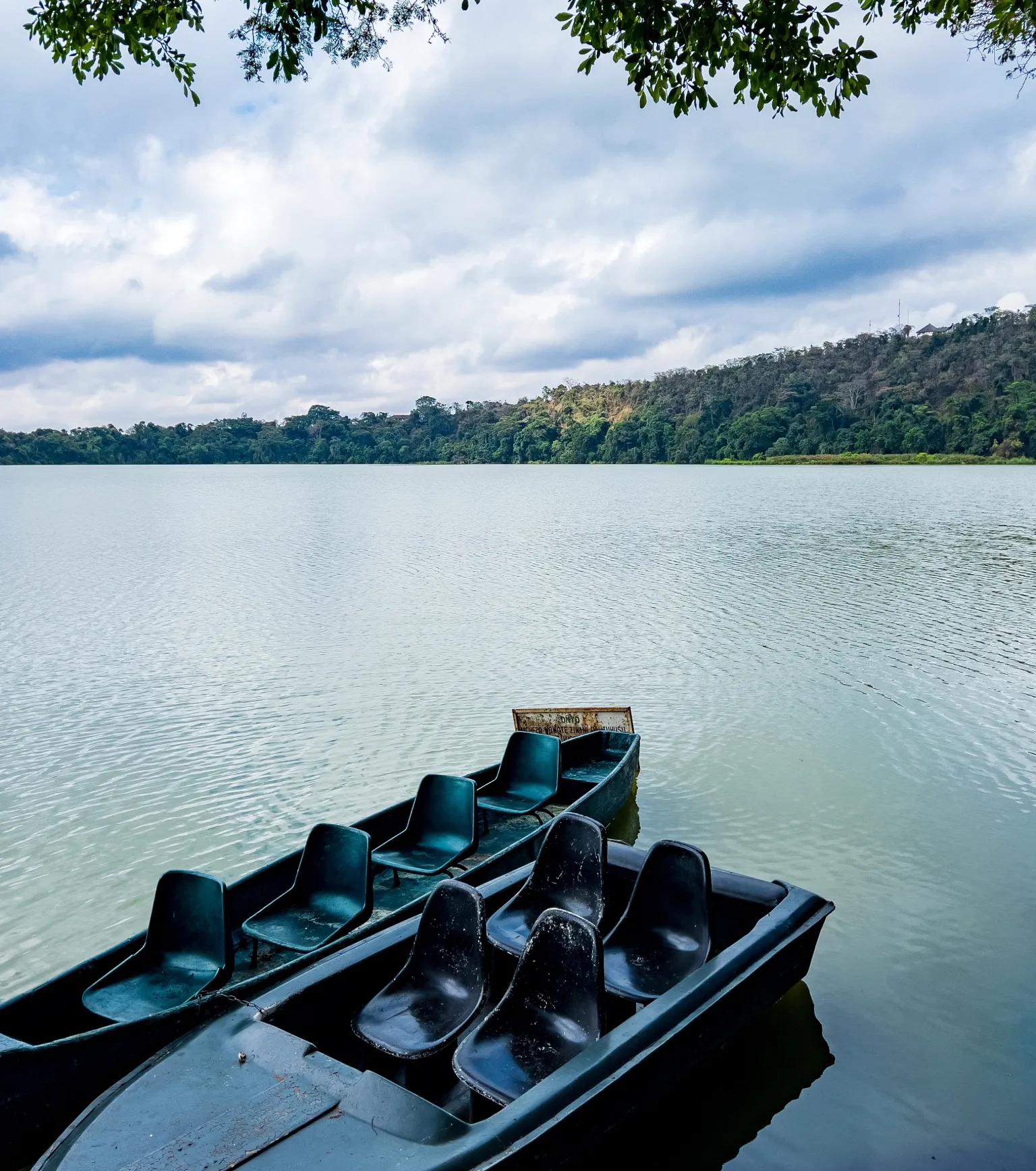
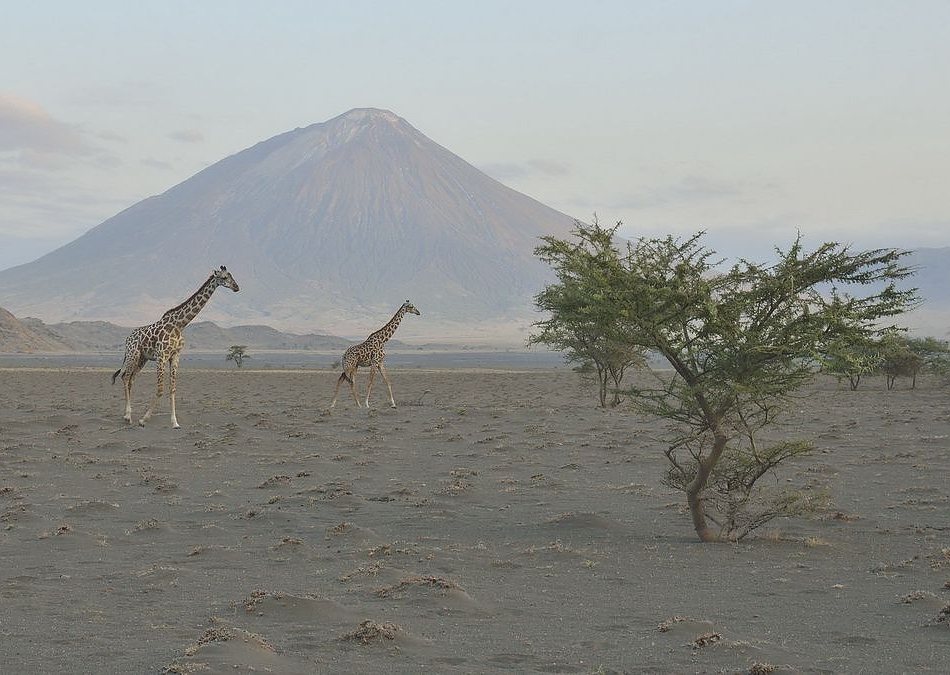
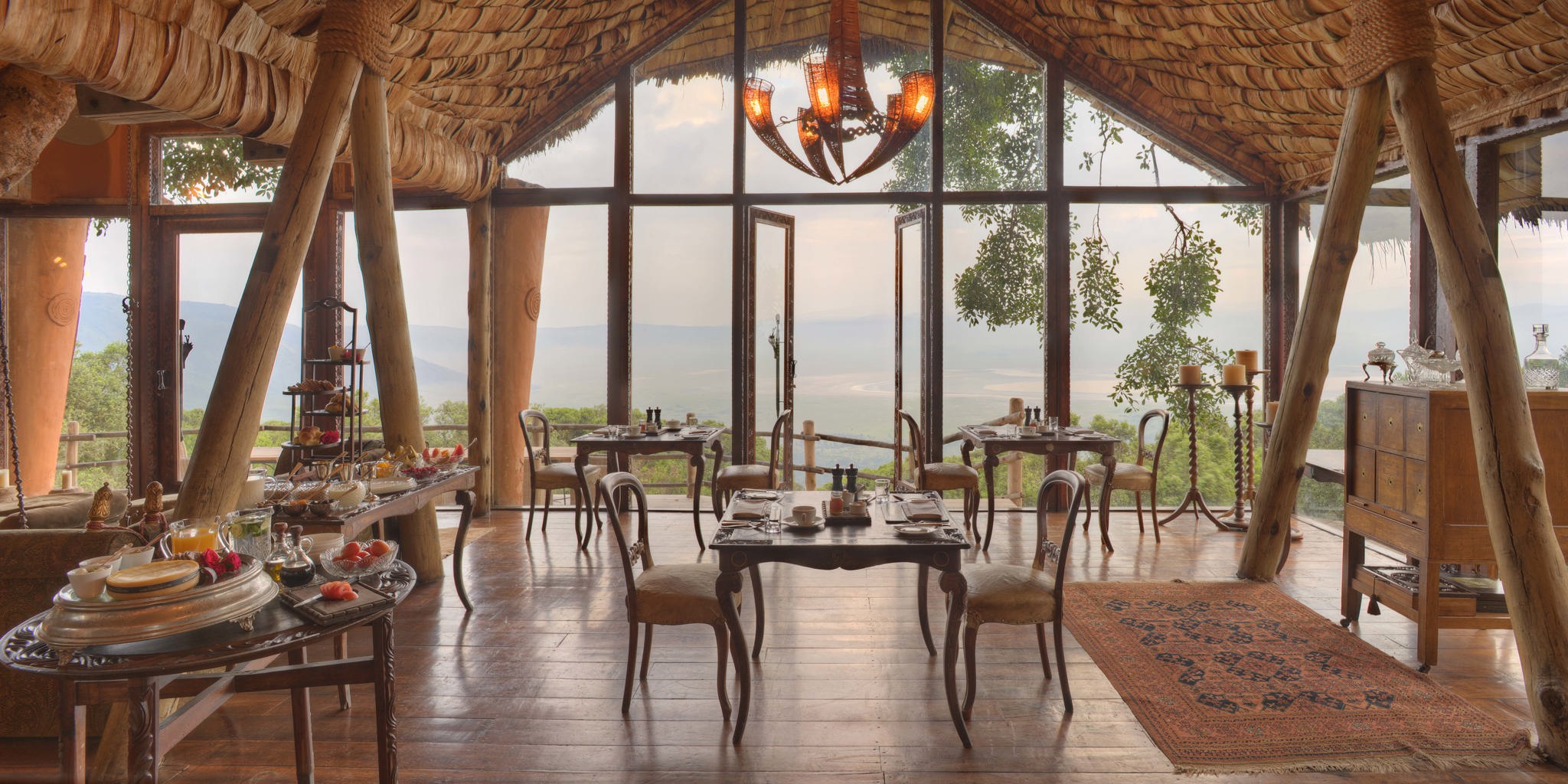
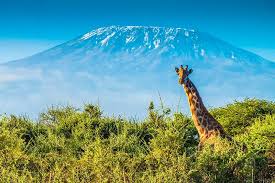
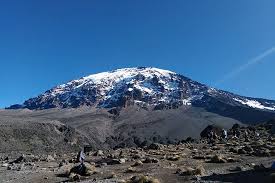
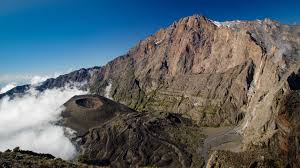
Our customized Tanzania safari packages take you to witness the world-famous Great Wildebeest Migration in the Serengeti, explore the Ngorongoro Crater (Africa's Garden of Eden), summit Mount Kilimanjaro (Africa's highest peak), and relax on Zanzibar's pristine beaches. Tanzania offers Africa's most iconic wildlife and adventure experiences.
Tanzania covers approximately 947,300 square kilometers in East Africa, bordered by Kenya, Uganda, Rwanda, Burundi, Democratic Republic of Congo, Zambia, Malawi, and Mozambique. The country boasts Africa's highest peak (Mount Kilimanjaro at 5,895m), deepest lake (Lake Tanganyika), and largest game reserve (Selous).
Dodoma is the official capital, while Dar es Salaam remains the commercial hub. Tanzania's tourism infrastructure is well-developed, offering accommodations ranging from luxury tented camps and lodges to budget-friendly options and beach resorts, catering to all types of travelers seeking authentic African experiences.
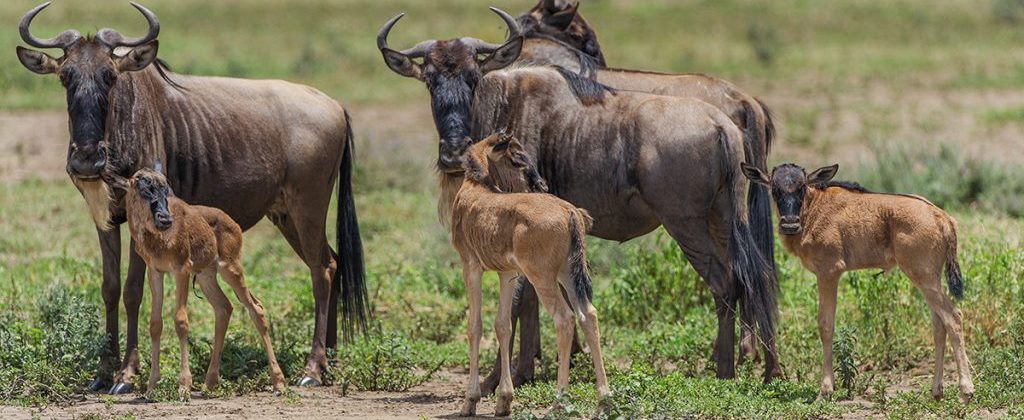
Tanzania is home to Africa's most famous national parks and natural wonders. The Serengeti National Park hosts the Great Wildebeest Migration, where over 1.5 million wildebeest, zebras, and gazelles follow the rains in an annual cycle of survival. This spectacle, often called "The Greatest Show on Earth," offers unparalleled wildlife viewing opportunities.
The Ngorongoro Conservation Area contains the world's largest intact volcanic caldera, hosting approximately 25,000 large animals including all of Africa's Big Five. Often described as "Africa's Eden" or "The Eighth Wonder of the World," Ngorongoro Crater provides some of the most concentrated wildlife viewing on the continent.
Mount Kilimanjaro, Africa's highest mountain and the world's tallest free-standing mountain, attracts climbers from around the globe. The island of Zanzibar, with its rich Swahili culture, spice plantations, and pristine beaches, offers the perfect complement to a Tanzanian safari.
A UNESCO World Heritage Site covering 14,750 km², famous for the annual Great Wildebeest Migration. The park hosts over 1.5 million wildebeest, 500,000 gazelles, 250,000 zebras, and thousands of predators. The Serengeti ecosystem is one of the oldest on Earth, with fossils showing similar patterns of life existing for over a million years.
Home to the Ngorongoro Crater, the world's largest inactive, intact, and unfilled volcanic caldera. The crater floor covers 260 km² and hosts approximately 25,000 large animals including lions, elephants, black rhinos, and large herds of wildebeest and zebras. The area also contains Olduvai Gorge, an important paleoanthropological site.
Known for its large elephant herds (the highest density in Tanzania), ancient baobab trees, and diverse birdlife. During the dry season (June-October), the Tarangire River attracts thousands of animals, creating excellent wildlife viewing. The park covers 2,850 km² and hosts over 550 bird species.
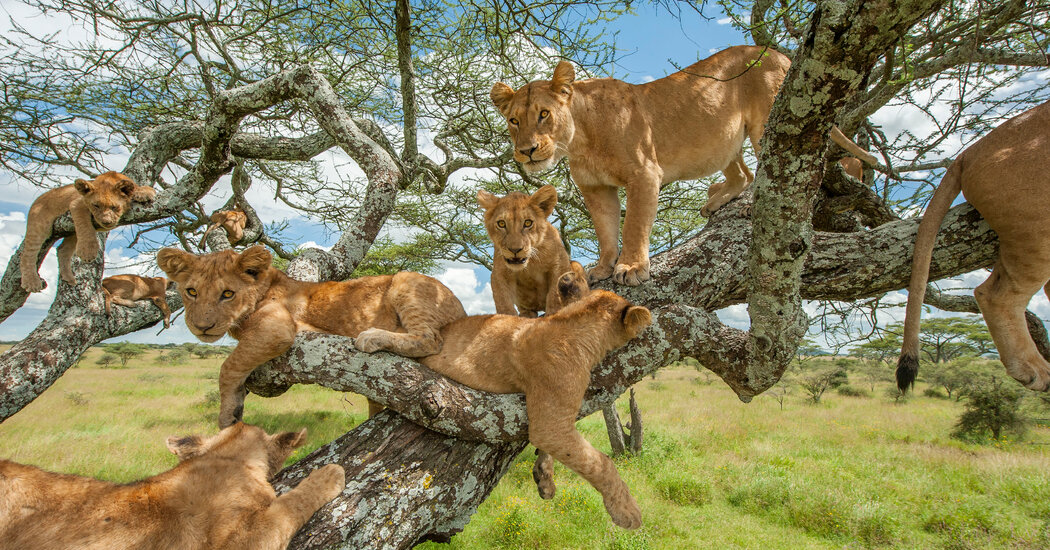
Famous for its tree-climbing lions, alkaline lake that hosts thousands of flamingos, and diverse ecosystems within a small area (330 km²). The park ranges from the Rift Valley escarpment to the lake shore, hosting elephants, hippos, giraffes, and over 400 bird species.
Africa's largest game reserve (50,000 km²) and a UNESCO World Heritage Site. Selous offers diverse activities including game drives, boat safaris on the Rufiji River, and walking safaris. The reserve is known for its large populations of elephants, wild dogs, black rhinos, and over 440 bird species.
Tanzania's largest national park (20,226 km²), known for its rugged wilderness, large elephant herds (about 10% of Africa's population), and diverse landscapes. Ruaha hosts over 570 bird species and 10% of Africa's lion population, offering a remote and exclusive safari experience.
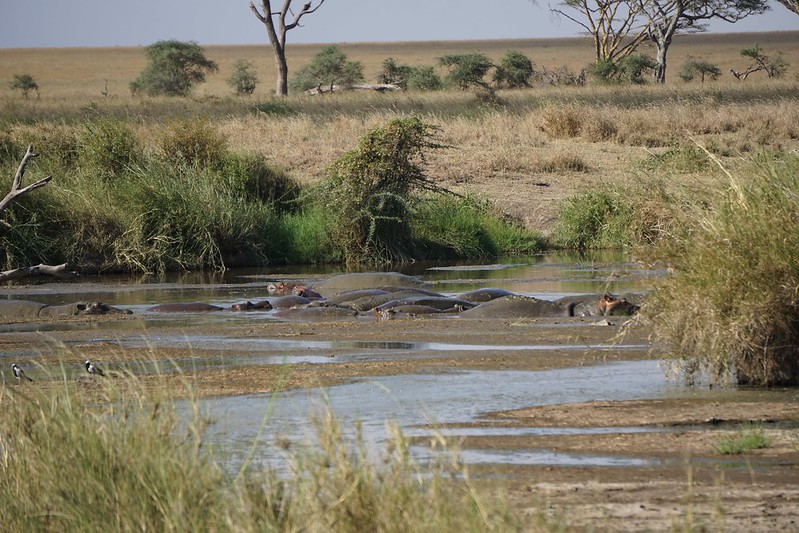
Tanzania's third largest park (4,471 km²) and one of Africa's most remote wilderness areas. Katavi is known for massive hippo and crocodile populations during the dry season, large herds of buffalo and elephants, and authentic wilderness experiences with few visitors.
Located on the shores of Lake Tanganyika, Mahale is famous for its chimpanzee populations. The park can only be accessed by boat or small aircraft, offering an exclusive primate tracking experience in a stunning lakeside setting with forested mountains.
Kilimanjaro offers several routes to the summit (Uhuru Peak at 5,895m/19,341ft):
The most popular route, known as the "Whiskey Route" for its challenging but scenic ascent. Higher success rate due to better acclimatization profile.
Known as the "Coca-Cola Route" for hut accommodations. The only route with sleeping huts. Shorter duration but lower success rate.
The most scenic route starting from the western side. Excellent acclimatization profile with highest success rates. Remote and beautiful.
Approaches from the north near the Kenyan border. Drier climate and less crowded. Good for those seeking a more remote experience.
The newest and longest route with the highest success rate. Circles the northern slopes with excellent acclimatization.
The shortest and steepest route for experienced climbers only. Challenging with lower success rates but very direct.
The Zanzibar Archipelago consists of numerous islands, with Unguja (commonly called Zanzibar) and Pemba being the main islands:
A UNESCO World Heritage Site with narrow winding streets, historic buildings, and rich Swahili culture. Key sites include the House of Wonders, former slave market, and Sultan's Palace.
Zanzibar was once the world's largest producer of cloves. Spice tours offer opportunities to see, smell, and taste various spices including cloves, cinnamon, nutmeg, and vanilla.
Zanzibar offers some of Africa's best beaches with white sand and turquoise waters. Popular areas include Nungwi, Kendwa, Paje (for kitesurfing), and Jambiani.
Excellent snorkeling and diving opportunities, particularly around Mnemba Atoll. Dolphin tours in Kizimkazi and traditional dhow sailing trips are also popular.
Tanzania's cultural diversity includes over 120 ethnic groups, with the Maasai being the most internationally recognized:
Semi-nomadic pastoralists known for their distinctive dress, jewelry, and jumping dances. Cultural visits to Maasai villages offer insights into their traditional lifestyle.
The coastal Swahili culture blends African, Arab, Persian, and Indian influences. Zanzibar is the heart of Swahili culture with its architecture, cuisine, and language.
Tingatinga painting style (bright, colorful depictions of animals), Makonde wood carvings, and Maasai beadwork are distinctive Tanzanian crafts.
Tanzania has been at the forefront of African conservation:
Significant reduction in elephant poaching since 2015, with elephant populations stabilizing in many parks.
Successful community-based conservation projects like the Burunge Wildlife Management Areas that benefit local communities.
Intensive protection of the critically endangered black rhino population in Ngorongoro Crater and Serengeti.
High park fees (for non-residents) directly fund conservation efforts and park management.
Gombe Stream National Park continues Jane Goodall's pioneering chimpanzee research since 1960.
Tanzania offers Africa's most iconic safari experiences: witnessing the Great Wildebeest Migration in the Serengeti, descending into the wildlife-rich Ngorongoro Crater, summiting Mount Kilimanjaro, and relaxing on Zanzibar's pristine beaches. With diverse landscapes, abundant wildlife, and rich cultures, Tanzania delivers the complete African experience.
The country's well-established tourism infrastructure, political stability, and English as a second language make it accessible to international travelers. From budget camping safaris to luxury lodge experiences, Tanzania offers options for every traveler seeking authentic African adventures in the land of safari legends.
Whether you're watching millions of wildebeest cross the Mara River, spotting the Big Five in Ngorongoro Crater, standing on the roof of Africa at Kilimanjaro's summit, or exploring the spice-scented streets of Stone Town, Tanzania creates memories that last a lifetime.