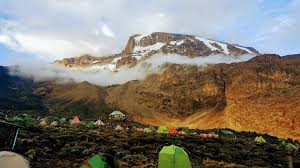
Conquer Africa's Roof via the Scenic "Whiskey" Route
The 7-day Machame Route is the most popular path to the summit of Mount Kilimanjaro, Africa's highest peak at 5,895 meters (19,341 feet). Known as the "Whiskey Route" for its challenging yet rewarding nature, this scenic path offers diverse landscapes, excellent acclimatization profile, and high success rates. Over seven days, you'll traverse through five distinct climatic zones, from lush rainforest to arctic summit, with experienced guides, porters, and comprehensive support to ensure your safe and successful summit attempt.
Climb Highlights:
- High Success Rate: 7-day itinerary provides excellent acclimatization
- Scenic Diversity: Pass through 5 distinct climatic zones Expert Support: Experienced guides, porters, and cooks
- Comprehensive Service: All camping equipment, meals, and park fees included
- Safety Focus: Regular health checks, oxygen, and emergency equipment
- Summit Sunrise: Reach Uhuru Peak for sunrise over Africa
- Certification: Official Kilimanjaro summit certificate
- Group Camaraderie: Shared challenge creates lasting bonds
- Conservation Contribution: Park fees support Kilimanjaro conservation
- Cultural Experience: Interaction with local Chagga guides and porters
Detailed Climbing Itinerary
DAY 1: ARRIVAL & PREPARATION IN MOSHI
Airport Arrival: Collection from Kilimanjaro International Airport (JRO).
Transfer to Moshi: Short drive to Moshi town at the base of Kilimanjaro.
Hotel Check-in: Arrive at your pre-climb hotel.
Gear Check: Comprehensive equipment check with your guide.
Briefing Session: Detailed climb briefing covering:
- Route Overview: Day-by-day explanation of the Machame Route
- Safety Protocols: Altitude sickness prevention and treatment
- Pole Pole Philosophy: Importance of "slowly slowly" pace
- Team Introduction: Meet your lead guide and learn about crew roles
- Equipment Review: Final check of personal gear
Rental Equipment: Arrange any necessary gear rentals.
Pre-climb Dinner: Group dinner at hotel.
Final Packing: Pack duffel bags for porters (15kg limit).
Early Night: Rest well before tomorrow's early start.
DAY 2: MACHAME GATE TO MACHAME CAMP
Early Breakfast (7:00 AM): Hearty breakfast at hotel.
Drive to Machame Gate (8:00 AM): 1-hour drive to Kilimanjaro National Park gate.
Registration (9:30 AM): Complete park formalities at Machame Gate (1,800m).
Meet Climbing Crew: Introduction to entire team of guides, porters, and cooks.
Start Trekking (10:30 AM): Begin ascent through lush rainforest zone.
Rainforest Trek: 5-7 hour hike through dense montane forest:
- Vegetation: Giant ferns, ancient trees, moss-covered surfaces
- Wildlife: Blue monkeys, colobus monkeys, various bird species
- Pace: "Pole pole" (slowly slowly) to begin acclimatization
- Lunch: Picnic lunch on trail
Arrive Machame Camp (4:00-5:00 PM): Reach first camp at 2,980m.
Camp Setup: Tents already erected by porter team.
Tea/Coffee Service: Hot drinks served upon arrival.
Dinner in Mess Tent (6:30 PM): First camp dinner.
Evening Briefing: Guide discusses next day's plan.
First Night on Mountain: Acclimatize to camping at altitude.
DAY 3: MACHAME CAMP TO SHIRA CAMP
Wake-up (6:30 AM): Morning wake-up with tea/coffee brought to tent.
Health Check: Morning pulse and oxygen saturation check.
Breakfast (7:00 AM): Hearty breakfast in mess tent.
Start Trekking (8:00 AM): Depart Machame Camp.
Leave Rainforest: Emerge from forest into heather-moorland zone.
Scenic Ascent: Hike through increasingly rocky terrain with views of Kibo peak.
Lunch on Trail (12:00 PM): Picnic lunch with views.
Afternoon Trek: Continue to Shira Plateau.
Arrive Shira Camp (2:00-3:00 PM): Reach camp on Shira Plateau at 3,840m.
Acclimatization Hike (Optional): Short hike to higher elevation then back to camp.
Tea Time (4:00 PM): Hot drinks and snacks.
Dinner (6:30 PM): Evening meal in mess tent.
Evening Briefing: Discuss altitude symptoms and next day's challenging route.
Stargazing: Clear skies at this altitude offer incredible star views.
DAY 4: SHIRA CAMP TO BARRANCO CAMP VIA LAVA TOWER
Early Start (7:30 AM): Breakfast and health check.
Challenging Day: "Climb high, sleep low" for optimal acclimatization.
Morning Ascent: Steep climb toward Lava Tower (4,630m).
Alpine Desert Zone: Enter stark, beautiful alpine desert landscape.
Lunch at Lava Tower (12:30 PM): Lunch at 4,630m - important altitude exposure.
Afternoon Descent: Descend to Barranco Camp - crucial for acclimatization.
Barranco Valley: Spectacular descent into scenic valley.
Arrive Barranco Camp (3:00-4:00 PM): Reach camp at 3,960m with views of Barranco Wall.
Tea Time (4:30 PM): Recovery drinks and snacks.
Dinner (6:30 PM): Important carbohydrate-loaded meal.
Barranco Wall Briefing: Guide explains tomorrow's challenging but fun scramble.
Rest: Important rest before Barranco Wall tomorrow.
DAY 5: BARRANCO CAMP TO KARANGA CAMP
Breakfast (7:30 AM): Early breakfast and health check.
Barranco Wall (8:30 AM): Begin famous Barranco Wall scramble.
Scrambling Section: 1.5-2 hour scramble up rock face (hands required in places).
Spectacular Views: Incredible views of glaciers and southern ice fields.
Summit of Wall (10:30 AM): Reach top of Barranco Wall.
Easier Terrain: Gradual ascent across alpine desert.
Lunch on Trail (12:30 PM): Picnic lunch with views.
Arrive Karanga Camp (1:30-2:30 PM): Reach camp at 4,035m.
Afternoon Rest: Important rest day before summit push.
Acclimatization (Optional): Short hike to higher elevation then back.
Early Dinner (5:30 PM): Early carbohydrate-loaded dinner.
Summit Briefing (6:30 PM): Detailed summit night briefing.
Early to Bed (7:00 PM): Attempt to sleep before midnight wake-up.
Final Packing: Prepare summit day pack and layers.
DAY 6: KARANGA CAMP TO BARAFU CAMP TO SUMMIT TO MWEKA CAMP
Breakfast (7:30 AM): Breakfast and health check at Karanga.
Morning Trek (8:30 AM): Trek to Barafu Camp (4,673m).
Arrive Barafu (12:00 PM): Reach high camp.
Lunch (12:30 PM): Early lunch at Barafu.
Afternoon Rest (1:00-10:00 PM): Critical rest period - try to sleep.
Early Dinner (5:30 PM): Light dinner.
Final Summit Preparation (10:00 PM): Wake-up, dress in summit layers.
Final Health Check (10:30 PM): Pre-summit health assessment.
Begin Summit Attempt (11:00 PM): Start ascent under stars.
Night Ascent: 6-8 hour climb in darkness with headlamps.
Stella Point (5:30-6:30 AM): Reach crater rim at 5,745m for sunrise.
Sunrise on Crater Rim: Spectacular sunrise over Africa.
Final Ascent to Uhuru Peak (7:00-8:00 AM): 1-1.5 hour along crater rim to summit.
SUMMIT ACHIEVED! (8:00-9:00 AM): Reach Uhuru Peak - 5,895m!
Celebration & Photos: Limited time at summit due to altitude.
Descent to Barafu (9:30 AM-12:00 PM): Return to Barafu Camp.
Short Rest (12:00-1:00 PM): Brief rest at Barafu.
Continue Descent (1:00 PM): Descend to Mweka Camp.
Arrive Mweka Camp (4:00-5:00 PM): Reach lower camp exhausted but elated.
Celebration Dinner: Special summit celebration dinner.
Deep Sleep: Well-earned rest after 14-16 hour day.
DAY 7: MWEKA CAMP TO MWEKA GATE TO MOSHI
Final Mountain Breakfast (7:30 AM): Last breakfast on Kilimanjaro.
Farewell to Mountain Crew: Tip ceremony and thanks to guides and porters.
Start Descent (8:30 AM): Final descent through rainforest.
Rainforest Trek: Enjoy descending through lush forest.
Arrive Mweka Gate (11:30 AM-12:30 PM): Reach park gate.
Summit Certificates: Receive official Kilimanjaro certificates.
Transfer to Moshi (1:00 PM): Drive back to Moshi.
Hotel Check-in (2:00 PM): Return to hotel.
Hot Shower & Celebration: First proper shower in a week!
Celebration Lunch/Dinner: Group celebration meal.
Optional Activities: Relax at hotel or explore Moshi.
Departure Next Day: Airport transfer for flights home.
Extension Options: Safari, Zanzibar beach, or additional rest in Moshi.
Why Choose the Machame Route?
The 7-day Machame Route follows the "climb high, sleep low" principle perfectly, with Day 4 ascending to 4,630m at Lava Tower then descending to sleep at 3,960m. This significantly improves acclimatization and increases summit success rates compared to shorter routes. The extra day makes a crucial difference in how your body adapts to altitude.
Machame offers the most scenic variety of all Kilimanjaro routes. You'll experience: lush rainforest with monkeys, heather-moorland with giant groundsels, alpine desert with surreal landscapes, and the spectacular Barranco Wall scramble. The route approaches from the south with excellent views of the southern ice fields and glaciers.
With an average 85% success rate, the 7-day Machame offers one of the highest probabilities of reaching Uhuru Peak. The combination of good acclimatization, experienced guides, and comprehensive support makes this the preferred choice for serious climbers. The route is challenging but not technical, making it accessible to fit individuals with proper preparation.
During your Machame Route climb, you'll pass through five distinct ecological zones:
Farmlands and villages at Kilimanjaro's base
Lush montane forest with high biodiversity
Giant heathers, lobelias, and groundsels
Harsh, dry landscape with minimal vegetation
Glaciers, ice, and extreme cold at summit
Altitude Acclimatization & Safety
Pole Pole: "Slowly slowly" is the Kilimanjaro mantra - never rush. Hydration: Drink 4-5 liters of water daily to aid acclimatization. Climb High, Sleep Low: Machame's itinerary is designed for optimal acclimatization. Listen to Your Body: Report any symptoms to guides immediately. Diamox: Consider acetazolamide after consulting your doctor.
Layering System: Multiple thin layers rather than few thick ones. Hand & Foot Warmers: Essential for extreme cold at summit. Hydration: Use insulated water bottles to prevent freezing. Mental Preparation: Summit night is more mental than physical. One Step at a Time: Focus on small goals rather than the entire climb.
Daily Checks: Guides conduct morning and evening health checks. Symptoms to Report: Headache, nausea, dizziness, loss of appetite. AMS Awareness: Understand symptoms of Acute Mountain Sickness. Emergency Protocols: Guides carry oxygen and medical kits. Descent Policy: Safety first - guides may require descent if health deteriorates.
Essential Climbing Gear & Equipment
Waterproof, well-broken-in boots with ankle support
Base layers, insulation, waterproof shell for all conditions
Insulated waterproof gloves and liner gloves
Essential for summit night extreme cold
UV protection at high altitude, goggles for summit wind
30-40L daypack, 90L duffel for porter carry (15kg limit)
3L hydration bladder or water bottles, insulated for summit
With extra batteries for summit night
What's Included in Your Climb:
- Park Fees: All Kilimanjaro National Park fees and taxes
- Camping Equipment: Quality tents, sleeping mats, mess tent, toilet tent
- Meals: Three nutritious meals daily plus snacks
- Guide & Porter Team: Experienced guides, assistant guides, cooks, porters
- Safety Equipment: First aid kits, oxygen, pulse oximeters
- Transfers: Airport transfers and transport to/from park gates
- Accommodation: 2 nights hotel in Moshi (before and after climb)
- Certification: Official Kilimanjaro summit certificate
Kilimanjaro is a strenuous high-altitude trek requiring good physical fitness. Recommended preparation includes: 3-6 months of regular cardio exercise (hiking, running, cycling); weekend hikes with elevation gain carrying a pack; strength training for legs and core; and practicing hiking in the boots you'll use on the climb. While technical climbing skills aren't required, endurance and mental fortitude are essential. The average trekker covers 50+ kilometers over 7 days with significant elevation change. Those with pre-existing medical conditions should consult their doctor before attempting the climb.
Essential Tips for Your Kilimanjaro Climb
Cardio Base: Build to 4-5 hours of continuous cardio. Hill Training: Include elevation gain in your training (500m+). Back-to-Back Days: Train on consecutive days to simulate climb. Boot Break-in: Wear your hiking boots for at least 50km before climb. Mental Prep: Research, watch documentaries, visualize success.
Layering System: Moisture-wicking base, insulating mid, waterproof outer. Summit Layer: Separate summit clothes kept dry until needed. Organization: Pack items in waterproof bags within your duffel. Weight Limit: Respect 15kg porter weight limit. Essential Accessories: Trekking poles, sleeping bag liner, camera, power bank.
Hydration: Drink constantly, even when not thirsty. Nutrition: Eat regularly even if appetite decreases at altitude. Pace: Never rush - let guides set the pace. Rest: Sleep whenever possible, especially before summit night. Foot Care: Change socks daily, treat hot spots immediately.
Travel Insurance: Must include emergency medical evacuation. Vaccinations: Consult travel clinic for recommended vaccinations. Medications: Bring personal medications and discuss altitude meds with doctor. Dental Check: Dental issues can worsen at altitude. Honesty: Always be honest with guides about how you're feeling.
Best Time to Climb Kilimanjaro:
- Best Conditions (January-March & June-October): Dry seasons with best weather
- Shoulder Seasons (April-May & November): Fewer climbers, potentially wetter January-February: Warmest months, clear skies, busiest
- June-September: Cooler, driest conditions, also very popular
- April-May & November: Rainy seasons, fewer crowds, challenging conditions
- December: Short rains ending, Christmas period busy
- Avoid: Heavy rain periods (April-May long rains)
Our Kilimanjaro climbs stand out through: experienced guides with 10+ years average experience; high guide-to-client ratios (1:2 on summit night); quality equipment including 4-season sleeping bags; comprehensive safety protocols with daily health checks; nutritious meals prepared by professional mountain cooks; fair treatment and wages for porters following KPAP guidelines; small group sizes for personalized attention; and post-climb celebration and certification. We maintain one of the highest success rates on the mountain through careful preparation, experienced guiding, and commitment to client safety and satisfaction.
Ready to Conquer Africa's Highest Peak?
Take on the challenge of a lifetime with our expert-guided 7-day Machame Route climb. Experience the achievement of standing on the Roof of Africa.
Book Your Kilimanjaro Climb NowContact our Kilimanjaro specialists for fitness assessments, training plans, and climb preparation advice.