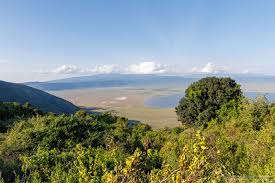
The World's Largest Intact Volcanic Caldera
Embark on a 3-day wildlife adventure to Tanzania's Ngorongoro Crater, a UNESCO World Heritage Site and one of Africa's most spectacular natural wonders. This collapsed volcano forms a perfect natural enclosure that's home to an incredible density of wildlife, including all of Africa's "Big Five." This compact safari offers unparalleled game viewing in one of the most beautiful settings on Earth, with the crater's steep walls creating a breathtaking backdrop for your wildlife encounters.
Safari Highlights:
- Big Five Viewing: Excellent chance to see lion, leopard, elephant, buffalo, and rhino
- Crater Descent: Spectacular drive down into the crater floor (2,200m to 1,800m)
- High Density Wildlife: Approximately 25,000 large animals in 260 km² area
- Birdwatching Paradise: Over 500 bird species recorded in the crater
- Maasai Culture: Opportunity to visit Maasai villages (optional)
- Scenic Beauty: Breathtaking views from crater rim lodges
- Photography: Outstanding wildlife and landscape photography opportunities
- Conservation Success: Visit a model of human-wildlife coexistence
Detailed Safari Itinerary
DAY 1: ARUSHA/MOSHI TO NGORONGORO CONSERVATION AREA
Morning Pickup: Collection from your hotel in Arusha or Moshi, or from Kilimanjaro Airport.
Scenic Drive: Journey through the Tanzanian countryside with views of Mount Meru and Mount Kilimanjaro (weather permitting).
Cultural Stop: Visit a local market or cultural center en route (optional).
Lunch en route: Stop at a restaurant with views of the Great Rift Valley.
Enter Conservation Area: Pass through the Ngorongoro Conservation Area gate.
Crater Rim Arrival: Reach the crater rim with your first breathtaking view into the caldera.
Lodge Check-in: Arrive at your crater rim lodge with panoramic views.
Afternoon Relaxation: Time to enjoy lodge facilities and soak in the incredible views.
Crater Briefing: Detailed briefing about tomorrow's crater descent - what to expect, rules, and wildlife viewing tips.
Sunset Viewing: Watch the sunset over the crater from the rim.
Welcome Dinner: Dinner at the lodge with opportunity to ask questions about the safari.
DAY 2: FULL DAY NGORONGORO CRATER SAFARI
Early Breakfast: Hearty breakfast at the lodge with early morning crater views.
Crater Descent: Begin the spectacular drive down the steep crater walls into the caldera.
Morning Game Drive: Explore the crater floor in search of wildlife during the best viewing hours.
Big Five Focus: Search for lion, leopard, elephant, buffalo, and the endangered black rhino.
Lerai Forest: Visit this woodland area known for elephants and leopards.
Lunch at Ngoitokitok Springs: Picnic lunch at this scenic spot with hippos and birdlife.
Afternoon Game Drive: Continue exploration of different crater habitats:
- Lake Magadi: Flamingo-filled alkaline lake
- Gorigor Swamp: Hippo pools and waterbirds
- Open Plains: Wildebeest, zebra, and gazelle herds
- Munge River: Elephant drinking spot
Photography Stops: Multiple opportunities for wildlife and landscape photography.
Crater Ascent: Late afternoon drive back up to the crater rim.
Return to Lodge: Transfer back to your lodge for relaxation.
Sundowner: Enjoy drinks while recounting the day's sightings.
Celebration Dinner: Special dinner to celebrate your crater safari experience.
Slide Show: Some lodges offer evening presentations about the crater's ecology.
DAY 3: OPTIONAL ACTIVITIES & DEPARTURE
Leisurely Breakfast: Breakfast at the lodge with final crater views.
Optional Morning Activities: Depending on departure time:
- Crater Rim Walk: Guided nature walk along the crater rim (with armed ranger)
- Maasai Village Visit: Cultural visit to a local Maasai boma (extra cost)
- Birdwatching Walk: Guided birdwatching around the lodge area
- Visit to Olduvai Gorge: Optional stop at the "Cradle of Mankind" (extra cost, requires extra time)
Check-out: Depart from your lodge.
Return Journey: Scenic drive back to Arusha or Moshi.
Lunch en route: Stop for lunch at a restaurant with beautiful views.
Arusha/Moshi Arrival: Arrive by mid-afternoon.
Final Options:
- Transfer to Kilimanjaro Airport for departure
- Drop-off at your Arusha/Moshi hotel if extending your stay
- Visit to Arusha Cultural Heritage Centre if time permits
Farewell: Bid farewell to your guide and driver.
Extension Suggestions: Combine with Serengeti National Park, Tarangire National Park, or Lake Manyara National Park for a complete Tanzania safari experience.
Why Choose Ngorongoro Crater for Safari?
The Ngorongoro Crater has one of the highest densities of large mammals in Africa. The enclosed ecosystem supports approximately 25,000 animals including all of the Big Five, making it one of the best places in Africa for wildlife viewing.
As the world's largest intact volcanic caldera, Ngorongoro creates a self-contained ecosystem with its own weather patterns. The crater floor contains diverse habitats including grassland, swamps, forests, and a soda lake, supporting an incredible variety of species.
The Ngorongoro Conservation Area is a pioneering example of multiple land use where wildlife, Maasai pastoralists, and tourism coexist. This model has been studied and replicated in conservation areas worldwide.
Unlike vast parks like the Serengeti, the Ngorongoro Crater's compact size (260 km²) means less time driving and more time observing wildlife. The crater can be thoroughly explored in a single day, making it perfect for shorter safaris.
The crater has one of Africa's densest lion populations, with the famous black-maned males.
Ngorongoro is one of the best places in Tanzania to see the critically endangered black rhino.
Large herds of zebra and wildebeest graze on the crater floor year-round.
Lake Magadi attracts thousands of lesser flamingos, creating a pink spectacle.
The crater is home to some of the largest-tusked elephants in Africa.
Excellent raptor viewing including martial eagles, augur buzzards, and kestrels.
Essential Safari Information
Crater rim can be cool, crater floor warm - dress in layers
Essential for glare reduction on the crater floor
High altitude means stronger UV rays
Telephoto lens (200-400mm ideal) for wildlife
Stay hydrated throughout game drives
Essential for wildlife observation
Personal medications, altitude medication if needed
For crater rim walks and lodge activities
Ngorongoro Crater Rules & Regulations:
- Park Hours: Crater access 6:00 AM - 6:00 PM (vehicles must exit by 6 PM)
- Vehicle Limits: Maximum 5-6 vehicles at any wildlife sighting
- No Off-Road Driving: Strictly stay on designated tracks
- No Walking: No walking on the crater floor except at designated picnic areas
- Speed Limit: Maximum 25 km/h (15 mph) on crater floor
- No Feeding Animals: Strictly prohibited
- Litter: All waste must be carried out - no littering
- Cultural Respect: Respect Maasai communities and their livestock
- Guide Instructions: Always follow your guide's directions for safety
The Ngorongoro Crater rim sits at approximately 2,200 meters (7,200 feet) above sea level. Some visitors may experience mild altitude symptoms. Drink plenty of water, avoid alcohol, and inform your guide if you feel unwell. The descent to the crater floor (1,800m/5,900ft) usually provides relief from altitude symptoms.
Essential Tips for Ngorongoro Safari
Equipment: Bring a telephoto lens (200-400mm ideal) for wildlife. Lighting: Early morning and late afternoon provide best light and animal activity. Crater Walls: Use the crater walls as dramatic backdrop for wildlife shots. Panoramas: Don't forget wide-angle lens for crater landscape panoramas from the rim.
Layering System: Mornings on crater rim can be cold (5-10°C), crater floor warmer (15-25°C). Neutral Colors: Wear greens, browns, khakis - avoid bright colors that disturb animals. Comfort: Loose, comfortable clothing for long periods in safari vehicle. Sun Protection: Wide-brimmed hat, sunglasses, and high SPF sunscreen essential.
Early Start: Enter crater as early as possible (6 AM) for best wildlife activity. Patience: Spend quality time at sightings rather than rushing between them. Habitat Variety: Visit different habitats (forest, swamp, lake, plains) for different species. Guide Knowledge: Listen to your guide - they know animal movements and behaviors.
Yellow Fever: Vaccination certificate required for entry to Tanzania. Malaria: Prophylaxis recommended for Tanzania (lower risk at high altitude but still advised). Travel Insurance: Must include medical evacuation coverage. Altitude Awareness: Drink plenty of water, go slow, inform guide of any symptoms.
Best Time for Ngorongoro Safari:
- Dry Season (Best): June-October - easier wildlife viewing, animals gather around water
- Green Season (Consider): November-May - beautiful landscapes, migratory birds, fewer tourists
- Calving Season: January-February - wildebeest calving on crater floor
- Flamingo Season: November-May - best time for flamingo viewing at Lake Magadi
- Year-Round: Ngorongoro offers excellent wildlife viewing year-round
Park Fees: Ngorongoro Conservation Area fees are approximately $70 per person per day (2024). Vehicle Fees: Additional vehicle entry fees apply. Crater Service Fee: Special fee for descending into the crater. Inclusions: Most safari packages include all conservation fees in the price.
Ready for Your Crater Adventure?
Experience Africa's most concentrated wildlife viewing in one of the world's most spectacular natural settings. Book your Ngorongoro Crater safari today!
Book This Crater SafariContact our Tanzania specialists for the best time to visit and combination safari options.