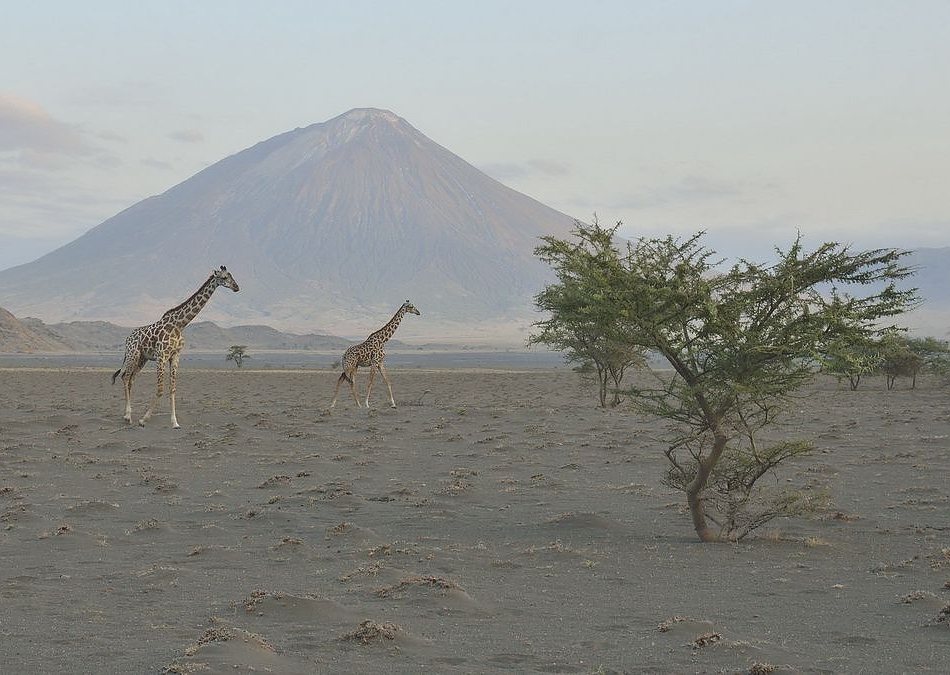
Walk with the Maasai in the Shadow of the Crater
Experience the authentic heart of Tanzania on this 5-day walking safari through the Ngorongoro Highlands. Unlike traditional vehicle-based safaris, this immersive journey takes you on foot through Maasai lands, offering intimate cultural interactions and a slower, more meaningful exploration of this spectacular landscape. Walk with Maasai guides, stay in community-run camps, and experience the daily rhythms of life in the highlands surrounding the world-famous Ngorongoro Crater. This is a true adventure for those who want to connect deeply with both the land and its people.
Safari Highlights:
- Multi-day Walking Safari: 5 days of walking through spectacular highland scenery
- Maasai Cultural Immersion: Walk with Maasai guides, visit villages, experience daily life Community Benefits: Direct support to Maasai communities through community-run camps
- Ngorongoro Views: Spectacular views of the crater and surrounding highlands
- Wildlife Encounters: See wildlife on foot (with safety protocols)
- Traditional Camps: Stay in simple, authentic camps with stunning locations
- Sustainable Tourism: Low-impact travel that benefits local communities
- Photography: Unique cultural and landscape photography opportunities
- Crater Visit: Optional vehicle descent into Ngorongoro Crater (extra cost)
Detailed Walking Safari Itinerary
DAY 1: ARUSHA TO NGORONGORO HIGHLANDS - FIRST WALK
Morning Pickup (7:00 AM): Collection from your hotel in Arusha or from Kilimanjaro Airport.
Scenic Drive: Journey to the Ngorongoro Conservation Area through Maasai lands.
Ngorongoro Gate: Arrive at Ngorongoro Conservation Area gate for registration.
Meet Your Team: Introduction to Maasai guides, cook, and porters.
Walking Safari Briefing: Detailed safety briefing and introduction to walking protocols.
Start Walking (11:00 AM): Begin your first walk through the highlands:
- Altitude Acclimatization: Gentle walk to acclimatize to 2,000m+ altitude
- Maasai Guide Introduction: Learn about plants, animals, and Maasai culture
- Scenic Views: First views of the highlands and distant crater rim
- Wildlife Awareness: Learn to read animal signs and tracks
Lunch en route: Picnic lunch at a scenic viewpoint.
Afternoon Walk: Continue walking to first camp location.
Arrive at Camp (4:00 PM): Reach first community-run camp.
Camp Setup: Settle into your tent and freshen up.
Evening Cultural Interaction: First interactions with local Maasai community.
Sunset Views: Watch sunset over the highlands.
Camp Dinner: Dinner prepared by camp cook.
Evening Briefing: Discuss next day's route and experiences.
First Night in Highlands: Experience the sounds and stars of the African highlands.
DAY 2: HIGHLANDS EXPLORATION & MAASAI VILLAGE VISIT
Sunrise (6:30 AM): Wake to sunrise over the highlands.
Breakfast (7:00 AM): Hearty breakfast before day's walk.
Morning Walk (7:30 AM): Begin walking through different highland habitats:
- Highland Forests: Walk through montane forest areas
- Grassland Plains: Open areas with grazing wildlife
- Stream Crossings: Cross clear highland streams
- Viewpoints: Several stops for panoramic views
Wildlife Encounters: Possible sightings of buffalo, antelope, and various bird species.
Cultural Learning: Maasai guides share knowledge of medicinal plants, tracking, and traditions.
Lunch at Scenic Spot (12:30 PM): Picnic lunch with views.
Afternoon Walk to Village (1:30 PM): Walk to a Maasai village (boma).
Village Arrival (3:00 PM): Arrive at traditional Maasai homestead.
Cultural Exchange: Authentic interaction with Maasai families:
- Homestead Tour: See traditional Maasai houses (manyattas)
- Daily Life: Observe or participate in daily activities
- Craft Demonstration: See beadwork and other crafts
- Cultural Exchange: Ask questions and learn directly from community
Walk to Camp (5:00 PM): Short walk to second camp location.
Camp Arrival (5:30 PM): Settle into camp.
Evening Around Campfire: Share stories and experiences.
Dinner & Discussion: Discuss the day's cultural experiences.
DAY 3: CRATER RIM WALK & SPECTACULAR VIEWS
Early Start (6:00 AM): Early breakfast for full day of walking.
Morning Walk to Crater Rim (6:30 AM): Walk towards Ngorongoro Crater rim:
- Gradual Ascent: Walk up to crater rim (2,200m)
- Changing Vegetation: Observe how plants change with altitude
- Wildlife Corridors: Walk along animal paths to water sources
- Birdwatching: Excellent highland bird species
Crater Rim Arrival (10:30 AM): Reach viewpoint on crater rim.
Spectacular Views: First breathtaking views into Ngorongoro Crater.
Crater Geology Lesson: Guides explain the crater's formation and ecology.
Lunch with a View (12:00 PM): Picnic lunch on crater rim with panoramic views.
Afternoon Walk Along Rim (1:00 PM): Walk along crater rim to different viewpoints.
Photography Opportunities: Multiple stops for crater photography.
Maasai Livestock Herding: Observe Maasai herders with cattle (integral to their culture).
Walk to Camp (3:30 PM): Descend from rim to third camp location.
Camp Arrival (5:00 PM): Arrive at camp with crater views.
Evening Reflection: Discuss the day's experiences and crater significance.
Optional: Short evening walk for sunset photography.
Dinner & Stargazing: Clear highland skies perfect for stargazing.
DAY 4: REMOTE HIGHLANDS & TRADITIONAL LIFE
Leisurely Breakfast (7:30 AM): Breakfast at camp.
Morning Walk to Remote Area (8:30 AM): Walk to less-visited highland area:
- Valley Exploration: Walk through remote valleys
- Water Sources: Visit natural springs important to wildlife and Maasai
- Traditional Practices: See areas used for traditional ceremonies
- Solitude: Experience the peace of remote highlands
Traditional Skills Demonstration: Maasai guides demonstrate traditional skills:
- Fire Making: Traditional methods of making fire
- Tracking: Advanced animal tracking techniques
- Herbal Medicine: Identification of medicinal plants
- Cattle Herding: Traditional herding methods (if cattle encountered)
Lunch in Remote Location (12:30 PM): Picnic lunch in scenic remote spot.
Afternoon Cultural Activities (1:30 PM): Participate in or observe:
- Beadwork: Learn about traditional Maasai beadwork
- Storytelling: Traditional Maasai stories and folklore
- Music & Dance: Traditional songs and possibly dance
- Cultural Exchange: Share stories from your own culture
Walk to Final Camp (4:00 PM): Walk to last camp location.
Camp Arrival (5:30 PM): Arrive at final community camp.
Farewell Evening: Special farewell dinner with Maasai hosts.
Cultural Performance: Traditional Maasai singing and dance (if arranged).
Final Night in Highlands: Reflect on the walking safari experience.
DAY 5: FINAL WALK & OPTIONAL CRATER DESCENT
Final Sunrise Walk (6:00 AM): Optional short sunrise walk for photography.
Breakfast & Pack-up (7:30 AM): Final breakfast and pack personal gear.
Farewell to Camp Team: Thank camp staff and Maasai guides.
Final Walk to Vehicle (8:30 AM): Walk to meeting point with vehicle.
OPTION A: Return to Arusha:
- Vehicle Transfer: Meet vehicle and drive back to Arusha
- Lunch en route: Stop for lunch with Rift Valley views
- Arusha Arrival (3:00 PM): Arrive in Arusha
- Final Options: Airport transfer or hotel drop-off
OPTION B: Ngorongoro Crater Descent (Extra Cost):
- Crater Descent: Vehicle descent into Ngorongoro Crater
- Half-day Game Drive: Wildlife viewing on crater floor
- Picnic Lunch: Lunch at scenic spot in crater
- Crater Ascent: Return to crater rim late afternoon
- Return to Arusha: Drive back to Arusha (arrive evening)
Farewell to Guides: Final thanks and farewell to Maasai guides.
Souvenir Opportunities: Option to purchase authentic Maasai crafts (supporting community).
Return Journey Reflections: Time to reflect on the walking safari experience.
Extension Suggestions: Combine with Serengeti, Tarangire, or Lake Manyara safaris.
Cultural Immersion & Community Benefits
This walking safari facilitates genuine cultural exchange rather than tourist performances. You'll interact with Maasai families in their homes, walk with Maasai guides who share their deep knowledge of the land, and experience daily life rather than staged demonstrations. The pace of walking allows for meaningful conversations and relationship building.
This safari directly benefits Maasai communities through: employment of local guides and camp staff; use of community-run camps; fair payment for village visits; support for community projects; and market for authentic crafts. Your participation helps create sustainable economic alternatives to livestock herding, supporting conservation of the highlands.
Walking safaris have minimal environmental impact compared to vehicle-based tourism. This model demonstrates how tourism can support both conservation and communities. By walking, you experience the landscape intimately while leaving only footprints. The community benefits create local support for protecting the highlands and their cultural heritage.
Walking allows you to experience Africa with all your senses - feeling the terrain underfoot, smelling the plants after rain, hearing birds close-up, and noticing small details missed from vehicles. The slow pace fosters deeper connection with both landscape and people. Walking with Maasai guides offers insights impossible from a vehicle - learning about medicinal plants, reading animal tracks, understanding seasonal patterns, and hearing stories passed through generations. This immersive experience creates memories and understanding far beyond what's possible through a vehicle window.
Walking Safari Safety & Preparation
Guide Instructions: Always follow Maasai guide's directions without question. Group Formation: Walk in single file as instructed by guides. Wildlife Encounters: Guides are armed and trained for wildlife safety. Distance: Maintain safe distance from all wildlife (minimum 50m). No Sudden Movements: Move calmly and predictably around animals.
Altitude Awareness: Most walking at 2,000-2,500m - drink plenty of water. Fitness Level: Requires moderate fitness (4-6 hours walking daily). Training: Light cardio training recommended before safari. Pacing: Walk at comfortable pace - not a race. Foot Care: Break in hiking boots well before safari.
Asking Permission: Always ask before taking photos of people. Dress Modestly: Respect local customs with clothing choices. Gift Giving: Ask guides about appropriate gifts if desired. Listening: Be open to learning rather than judging different ways of life. Participation: Participate respectfully in offered cultural activities.
Essential Walking Safari Information
Well-broken-in, ankle-supporting boots essential for variable terrain
Comfortable daypack for water, camera, rain gear, personal items
Highlands can be cool (5-15°C mornings) warming to 20-25°C days
Quality waterproof jacket and pants (rain can occur any time)
2-3 liters capacity total (water provided for refills)
High altitude means stronger UV rays - protection essential
Lightweight binoculars for wildlife and bird viewing
Consider weight - every gram counts when walking all day
What to Expect in Community Camps:
- Accommodation: Simple but comfortable dome tents with sleeping mats
- Facilities: Basic bush toilets and shower facilities (bucket showers)
- Meals: Nutritious meals prepared by camp cook
- Comfort: Not luxurious but clean and functional
- Community Staff: Camps staffed by local Maasai community members
- Location: Camps in stunning scenic locations
- Atmosphere: Friendly, authentic, immersive experience
- Support: Porters carry main luggage between camps
This safari requires moderate fitness. You should be able to walk 4-6 hours daily over variable terrain at altitudes of 2,000-2,500 meters. The walking pace is moderate with regular breaks. Those with serious health conditions, knee/hip problems, or poor fitness should consider shorter walking options. The altitude, while not extreme, may affect some individuals - proper acclimatization is built into the itinerary. Travel insurance covering medical evacuation is mandatory. Consult your doctor before booking if you have health concerns.
Essential Tips for Your Highlands Walking Safari
Power: Limited charging options in camps - bring power banks. Camera Protection: Dust-proof bags essential. People Photography: Always ask permission before photographing people. Cultural Sensitivity: Some ceremonies or aspects of life may not be appropriate to photograph. Weight Consideration: Every gram counts when walking - pack camera gear thoughtfully.
Layering System: Base layer (moisture-wicking), mid-layer (insulation), outer layer (water/wind proof). Color Choice: Neutral colors (greens, browns, khakis) best for walking. Footwear: One pair hiking boots, one pair camp shoes. Minimalism: Pack only essentials - porters have weight limits. Durability: Equipment should withstand dust, rain, and rugged conditions.
Open Mind: Approach cultural differences with curiosity rather than judgment. Learning Attitude: You are a guest - listen and learn from your hosts. Respectful Questions: Ask questions respectfully about traditions and lifestyle. Participation: Participate in offered activities with respect and enthusiasm. Reciprocity: Share appropriately about your own culture when asked.
Medical Kit: Bring personal medications and basic first aid. Hydration: Drink 3-4 liters water daily at altitude. Sun Protection: High altitude increases UV exposure significantly. Insect Protection: Malaria risk exists - prophylaxis recommended. Emergency Plan: Guides carry communication equipment for emergencies.
Best Time for Ngorongoro Highlands Walking:
- Dry Season (June-October): Best walking conditions, clearer views, cooler temperatures
- Short Rains (November): Landscape greening up, fewer tourists, occasional showers
- Green Season (December-March): Lush landscapes, wildflowers, warmer days
- Long Rains (April-May): Challenging conditions, some routes may be impassable
- Wildlife Viewing: Good year-round in highlands (different species than crater floor)
- Cultural Activities: Year-round, though some ceremonies are seasonal
- Photography: June-September for clear skies, December-March for green landscapes
This walking safari offers something increasingly rare in today's world: an authentic, immersive experience that benefits local communities directly. Unlike vehicle-based safaris where you observe from behind glass, here you become part of the landscape. Unlike cultural visits that feel staged, here you engage in genuine exchange. The pace allows deep connection - with the land through walking, with people through shared experiences, and with yourself through reflection. This isn't just a safari; it's a journey that changes perspectives and creates meaningful memories while supporting sustainable community-based tourism.
Ready to Walk with the Maasai?
Experience the authentic heart of Tanzania on this immersive 5-day walking safari through the Ngorongoro Highlands. Connect with land and people in a way few travelers ever experience.
Book This Walking Safari NowContact our Tanzania specialists for fitness assessments and the best time for your walking adventure.