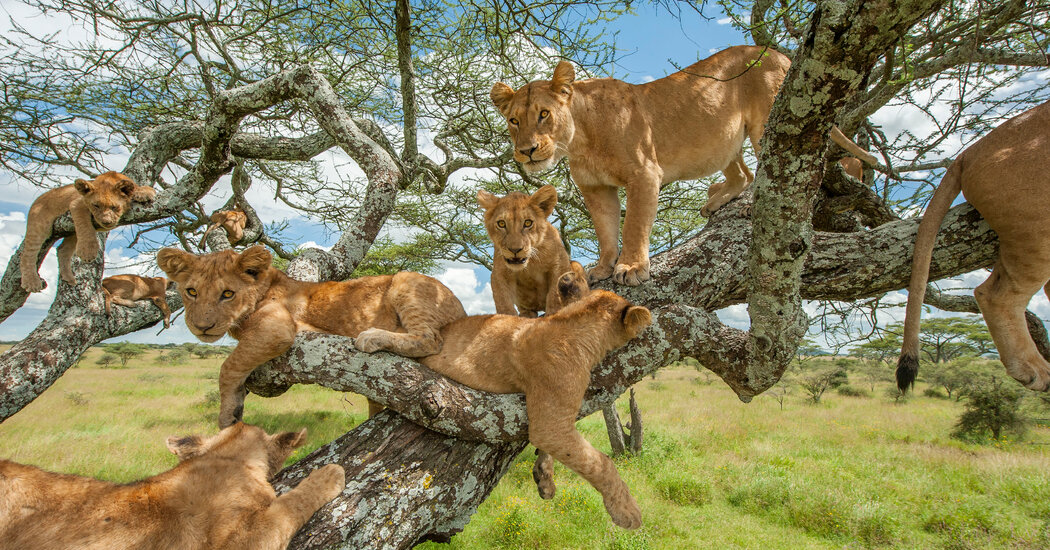
Where Lions Climb Trees & Birds Paint the Sky
Experience the magic of Lake Manyara National Park on this 2-day safari focused on Tanzania's most unique wildlife behavior - tree-climbing lions. This compact park packs an incredible diversity of habitats into just 330 km², creating a wildlife-rich environment perfect for a short but spectacular safari. From the famous lions lounging in acacia trees to thousands of flamingos painting the lake pink, Lake Manyara offers an unforgettable African wildlife experience just a short drive from Arusha.
Safari Highlights:
- Tree-Climbing Lions: Search for Lake Manyara's famous lions lounging in acacia trees
- Birdwatcher's Paradise: Over 400 bird species including thousands of flamingos
- Diverse Habitats: Explore groundwater forest, acacia woodland, and alkaline lake
- Great Rift Valley Views: Spectacular scenery along the Rift Valley escarpment
- Compact Park: Easy wildlife viewing in Tanzania's most accessible park
- Photography: Excellent opportunities for wildlife and landscape photography
- Hot Springs: Visit the Maji Moto hot springs on the lake shore
- Perfect Short Safari: Ideal for travelers with limited time or as add-on to longer itineraries
Detailed Safari Itinerary
DAY 1: ARUSHA/MOSHI TO LAKE MANYARA NATIONAL PARK
Morning Pickup (7:00 AM): Collection from your hotel in Arusha or Moshi, or from Kilimanjaro Airport.
Scenic Drive: Journey west through agricultural lands and Maasai villages with views of Mount Meru.
Great Rift Valley: Descend into the Great Rift Valley with spectacular views of the escarpment.
Enter Lake Manyara: Arrive at Lake Manyara National Park gate around mid-morning.
Park Introduction: Briefing about Lake Manyara's unique features and wildlife.
Groundwater Forest: Drive through the dense, lush groundwater forest at park entrance - a unique habitat.
Morning Game Drive: Begin wildlife viewing focusing on:
- Tree-Climbing Lions: Initial search for lions in acacia trees
- Forest Wildlife: Blue monkeys, bushbuck, and forest birds
- Elephant Encounters: Lake Manyara's elephant herds
- Birdwatching: Initial bird sightings including forest species
Lunch at Picnic Site: Enjoy lunch at a scenic spot with views of the Rift Valley escarpment.
Afternoon Game Drive: Continue exploring different habitats:
- Acacia Woodland: Search for giraffe, buffalo, and more lions
- Lake Shore: Flamingos, pelicans, storks, and other waterbirds
- Alkaline Lakes: Spectacular bird concentrations
- Open Plains: Zebra, wildebeest, and impala herds
Hot Springs Visit: Stop at Maji Moto hot springs on the lake shore.
Late Afternoon Game Drive: Final wildlife viewing as animals become more active.
Lodge Check-in: Arrive at your Lake Manyara accommodation.
Evening Relaxation: Time to enjoy lodge facilities with views of the Rift Valley.
Sundowner: Enjoy drinks while watching the sunset over Lake Manyara.
Dinner: Dinner at the lodge with opportunity to share sightings from the day.
Optional: Evening presentation about Lake Manyara's ecology (at some lodges).
DAY 2: LAKE MANYARA GAME DRIVE & RETURN
Early Breakfast (6:30 AM): Quick breakfast before morning game drive.
Morning Game Drive (7:00 AM): Enter the park early for the best wildlife viewing conditions.
Predator Activity: Lions are most active in the early morning - best chance for tree-climbing sightings.
Birdwatching Focus: Excellent morning light for bird photography, especially at the lake shore.
Habitat Exploration: Visit areas not covered on Day 1:
- Different Forest Sections: Search for different wildlife
- Alternative Woodland Areas: For varied lion sightings
- Less-Visited Lake Areas: For different bird species
Photography Stops: Multiple opportunities for wildlife and landscape photography.
Return to Lodge (10:30 AM): Return to lodge for late breakfast/early lunch.
Check-out (11:30 AM): Depart from your accommodation.
Optional Final Game Drive: Additional short game drive if time permits.
Exit Park (12:00 PM): Depart Lake Manyara National Park.
Return Journey: Scenic drive back to Arusha or Moshi.
Lunch en route (1:00 PM): Stop for lunch at a restaurant with Rift Valley views.
Cultural Stop (Optional): Brief visit to Maasai cultural center or craft market if time allows.
Arusha/Moshi Arrival (3:00-4:00 PM): Arrive in Arusha or Moshi.
Final Options:
- Transfer to Kilimanjaro Airport for departure
- Drop-off at your Arusha/Moshi hotel if extending your stay
- Visit to Arusha Cultural Heritage Centre if time permits
Farewell: Bid farewell to your guide and driver.
Souvenir Shopping: Optional stop at craft markets (if time allows).
Extension Suggestions: Perfect as add-on to Tarangire, Ngorongoro, or Serengeti safaris.
Why Lake Manyara is Unique
The park's entrance is through a lush groundwater forest fed by underground springs from the Rift Valley escarpment. This unique habitat supports species not found elsewhere in Tanzania's northern circuit, including troops of blue monkeys and large troops of olive baboons.
Lake Manyara is a shallow alkaline lake that covers about two-thirds of the park during the wet season. The lake attracts thousands of flamingos (lesser and greater) as well as other waterbirds including pelicans, storks, and herons, creating one of Africa's great bird spectacles.
The park lies at the base of the 600-meter high Great Rift Valley escarpment, creating spectacular scenery and diverse microclimates. The escarpment provides a stunning backdrop for photography and influences the park's unique ecology through underground water sources.
Lake Manyara is famous for its tree-climbing lions, a behavior rarely seen elsewhere in Africa. While the exact reason remains debated among scientists, theories include: escaping biting flies on the ground, obtaining better vantage points for hunting, seeking cooler temperatures, or simply resting in comfortable branches. Whatever the reason, seeing lions lounging in acacia trees is a truly unforgettable sight.
Lake Manyara's most famous residents, often seen lounging in acacia trees 5-7 meters above ground
Thousands of lesser flamingos create pink spectacles along the lake shore, especially Nov-May
Large-tusked elephants are common, especially in the groundwater forest and along the lake shore
Masai giraffe are frequently seen browsing in the acacia woodlands throughout the park
Troops of blue monkeys and olive baboons are common in the groundwater forest
Over 400 bird species including raptors, waterbirds, and forest specialists
Essential Safari Information
Essential for spotting lions in trees and identifying distant birds
200-400mm lens ideal for photographing lions in trees
Glare from the lake can be intense - polarized lenses recommended
Mornings can be cool, especially in the groundwater forest
Field guide to East African birds enhances the birdwatching experience
Stay hydrated throughout game drives
Essential sun protection during game drives
Small bills for souvenirs, tips, and optional activities
Lake Manyara Safari Rules:
- Park Hours: 6:00 AM - 6:00 PM (no night game drives allowed)
- Stay in Vehicle: No getting out except at designated picnic areas
- No Off-Road Driving: Strictly stay on designated tracks
- Speed Limit: Maximum 50 km/h on main roads, 25 km/h near wildlife
- No Feeding Animals: Strictly prohibited
- Litter: All waste must be carried out - no littering
- Noise: Keep voices low to avoid disturbing wildlife
- Photography: No flash photography of animals at close range
- Lion Viewing: Maintain minimum 25m distance from lions
- Guide Instructions: Always follow your guide's directions for safety
While Lake Manyara is famous for tree-climbing lions, sightings are not guaranteed. The best strategy is to work with experienced guides who know preferred lion territories and resting trees. Early morning (7-10 AM) and late afternoon (4-6 PM) offer the best chances as lions are most active. Focus scanning on large acacia trees, particularly those with comfortable horizontal branches 5-7 meters above ground. Patience is key - sometimes waiting at known lion territories yields the best results.
Essential Tips for Lake Manyara Safari
Tree Scanning: Systematically scan acacia trees for lion shapes. Early Morning: Best time as lions may still be in trees from overnight. Telephoto Lens: Minimum 200mm, ideally 400mm for good shots. Light Direction: Position vehicle for best light on lions in trees. Patience: Wait at known lion territories - they may return to favorite trees.
Lake Shore: Best for waterbirds and flamingos (Nov-May peak). Groundwater Forest: Unique forest birds including hornbills and turacos. Acacia Woodland: Raptors, barbets, and woodpeckers. Early Morning: Most bird activity and best light for photography.
Lions in Trees: Use fast shutter speed (1/1000+) to freeze any movement. Flamingos: Early morning or late afternoon for soft pink light. Landscapes:Forest Photography: Higher ISO may be needed in dim forest light.
Prioritize: Decide if lions or birds are your main focus. Early Start: Maximize time in the park. Guide Communication: Clearly state your interests to your guide. Compact Advantage: Lake Manyara's small size means less driving between sightings.
Best Time for Lake Manyara Safari:
- Dry Season (June-October): Best for general wildlife viewing, easier road conditions
- Wet Season (November-May): Best for birding, especially flamingos (peak Nov-Apr)
- Lion Viewing: Year-round, but may be easier in dry season when vegetation is less dense
- Photography: June-July for clear skies, January-February for lush green landscapes
- Avoiding Crowds: April-May & November (except holidays) for fewer vehicles
- Lake Levels: Lake is largest March-May, smallest September-October affecting bird numbers
Lake Manyara is perfectly suited for a 2-day safari due to its compact size (330 km²) and high wildlife density. Unlike larger parks that require days to explore properly, Lake Manyara can be thoroughly enjoyed in just 1-2 days. This makes it ideal for: travelers with limited time, those adding a short safari to a Tanzania beach holiday, budget-conscious travelers wanting maximum wildlife in minimum time, or as a perfect introduction to African safaris before longer trips. The park's proximity to Arusha (2-hour drive) means minimal transfer time and maximum park time.
Ready to See Lions in Trees?
Experience one of Africa's most unique wildlife behaviors in beautiful Lake Manyara National Park. Perfect for short stays or as an add-on to longer Tanzanian adventures.
Book This Lake Manyara SafariContact our Tanzania specialists for the best time to see tree-climbing lions and combination options.