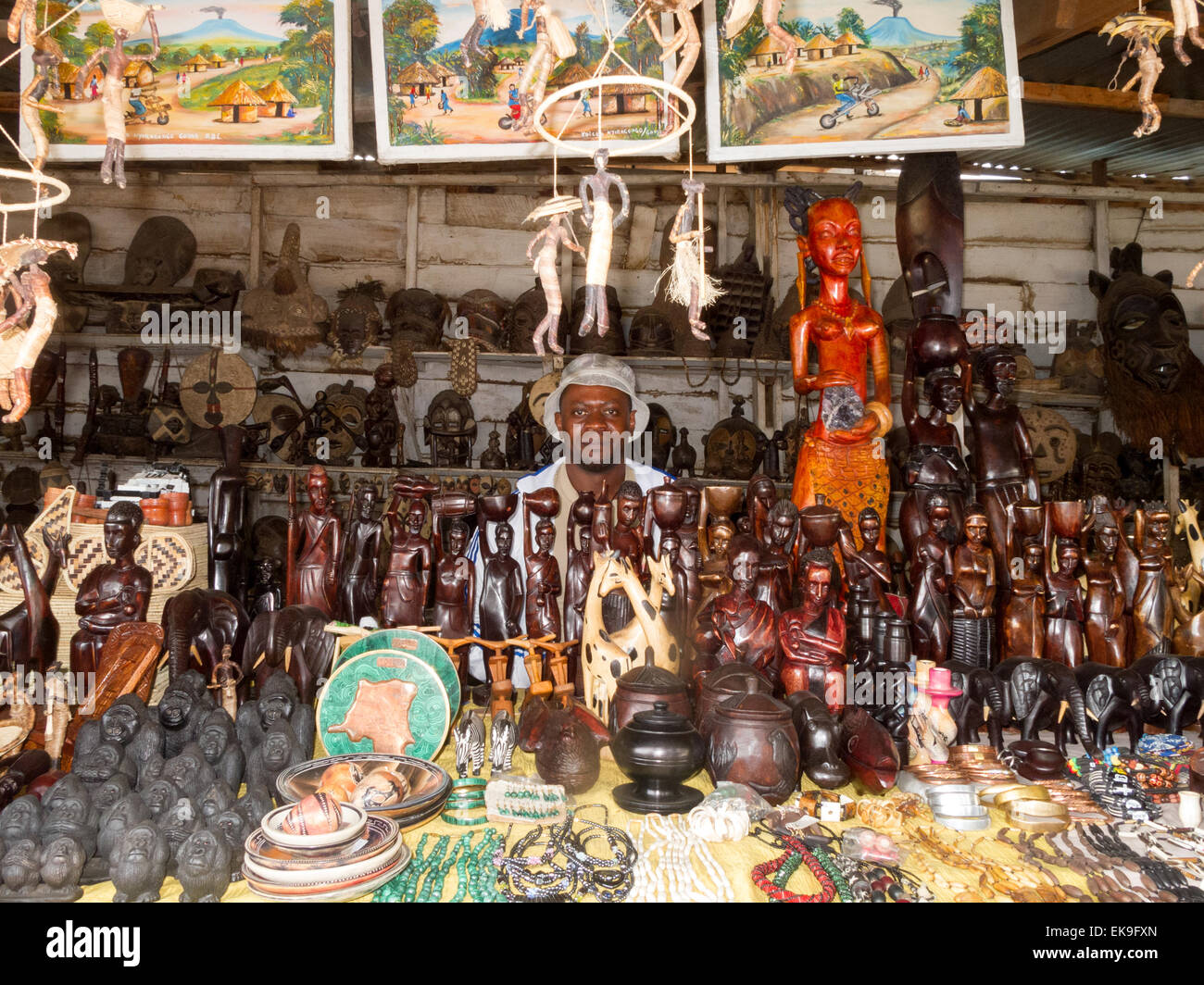
The Living Artistry of the Democratic Republic of Congo
Embark on a 5-day immersive journey into the heart of Congolese artistry. This unique cultural safari takes you beyond the typical tourist experience to engage directly with master craftspeople preserving centuries-old traditions. From intricate wood carvings and vibrant textiles to traditional pottery and ceremonial masks, you'll learn about the cultural significance of each craft while trying your hand at creating your own pieces under expert guidance. This tour not only supports local artisans but also helps preserve Congo's rich cultural heritage for future generations.
Tour Highlights:
- Master Artisan Workshops: Learn directly from 5th-generation master craftspeople
- Hands-On Experience: Create your own traditional Congolese crafts to take home
- Cultural Significance: Understand the rituals, stories, and meanings behind each craft
- Market Visits: Explore vibrant artisan markets with expert guidance
- Community Impact: Directly support artisan families and cultural preservation
- Traditional Techniques: Learn age-old methods passed down through generations
- Photography Opportunities: Document unique cultural practices and craftsmanship
- Culinary Integration: Enjoy traditional Congolese meals prepared by local families
Detailed Tour Itinerary
DAY 1: ARRIVAL & KINSHASA ARTISAN INTRODUCTION
Airport Arrival: Warm welcome at N'djili International Airport, Kinshasa.
Transfer to Hotel: Comfortable transfer to your centrally located Kinshasa hotel.
Orientation Briefing: Comprehensive introduction to Congolese artisan traditions and tour overview.
Lunch: Welcome lunch featuring traditional Congolese cuisine.
National Museum of DRC: Guided tour of the museum's extensive craft and cultural collections.
Artisan District Introduction: Walking tour of Kinshasa's main artisan neighborhoods.
Evening Craft Discussion: Informal talk with local artisans about their work and traditions.
Welcome Dinner: Special dinner at a restaurant featuring live traditional music.
Craft Journal Distribution: Receive your personal craft journal for documenting techniques and experiences.
DAY 2: WOOD CARVING & SCULPTURE WORKSHOP
Morning Transfer: Travel to the workshop of Master Carver Nzuzi, a 5th-generation woodcarver.
Wood Selection Lesson: Learn about traditional Congolese woods and their properties.
Tool Introduction: Overview of traditional carving tools and their uses.
Hands-On Carving: Under guidance, begin your own small wood carving project.
Traditional Lunch: Share a meal with the artisan family in their home.
Symbolism & Meaning: Discussion on the cultural significance of common carving motifs.
Finishing Techniques: Learn traditional polishing and finishing methods.
Artisan Market Visit: Visit a local market specializing in wood carvings.
Evening Reflection: Group discussion on today's experiences and learnings.
Traditional Storytelling: Evening with local storytellers sharing tales behind the crafts.
DAY 3: TEXTILES & RAFFIA WEAVING
Textile Studio Visit: Journey to a cooperative of women weavers preserving traditional techniques.
Natural Dyes Workshop: Learn about traditional dye sources - plants, minerals, and insects.
Dye Preparation: Hands-on experience preparing natural dyes.
Weaving Demonstration: Watch master weavers create intricate raffia textiles.
Your Weaving Project: Begin a small raffia weaving project with expert guidance.
Lunch with Artisans: Traditional meal prepared by the weaving cooperative.
Pattern Significance: Learn the meanings behind traditional Congolese textile patterns.
Kuba Cloth Exploration: Special focus on the famous Kuba textiles of the Kasai region.
Textile Market: Visit a market specializing in traditional Congolese fabrics.
Evening Workshop: Continue working on your weaving project with assistance.
DAY 4: POTTERY & CERAMIC ARTS
Riverside Pottery Studio: Travel to a traditional pottery studio on the Congo River.
Clay Preparation: Learn traditional methods of preparing clay for pottery.
Coil Technique: Master the ancient coil method of pottery making.
Potter's Wheel: Introduction to traditional foot-powered potter's wheels.
Create Your Pottery: Design and create your own traditional Congolese pottery piece.
Traditional Firing: Learn about pit firing techniques used for centuries.
Lunch: Riverside picnic with the pottery community.
Ceremonial Pottery: Understanding the ritual significance of specific pottery forms.
Decoration Techniques: Learn traditional incising and painting methods.
Evening Kiln Lighting: Participate in the ceremonial lighting of the kiln for firing.
Craft Exhibition: Evening showcase of completed projects from the tour so far.
DAY 5: MASK MAKING & DEPARTURE
Mask Studio Visit: Visit the workshop of a renowned ceremonial mask maker.
Mask Significance: Deep dive into the spiritual and ceremonial importance of masks.
Material Selection: Choose materials for your own ceremonial-style mask.
Mask Construction: Guided creation of a traditional-style mask under expert supervision.
Decoration Workshop: Learn traditional painting and adornment techniques for masks.
Farewell Lunch: Special celebratory meal with all artisans from the week.
Craft Collection: Collect your completed projects from throughout the week.
Certificate Presentation: Receive your Traditional Crafts Appreciation certificate.
Final Market Visit: Last opportunity for craft purchases at artisan cooperatives.
Return to Kinshasa: Transfer back to Kinshasa with craft packing assistance.
Airport Transfer: Based on flight time, transfer to N'djili International Airport.
Departure: Bid farewell to your guides and new artisan friends.
The Rich Tapestry of Congolese Craft Traditions
Congolese crafts are not merely decorative - they serve as historical records, spiritual conduits, and social markers. Each pattern, shape, and material carries generations of knowledge and cultural meaning, making these crafts living artifacts of Congo's diverse ethnic heritage.
Unlike museum-based preservation, this tour supports living traditions maintained within communities. By learning directly from master artisans, you're helping ensure these skills continue to be practiced and valued in their original cultural context.
Tourism focused on artisan crafts provides sustainable income for craftspeople while allowing them to maintain traditional lifestyles. This economic model helps prevent rural-to-urban migration and preserves cultural practices that might otherwise disappear.
Many artisans on this tour come from families who have practiced their craft for 5+ generations. Your participation validates their life's work and encourages younger generations to continue these traditions rather than seeking work in completely different fields.
Intricate sculptures, ceremonial objects, and functional items carved from indigenous woods using traditional tools and techniques.
Raffia and cotton textiles featuring geometric patterns with specific cultural meanings, including the famous Kuba cloth.
Functional and ceremonial pottery made using coil techniques, pit firing, and traditional decorative motifs.
Ceremonial masks used in rituals, celebrations, and storytelling, each with specific spiritual significance.
Traditional Craft Techniques You'll Experience
Identifying and preparing traditional carving woods
Creating pigments from plants, minerals, and insects
Traditional loom and hand-weaving techniques
Traditional methods of preparing and aging clay
Ancient firing techniques using open pits
Creating and maintaining traditional craft tools
Traditional methods of decorating ceremonial masks
Creating culturally significant patterns and motifs
Master Nzuzi Lomboto
5th-generation woodcarver specializing in ceremonial objects
"My great-great-grandfather carved for the royal court. Each cut in the wood tells a story that connects us to our ancestors."
Kamuena Mboyo
Master weaver and natural dye expert
"The patterns in our textiles are like letters in an alphabet. Each one has meaning and tells part of our community's story."
Essential Information for Your Craft Tour
Comfortable Clothing: Clothes you don't mind getting messy during workshops. Closed Shoes: For studio safety and comfort during extended standing. Notebook/Sketchbook: For recording techniques and ideas. Camera: For documenting processes and finished works. Small Bag: For carrying workshop materials and purchases.
Ask Before Photographing: Always ask permission before photographing artisans at work. Respect Workshop Spaces: Treat studios and tools with care and respect. Engage Curiously: Ask questions about techniques and meanings. Fair Compensation: Understand that crafts represent hours of skilled labor when purchasing. Cultural Sensitivity: Some ceremonial objects may have restrictions - follow guide instructions.
Direct from Artisans: Purchase directly from makers whenever possible. Understand Pricing: Authentic handmade crafts reflect materials + hours of skilled labor. Ask About Origins: Inquire about materials, techniques, and cultural significance. Shipping Considerations: Plan for shipping fragile items or consider carry-on options. Certificates of Authenticity: Request documentation for significant purchases.
Travel Insurance: Essential for international travel including medical evacuation. Vaccinations: Yellow fever vaccination required; consult doctor about others. Malaria Prevention: Prophylaxis recommended for DRC. Studio Safety: Follow all safety instructions in workshops. Hydration: Drink plenty of water in the tropical climate.
Best Time for Craft Tourism in DRC:
- Dry Seasons (Best): June-August & December-February - easier travel conditions
- Festival Seasons: Plan around cultural festivals for special craft demonstrations
- Workshop Availability: Most artisans available year-round but confirm specific dates
- Market Days: Inquire about local market schedules for best shopping
- Custom Workshops: Can be arranged year-round with advance notice
Included Craft Projects
Each participant will create and take home:
- A small wood carving using traditional tools
- A raffia weaving sample with natural dyes
- A hand-built pottery piece using coil technique
- A ceremonial-style mask decoration project
- A craft journal documenting techniques learned
Ready to Create & Connect with Congolese Culture?
Experience the living artistry of DRC through this unique hands-on cultural immersion. Limited spaces available for intimate workshop experiences.
Book This Artisan Crafts TourContact our cultural tourism specialists for custom workshop options and private artisan experiences.