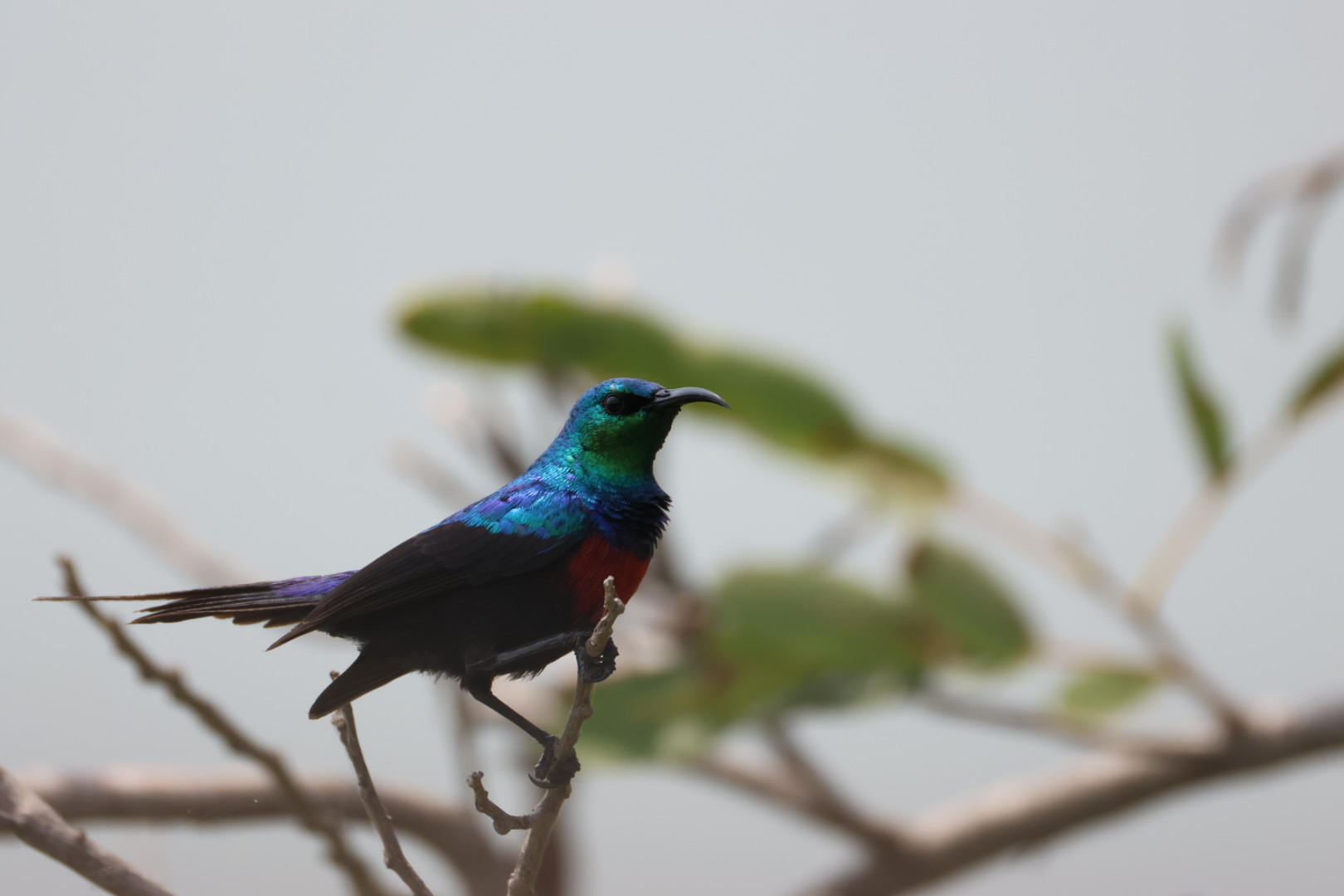
Birdwatching Paradise in the Heart of Africa
Embark on a specialized 7-day birding and wildlife safari in the Democratic Republic of Congo, focusing on the incredible avian diversity of the Congo Basin. This expert-led tour is designed for serious birdwatchers and nature enthusiasts who want to explore one of Africa's most biodiverse yet least-visited birding destinations. With over 1,100 bird species recorded in DRC, including numerous Albertine Rift endemics and Congo Basin specialties, this safari offers unparalleled opportunities to tick rare and endemic species while also experiencing DRC's unique wildlife and landscapes.
Safari Highlights:
- Expert Bird Guides: Specialist birding guides with extensive local knowledge
- Albertine Rift Endemics: Target species found only in this region
- Congo Basin Specialties: Unique birds of the world's second-largest rainforest
- Varied Habitats: Explore montane forest, lowland rainforest, wetlands, and savanna
- Mammal Watching: Opportunities to see primates, forest elephants, and other wildlife
- Photography Focus: Designed with bird photographers in mind
- Small Group Size: Maximum 6 participants for optimal birding experience
- Scientific Approach: eBird reporting and scientific data collection
- Local Community Engagement: Visit communities involved in conservation
- Flexible Itinerary: Adaptable based on recent sightings and participant interests
- Equipment Support: Spotting scopes and field guides provided
- Checklist Development: Personal bird checklist development throughout safari
Intelligent, highly sought-after species, vulnerable due to pet trade
Prehistoric-looking bird, DRC offers some of best viewing opportunities
DRC's national bird, endemic to Congo Basin rainforest
Albertine Rift endemic, rare and localized
Detailed Birding Safari Itinerary
DAY 1: ARRIVE GOMA, ORIENTATION & LAKE KIVU BIRDING
Goma Arrival: Arrive at Goma International Airport, Eastern DRC.
Meet Expert Guide: Welcome by specialist birding guide and team.
Security Briefing: Essential safety information for DRC travel.
Equipment Check: Review of personal birding equipment, loaner equipment available.
Initial Birding: Late afternoon birding around Lake Kivu shoreline.
Target Species: African Fish Eagle, Pied Kingfisher, various waterbirds.
Lakeside Lunch: Lunch with views of Lake Kivu and Nyiragongo volcano.
Hotel Check-in: Check into Goma hotel with lake views.
Safari Briefing: Comprehensive overview of 7-day birding adventure.
Checklist Development: Begin personal bird checklist.
Evening Discussion: Introduction to DRC birding habitats and specialties.
Welcome Dinner: Welcome dinner with focus on next day's birding plans.
Early Night: Rest for early morning birding start.
DAY 2: VIRUNGA NATIONAL PARK - MONTANE FOREST BIRDING
Pre-dawn Departure: Early start for montane forest birding.
Transfer to Virunga: Drive to Virunga National Park montane sectors.
Morning Birding Session: Intensive birding in montane bamboo and hagenia forest.
Albertine Rift Endemics Focus: Target species restricted to this region.
Target Species: Rwenzori Turaco, Strange Weaver, Regal Sunbird.
Breakfast in Field: Packed breakfast at productive birding spot.
Continued Birding: Explore different elevations and microhabitats.
Lunch: Picnic lunch in beautiful forest setting.
Afternoon Session: Birding in secondary growth and forest edges.
Mammal Opportunities: Chance encounters with primates and other mammals.
Return to Goma: Late afternoon return to hotel.
Checklist Update: Comprehensive checklist update and species review.
Dinner: Dinner with discussion of day's highlights and misses.
Next Day Planning: Briefing for lowland forest birding.
DAY 3: LOWLAND RAINFOREST BIRDING - ITOMBWE FOREST
Early Departure: Pre-dawn start for journey to lowland forests.
Scenic Drive: Journey through changing landscapes to Itombwe region.
Congo Basin Specialties: Focus on birds unique to Congo rainforest.
Morning Birding: Intensive birding in primary lowland rainforest.
Target Species: Congo Peafowl, African Grey Parrot, Yellow-crested Helmetshrike.
Breakfast: Field breakfast at birding hotspot.
Forest Interior Birding: Seek forest interior specialists.
Mixed Species Flocks: Focus on finding and following bird flocks.
Lunch: Picnic lunch in forest clearing.
Afternoon Session: Birding along forest streams and rivers.
Evening Return: Return to accommodation near forest edge.
Lodge Check-in: Check into forest lodge or camp.
Checklist Update: Add lowland forest specialists to checklist.
Dinner: Dinner with focus on rainforest ecology discussion.
Optional Night Birding: Optional owling excursion (weather dependent).
DAY 4: WETLAND & RIVERINE BIRDING - SHOEBILL SEARCH
Early Start: Pre-dawn departure for wetland areas.
Transfer to Wetlands: Drive to prime wetland birding locations.
Morning Waterbird Spectacle: Birding at lakes, marshes, and river deltas.
Shoebill Focus: Intensive search for the prehistoric-looking Shoebill.
Target Species: Shoebill, African Skimmer, White-backed Night Heron.
Boat-Based Birding: Canoe or boat excursion for aquatic species.
Breakfast: Riverside breakfast during birding.
Wetland Specialties: Focus on papyrus and reedbed specialists.
Lunch: Lunch at wetland viewpoint.
Afternoon Session: Continue wetland and riverine birding.
Raptor Watching: Look for fish eagles, ospreys, and other raptors.
Return to Lodge: Late afternoon return.
Checklist Update: Add wetland specialists to growing list.
Photography Review: Opportunity to review day's bird photos.
Dinner: Dinner with discussion of wetland ecology.
DAY 5: SAVANNA & GRASSLAND BIRDING - MAMMAL FOCUS
Morning Birding: Early start for savanna and grassland habitats.
Transfer to Savanna Areas: Drive to grassland and open woodland areas.
Grassland Specialties: Focus on birds of open country.
Target Species: Secretary Bird, Denham's Bustard, various larks and pipits.
Mammal Watching: Combined birding and wildlife viewing.
Breakfast: Bush breakfast with wildlife viewing.
Raptor Concentration: Look for birds of prey in thermal currents.
Lunch: Picnic lunch at scenic viewpoint.
Afternoon Game Drive: Combined birding and wildlife drive.
Mammal Opportunities: Potential sightings of antelope, buffalo, elephants.
Evening Light Photography: Golden hour photography session.
Return to Lodge: Return after sunset.
Checklist Update: Add savanna specialists to checklist.
Dinner: Bush dinner or lodge dinner with wildlife stories.
Night Drive Option: Optional night drive for nocturnal species.
DAY 6: CULTURAL BIRDING & COMMUNITY ENGAGEMENT
Leisurely Morning: Slightly later start after intensive birding days.
Community-Based Birding: Birding in agricultural and village areas.
Human-Modified Habitats: Focus on birds that thrive near human settlements.
Target Species: Village Weaver, Black-headed Gonolek, various sunbirds.
Community Visit: Visit local community involved in conservation.
Cultural Exchange: Learn about local bird knowledge and traditions.
Lunch with Community: Share meal with local community.
Afternoon Options: Choose between:
- Relaxation and personal bird checklist organization
- Local craft market visit for bird-themed souvenirs
- Additional birding in productive local patches
- Photography processing and backup session
Final Checklist Compilation: Complete personal bird checklist.
Species Review: Comprehensive review of all species seen.
Conservation Discussion: Discussion of bird conservation challenges in DRC.
Farewell Dinner: Special farewell dinner celebrating birding achievements.
Photography Sharing: Opportunity to share best bird photos.
DAY 7: FINAL MORNING BIRDING & DEPARTURE
Final Morning Birding: Optional early morning birding for last-minute species.
Target Missed Species: Focus on any key species not yet seen.
Farewell to Local Guides: Thank and bid farewell to local bird experts.
Final Checklist Verification: Expert guide verification of personal checklist.
Certificate Presentation: Receive DRC Birding Safari certificate.
Check-out: Depart from accommodation.
Transfer to Goma: Return journey to Goma with possible birding stops.
Lunch: Final lunch in DRC with birding stories.
Airport Transfer: Transfer to Goma International Airport.
Assistance with Check-in: Help with airport procedures.
Final Farewell: Bid farewell to guide and team.
Departure: Depart with extensive bird checklist and memories.
Extension Suggestions: Add primate tracking in Kahuzi-Biega, gorilla trekking in Virunga, or extension to Rwanda/Uganda for additional birding.
DRC Birding Habitats & Specialties
Albertine Rift endemics including 30+ species found nowhere else
Congo Basin specialties like Congo Peafowl and African Grey Parrot
Shoebill, waterbirds, kingfishers, and wetland specialists
Raptors, bustards, larks, and open country species
The Albertine Rift, which runs through eastern DRC, is one of Africa's most important birding regions with over 30 bird species found nowhere else on Earth. These include Grauer's Broadbill, Rwenzori Turaco, Rockefeller's Sunbird, and many others. This safari provides exceptional opportunities to see these rare and localized species in their natural habitats.
The Congo Basin rainforest, the world's second-largest after the Amazon, hosts numerous bird species found only in this region. The Congo Peafowl (DRC's national bird), African Grey Parrot, and Yellow-crested Helmetshrike are just a few examples. This safari ventures into proper Congo Basin rainforest habitats that few birders ever experience.
Sample Bird Checklist Target Species
Albertine Rift Endemics: Rwenzori Turaco, Strange Weaver, Regal Sunbird, Rockefeller's Sunbird, Grauer's Broadbill, Shelley's Crimsonwing
Congo Basin Specialties: Congo Peafowl, African Grey Parrot, Yellow-crested Helmetshrike, Congo Serpent Eagle, Black-collared Lovebird
Wetland Specials: Shoebill, African Skimmer, White-backed Night Heron, Papyrus Gonolek, Allen's Gallinule
Savanna & Grassland: Secretary Bird, Denham's Bustard, Black-bellied Bustard, Rufous-naped Lark, Flappet Lark
Raptors: African Fish Eagle, Martial Eagle, African Harrier-Hawk, Lizard Buzzard, Palm-nut Vulture
Photographic Highlights: Malachite Kingfisher, Great Blue Turaco, Lilac-breasted Roller, Superb Starling, Ross's Turaco
Chimpanzees, various monkeys, possible gorilla sightings in Virunga
Smaller forest elephants in lowland rainforest areas
In rivers and lakes throughout eastern DRC
Buffalo, various antelope, warthog, possibly elephants in savanna areas
Essential Birding Equipment for DRC Safari
8x42 or 10x42 recommended, waterproof if possible
DSLR or mirrorless with 300mm+ lens, tripod/monopod
Birds of Eastern Africa or similar regional guide
Waterproof notebook for field notes and checklist
Waterproof daypack for equipment and personal items
Neutral colors, lightweight, waterproof layers
For pre-dawn starts and night birding opportunities
Extra batteries, memory cards, power bank, solar charger
What We Provide:
- Expert Bird Guide: Specialist guide with extensive DRC bird knowledge
- Spotting Scope: High-quality spotting scope for group use
- Field Guides: Reference books available for consultation
- Checklist Forms: Prepared checklist forms for recording sightings
- eBird Support: Assistance with eBird reporting if desired
- Local Knowledge: Access to local birding hotspots and recent sightings
- Logistical Support: All transport, accommodation, and permit arrangements
Essential Tips for DRC Birding Safari
Early Starts: Best birding is often early morning. Local Guides: Utilize local knowledge for hard-to-find species. Habitat Focus: Different habitats require different strategies. Sound Identification: Many forest birds heard more than seen. Patience: Some species require waiting at productive spots.
Light Challenges: Forest interior photography requires high ISO settings. Equipment Protection: Humidity and rain require protective measures. Boat Photography: Image stabilization crucial for boat-based birding. Ethical Practices: Maintain distance, avoid playback unless guided. Backup Strategy: Multiple memory cards and backup storage essential.
Malaria Prevention: Essential in all DRC birding areas. Yellow Fever: Vaccination certificate required for entry. Travel Insurance: Must include medical evacuation coverage. Field Safety: Follow guide instructions, especially in remote areas. Hydration: Drink plenty of water in tropical climate.
Daily Recording: Update checklist daily while memory fresh. Field Notes: Record behaviors, habitats, and distinguishing features. Photo Documentation: Photograph difficult species for later confirmation. Guide Verification: Consult guide for tricky identifications. eBird Integration: Consider using eBird for scientific contribution.
Best Time for Birding in DRC:
- Dry Seasons (Recommended): June-September & December-February - easier travel, more predictable bird activity
- Wet Season (Specialized): March-May & October-November - lush vegetation, migrant species, fewer tourists
- Breeding Seasons: Varies by species but generally corresponds with rainy seasons
- Migrant Seasons: Palearctic migrants November-April, intra-African migrants variable
- Local Movements: Some species undertake altitudinal movements
Support Local Conservation: Your visit funds anti-poaching and habitat protection. Community Benefits: Local guides and communities benefit from bird tourism. Ethical Practices: Maintain distance, minimize playback use, respect habitats. Scientific Contribution: Checklists contribute to scientific knowledge of DRC birds. Sustainable Tourism: Small group sizes minimize environmental impact.
Ready for Your DRC Birding Adventure?
Explore one of Africa's most exciting birding destinations with expert guides and focus on endemic species found nowhere else on Earth.
Book This Birding SafariContact our birding safari specialists for custom birding itineraries and recent rarity sightings information.