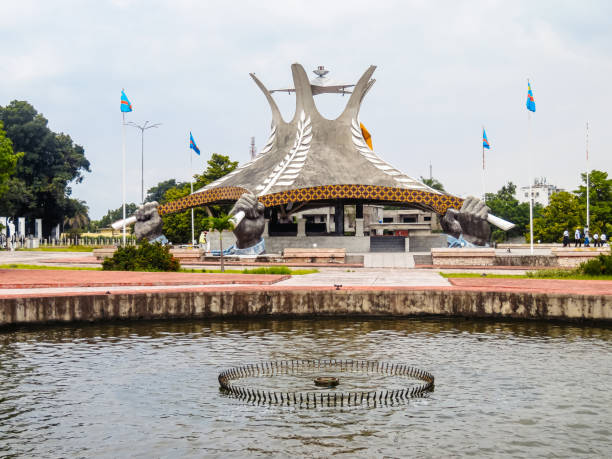
Uncovering Congo's Rich Historical Tapestry
Embark on a journey through the complex and fascinating history of the Democratic Republic of Congo, a nation with one of Africa's richest and most tumultuous historical narratives. From ancient kingdoms to colonial exploitation, from independence struggles to contemporary challenges, Congo's history is written in its museums, monuments, and historical sites. This specialized tour is designed for those who want to move beyond surface-level understanding to engage deeply with Congo's past, exploring how history shapes present realities. Through carefully curated museum visits, historical site explorations, and conversations with historians and cultural experts, you'll gain unprecedented insight into the forces that have shaped this vast, resource-rich nation at the heart of Africa.
Navigating Complex Historical Narratives
Complex History: Congo's history includes difficult periods of colonial exploitation, conflict, and political instability. Our approach is balanced, presenting multiple perspectives while acknowledging painful historical realities.
Educational Focus: This tour is designed as an educational experience rather than traditional tourism. We engage with challenging topics through expert guidance and contextual understanding.
Respectful Engagement: We approach historical sites and museums with respect for their significance to Congolese people. Our guides are trained to facilitate sensitive discussions about difficult history.
Contemporary Connections: We connect historical understanding to contemporary Congo, exploring how the past informs present challenges and opportunities.
Key Historical Periods Explored
The Kongo Kingdom, Luba Empire, Lunda Kingdom, and Kuba Kingdom - sophisticated African states with rich cultural traditions, trade networks, and political systems.
From King Leopold II's Congo Free State (often called history's deadliest colonial regime) to Belgian Congo - exploring exploitation, resistance, and colonial legacy.
Patrice Lumumba's brief leadership, Mobutu Sese Seko's 32-year rule (Zaire period), and the complex post-independence nation-building efforts.
From Laurent-Désiré Kabila to contemporary politics, exploring recent conflicts, peace efforts, and current challenges and opportunities.
- National Museum of Congo: Comprehensive overview of Congolese history and culture
- Académie des Beaux-Arts: Art school and gallery showcasing Congolese artistic traditions
- Palais du Peuple: Parliament building with historical significance
- Mausoleum of Laurent-Désiré Kabila: Memorial to former president
- Stade des Martyrs: Africa's largest stadium with political history
- Central Market Area: Historical commercial heart of Kinshasa
- National Museum of Lubumbashi: Focus on Katanga region history and mining heritage
- Gécamines Mining Sites: Historical copper and cobalt mining areas
- University of Lubumbashi: Historical academic institution with colonial architecture
- Katanga Secession Sites: Locations significant to 1960-63 secession attempt
- Colonial Architecture: Well-preserved Belgian colonial buildings
- Local Cultural Centers: Community spaces preserving regional heritage
- Matadi & Boma: Colonial river ports with historical architecture
- Kisangani (Stanleyville): Historical river trading center
- Kananga (Luluabourg): Center of Kasaï region with cultural significance
- Mbandaka (Coquilhatville): Equateur region historical sites
- Historical Mission Stations: Early missionary sites with archival materials
- Memorial Sites: Locations of historical significance from various periods
Tour Highlights:
- Comprehensive Museum Visits: 10+ major museums and cultural institutions
- Expert Historical Guidance: Historians and cultural experts as guides
- Archival Access: Limited access to historical archives (where possible)
- Historical Site Exploration: Visit sites significant to Congo's history
- Meeting Historians: Conversations with Congolese historians and scholars
- Colonial Architecture Tour: Exploration of Belgian colonial buildings
- Independence History: Sites related to Congo's struggle for independence
- Cultural Heritage Preservation: Visit institutions preserving Congolese heritage
- Contemporary Connections: Discussions linking history to current Congo
- Educational Focus: Deep learning rather than superficial tourism
- Multiple Perspectives: Balanced presentation of complex historical narratives
- Personalized Learning: Customizable based on historical interests
Detailed Historical Exploration Itinerary
DAY 1: KINSHASA ARRIVAL & COLONIAL HISTORY INTRODUCTION
Airport Arrival: Meet your historian guide at N'djili International Airport.
Historical Orientation: Initial briefing on Congo's historical overview.
Hotel Check-in: Settle into your secure hotel in Kinshasa.
Colonial Architecture Tour: Driving tour of Kinshasa's colonial-era buildings.
Lunch with Historical Discussion: Meal with initial historical context.
National Museum of Congo Visit: Comprehensive introduction to Congolese history.
Pre-Colonial Galleries: Focus on Kongo Kingdom and other pre-colonial states.
Colonial Era Exhibits: Examination of Congo Free State and Belgian Congo periods.
Independence Section: 1960 independence and early republic years.
Museum Curator Meeting: Discussion with museum staff about collections.
Evening Historical Lecture: Optional lecture by Congolese historian.
Dinner Discussion: Reflecting on first day's historical insights.
Reading & Preparation: Evening with provided historical materials.
Overnight in Kinshasa: First immersion in Congo's historical capital.
DAY 2: INDEPENDENCE HISTORY & CONTEMPORARY CONNECTIONS
Breakfast with Historical Context: Discussion of day's focus areas.
Palais du Peuple Visit: Parliament building with political history.
Independence Monument: Site commemorating Congo's independence.
Stade des Martyrs: Africa's largest stadium with political significance.
Lunch with Political Historian: Discussion of post-independence politics.
Académie des Beaux-Arts: Art school preserving and innovating Congolese art.
Contemporary Art Galleries: How artists engage with history and politics.
Mausoleum of Laurent-Désiré Kabila: Memorial to former president.
Historical Archives Visit: Limited access to historical documents (subject to permission).
Meeting with Historian: Conversation with Congolese history scholar.
Evening Film Screening: Historical documentary about Congo (optional).
Dinner Discussion: Connecting historical patterns to contemporary Congo.
Research Time: Access to historical materials and resources.
DAY 3: FLIGHT TO LUBUMBASHI & MINING HISTORY
Morning Flight: Domestic flight to Lubumbashi, capital of Katanga province.
Historical Context: In-flight briefing on Katanga's unique history.
Lubumbashi Arrival: Transfer to hotel with historical orientation.
National Museum of Lubumbashi: Focus on Katanga region history.
Mining History Exhibits: Copper and cobalt mining's historical impact.
Lunch Discussion: Katanga's economic and political history.
Gécamines Historical Sites: Visit to historical mining areas.
Colonial Architecture Tour: Lubumbashi's well-preserved Belgian buildings.
University of Lubumbashi: Historical academic institution with archives.
Katanga Secession Sites: Locations significant to 1960-63 secession period.
Meeting with Local Historian: Katanga-specific historical perspectives.
Dinner with Mining History Focus: Resource extraction's historical role.
Evening Reflection: Comparing Kinshasa and Lubumbashi historical narratives.
Overnight in Lubumbashi: Experience mining capital's historical atmosphere.
DAY 4: REGIONAL HISTORY & RETURN TO KINSHASA
Breakfast with Regional Focus: Katanga's role in national history.
Local Cultural Center Visit: Institution preserving regional heritage.
Historical Market Areas: Traditional trading centers with historical significance.
Lunch with Final Katanga Insights: Summary of regional historical understanding.
Flight Return to Kinshasa: Domestic flight back to capital.
Historical Synthesis Session: Integrating Kinshasa and Lubumbashi experiences.
Specialized Museum Visit: Based on specific interests (art, ethnography, etc.).
Meeting with Cultural Preservationist: Efforts to preserve Congolese heritage.
Farewell Historical Discussion: Final analysis of Congo's historical trajectory.
Dinner with Historians: Final meal with historical guide and experts.
Historical Resource Compilation: Collection of recommended readings and resources.
Final Reflection: Personal synthesis of historical learning.
DAY 5: DEPARTURE OR EXTENSION OPTIONS
Breakfast with Historical Summary: Final overview of key historical insights.
Optional Morning Activities: Based on remaining interests:
- Additional specialized museum visit
- Historical walking tour of specific Kinshasa neighborhood
- Visit to historical research institution
- Bookstore specializing in Congolese history
Hotel Check-out: Prepare for departure.
Final Historical Discussion: Last conversations about Congo's historical legacy.
Lunch with Guide: Final meal and opportunity for questions.
Airport Transfer: Transfer to N'djili International Airport.
Extension Options:
- Add days for deeper historical research in archives
- Extend to visit historical sites in other provinces
- Combine with cultural or nature experiences
- Add neighboring country historical comparisons
Farewell: Bid farewell to your historical guide and Congo.
Continued Learning Resources: Access to online historical materials post-tour.
Historical Periods Explored in Depth
- Kongo Kingdom: Sophisticated state with European contacts since 1480s
- Luba & Lunda Empires: Central African states with complex political systems
- Kuba Kingdom: Renowned for artistic achievements and political organization
- Historical Significance: Challenging colonial myths of "empty land" or primitive societies
- Contemporary Relevance: Cultural traditions continuing today
- Congo Free State: King Leopold II's personal colony and its atrocities
- Belgian Congo: Colonial administration from 1908-1960
- Resistance Movements: Congolese responses to colonial rule
- Economic Exploitation: Rubber, ivory, mineral extraction systems
- Colonial Legacy: How colonial period shaped modern Congo
- Independence Struggle: 1960 independence and immediate crises
- Mobutu's Zaire: 32-year rule, authenticity campaign, Cold War context
- Recent Conflicts: First and Second Congo Wars, regional dynamics
- Contemporary Politics: Current political landscape and challenges
- Future Prospects: Historical patterns informing future possibilities
We approach Congo's difficult historical periods with sensitivity and educational purpose. Our guides are trained to facilitate thoughtful discussion about colonial violence, political conflicts, and human rights issues. We emphasize multiple perspectives, primary sources, and scholarly interpretations rather than simplified narratives. The goal is deeper understanding, not sensationalism or guilt. We connect historical understanding to contemporary Congo, exploring how the past informs present challenges and opportunities for peace, development, and justice.
Why This Historical Tour is Unique
Unlike typical tourist guides, our guides are historians or historically-trained experts with deep knowledge of Congolese history. They provide scholarly context, facilitate critical thinking, and connect sites to broader historical narratives. This transforms museum visits from passive viewing to active historical inquiry, with opportunities for questions, discussion, and deeper understanding.
This tour covers all major periods of Congolese history from pre-colonial kingdoms to contemporary challenges. We visit sites and museums relevant to each period, providing a comprehensive historical understanding rather than fragmented glimpses. The itinerary connects different historical threads into a coherent narrative of Congo's complex past.
We provide access to historical resources rarely available to tourists, including meetings with historians, limited archival access (where possible), specialized museum collections, and curated historical readings. This transforms the experience from tourism to historical education, with opportunities for genuine historical research and learning.
We explicitly connect historical understanding to contemporary Congo. Each historical period is examined for its legacy in today's DRC - from colonial administrative structures to post-independence political patterns to current challenges. This approach makes history immediately relevant and helps explain contemporary Congo through historical understanding.
Essential Preparation for Historical Tour
Pre-tour reading list provided for preparation
For notes during museum visits and discussions
For permitted photography in museums
For device charging during full days
French-English translation helpful
Respectful clothing for museums and historical sites
Stay hydrated during full days of exploration
Frequent use recommended
All personal medications with prescriptions
Passport copies, visas, insurance, emergency contacts
For carrying historical materials and notes
For transfers between sites
Pre-Tour Historical Preparation:
- Reading List: We provide curated reading list 4-6 weeks before tour
- Historical Context: Background on key historical periods and figures
- Current Affairs: Understanding contemporary DRC context
- French Basics: Basic French helpful (most museums have French labels)
- Research Questions: Opportunity to suggest specific historical interests
- Open Mindset: Preparedness for complex and sometimes difficult history
- Note-Taking System: Plan for organizing historical notes and reflections
- Discussion Preparation: Thoughtful questions for historians and guides
Travel Insurance: Mandatory - must include medical evacuation from DRC. Vaccinations: Yellow fever mandatory, consider typhoid, hepatitis A&B. Malaria: Prophylaxis essential for DRC travel. Security: Follow guide's instructions, avoid displaying valuables. Museum Protocols: Follow photography rules, respect exhibits. Academic Standards: This is an educational tour - come prepared to engage intellectually.
Maximizing Your Historical Learning Experience
Complete Reading: Do assigned pre-tour reading for foundational knowledge. Develop Questions: Prepare thoughtful questions about Congo's history. Historical Framework: Understand basic chronology before arrival. Current Events: Follow DRC news before tour for contemporary context. Language Preparation: Learn basic French phrases helpful for museums.
Active Observation: Look beyond exhibits to historical interpretation choices. Note-Taking: Record observations, questions, and connections. Engage Guides: Ask questions about exhibits and historical context. Comparative Thinking: Compare different museums' approaches to same historical periods. Reflective Practice: Regular reflection on what you're learning.
Multiple Perspectives: Seek understanding of different historical viewpoints. Primary Sources: Pay attention to original documents and artefacts. Historical Debate: Understand where historians disagree. Contemporary Connections: Continuously link historical learning to present Congo. Ethical Engagement: Approach difficult history with respect and thoughtfulness.
Notes Organization: Organize notes soon after tour while memory fresh. Further Reading: Use provided bibliography for continued learning. Sharing Insights: Discuss historical understanding with others. Application: Apply historical understanding to contemporary African issues. Continued Engagement: Follow DRC developments with historical perspective.
Best Time for Historical Tour:
- Dry Seasons (Best): June-September & December-February - easier travel between sites
- Shoulder Seasons (Good): March & October-November - decent conditions
- Wet Seasons (Challenging): April-May & November - travel disruptions possible
- Museum Hours: Check specific museum opening days/hours when planning
- Academic Calendar: Avoid Congolese university exam periods for historian availability
- Cultural Events: Consider timing with historical commemorations or cultural festivals
Specialized Focus: Customize based on specific historical interests (art history, political history, economic history, etc.). Extended Research: Add days for deeper archival research (subject to permissions). Regional Expansion: Extend to historical sites in additional provinces. Comparative History: Add neighboring country historical comparison. Academic Credit: Arrange for academic credit through partner institutions (additional arrangements required).
Ready for Deep Historical Exploration of Congo?
Embark on an unparalleled educational journey through the Democratic Republic of Congo's rich and complex history. Move beyond surface understanding to engage deeply with the forces that have shaped this central African nation, guided by expert historians and cultural specialists.
Book This Historical TourContact our historical tourism specialists to discuss customization options, pre-tour preparation, and academic engagement for your Congo historical exploration.