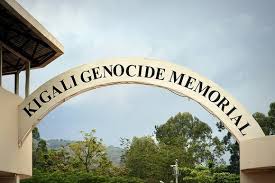


A Journey of Remembrance and Understanding
Embark on a profoundly meaningful half-day tour of the Kigali Genocide Memorial, Rwanda's national memorial to the victims of the 1994 genocide against the Tutsi. Located in Gisozi where over 250,000 victims are buried, this memorial serves not only as a place of remembrance but also as an educational center dedicated to preventing future genocides worldwide. This guided tour provides essential context for understanding modern Rwanda, offering insights into the events of 1994, the historical background that led to the genocide, and Rwanda's extraordinary journey of reconciliation and renewal. More than a historical site, this visit helps explain the resilience, unity, and progress that define Rwanda today.
⚠️ Important Visitor Guidelines
The Kigali Genocide Memorial is first and foremost a place of remembrance and respect. Visitors are expected to maintain appropriate decorum throughout their visit. Photography is restricted in certain areas (clearly marked), and visitors should dress modestly and behave respectfully. This is not a typical tourist attraction but a memorial to victims of genocide. The experience can be emotionally challenging, but it is essential for understanding Rwanda's history and present reality. Children under 12 are generally not recommended to visit the main exhibition areas due to the graphic nature of some content.
Tour Highlights:
- Main Exhibition: Comprehensive historical narrative of the genocide and its context
- Mass Graves: Final resting place for over 250,000 genocide victims
- Children's Memorial: Heartbreaking tribute to the youngest victims
- Wall of Names: Ongoing project to record names of all victims
- Gardens of Reflection: Beautifully landscaped areas for contemplation
- Documentation Center: Archives preserving testimonies and records
- Exhibition on Other Genocides: Comparative understanding of genocide globally
- Educational Programs: Insights into Rwanda's reconciliation journey
Why This Memorial is Essential for Understanding Rwanda?
Historical Context: Essential for understanding modern Rwanda's policies, social cohesion, and development priorities.
Reconciliation Education: Demonstrates how Rwanda has rebuilt from tragedy through innovative reconciliation programs.
Global Relevance: Provides insights into genocide prevention and post-conflict recovery applicable worldwide.
Human Stories: Moves beyond statistics to humanize both victims and the resilience of survivors.
Transformation Understanding: Helps explain Rwanda's remarkable progress and national unity since 1994.
Respectful Tribute: Opportunity to pay respects to victims and acknowledge this tragic chapter in human history.
Educational Mission: Part of Rwanda's commitment to "Never Again" through education and remembrance.
Detailed Tour Itinerary
HALF DAY: MEMORIAL VISIT & REFLECTION
Morning or Afternoon Pick-up (Flexible): Your guide will pick you up from your Kigali hotel at agreed time (typically 8:30 AM or 1:30 PM).
Pre-Visit Briefing (15 minutes): Important preparation before arrival:
- Context about the memorial's significance and purpose
- Visitor guidelines and respectful behavior expectations
- Explanation of the memorial's layout and sections
- Opportunity to ask preliminary questions
- Emotional preparation for the experience
Arrival at Memorial (30 minutes after pick-up): Arrive at the Kigali Genocide Memorial in Gisozi.
- Entrance and initial orientation
- Donation to support the memorial's work (suggested $15 per person)
- Brief explanation of the memorial's architecture and symbolism
- Moment of reflection at the entrance
Main Exhibition Tour (60-90 minutes): Guided exploration of the comprehensive indoor exhibition:
- Section 1: Historical Context: Pre-colonial Rwanda, colonial divide-and-rule policies, independence struggles
- Section 2: The Genocide: Detailed timeline from April 7, 1994, through the 100 days of killing
- Section 3: International Response: Role (and failure) of international community including UN and foreign governments
- Personal Testimonies: Survivor stories, photographs, and personal artifacts
- Multimedia Presentations: Documentary films and audio testimonies
- Children's Memorial: Particularly moving section dedicated to children killed, with photos and brief biographies
- Global Genocides Exhibition: Contextualizing Rwanda within history of other genocides (Armenian, Holocaust, Cambodia, Bosnia)
Outdoor Memorial Gardens (30 minutes): Walk through the beautifully landscaped gardens:
- Mass Graves: Final resting place for over 250,000 victims, with explanation of burial ceremonies
- Wall of Names: Ongoing project to record names of all victims (currently over 12,000 names)
- Rose Garden: Each rose represents a country that lost citizens in the genocide
- Gardens of Reflection: Designed for quiet contemplation with symbolic plantings
- Memorial Flame: Eternal flame of remembrance
- Documentation Center: Explanation of ongoing research and archival work
Reconciliation Exhibition (20 minutes): Focus on post-genocide Rwanda:
- Rwanda's remarkable recovery and reconstruction
- Gacaca traditional justice system and its role in reconciliation
- National unity and reconciliation programs
- Stories of forgiveness and coexistence
- Rwanda's development progress since 1994
Time for Personal Reflection (15-30 minutes): Unstructured time for:
- Private contemplation in the gardens
- Visiting the memorial bookshop (books, documentaries, educational materials)
- Optional donation to support memorial programs
- Quiet reflection space
Post-Visit Discussion (During Return Journey): Important debriefing with your guide:
- Processing the experience and emotions
- Connecting the history to contemporary Rwanda
- Understanding Rwanda's reconciliation journey
- Answering questions that arose during the visit
- Discussing how this history informs Rwanda's present and future
Return to Hotel (3-4 hours after pick-up): Drop-off at your Kigali hotel with:
- Recommendations for further reading or resources
- Suggestions for rest or lighter activities after the emotional experience
- Information about other relevant sites if interested in further learning
Tour Flexibility: This experience can be adjusted based on:
- Visitor's prior knowledge of Rwandan history
- Emotional readiness and pace preferred
- Specific interests (more focus on historical context, reconciliation, or memorial architecture)
- Time constraints (shorter or longer versions available)
About the Kigali Genocide Memorial
Establishment: The Kigali Genocide Memorial at Gisozi was inaugurated on April 7, 2004, to mark the 10th commemoration of the genocide. It was built by the Kigali City Council and the Aegis Trust (a UK-based genocide prevention organization).
Purpose and Mission: The memorial serves three primary purposes:
- Place of Remembrance: To provide a dignified final resting place for victims and a space for survivors to honor their loved ones
- Educational Center: To educate visitors about the causes and consequences of the genocide, and about genocide prevention globally
- Documentation Hub: To document and preserve evidence, testimonies, and records related to the genocide
Architecture and Symbolism: The memorial's design incorporates meaningful elements:
- Circular forms representing unity and the cycle of life
- Use of local materials connecting to Rwandan tradition
- Gardens designed for reflection with symbolic plantings
- Archival buildings preserving documents for future generations
Ongoing Work: The memorial continues to develop through:
- The Wall of Names project to record all victims' names
- Educational programs for Rwandan schools and international visitors
- Research on genocide prevention and reconciliation
- Support for survivors and their communities
Funding and Support: The memorial operates through a combination of visitor donations, government support, and international partnerships. All donations directly support memorial operations and educational programs.
Understanding Rwanda's Reconciliation Journey
From Tragedy to Transformation: Rwanda's recovery since 1994 represents one of the most remarkable national transformations in modern history. The memorial tour provides context for understanding this journey.
Key Elements of Reconciliation:
- Gacaca Community Courts: Traditional justice system adapted to process genocide cases, promoting truth-telling and community healing
- National Unity and Reconciliation Commission: Government body leading reconciliation programs and promoting shared national identity
- Education Reform: Revised curriculum promoting unity, critical thinking, and genocide prevention
- Commemoration and Memory: Annual genocide commemoration period (Kwibuka) and memorials across the country
- Economic Integration: Policies promoting shared economic opportunities across ethnic lines
- Language of Unity: Moving beyond divisive colonial categories to focus on Rwandan identity
Results and Challenges:
- Remarkable Progress: Rwanda is now one of Africa's safest, cleanest, and most progressive nations
- Ongoing Healing: While remarkable progress has been made, healing from such trauma is a generational process
- Memory and Justice Balance: Balancing remembrance with forward-looking development
- International Recognition: Rwanda's reconciliation model studied worldwide for post-conflict recovery
Visitor's Role: By visiting the memorial respectfully and learning about this history, visitors contribute to the memorial's educational mission and support Rwanda's commitment to "Never Again."
Practical Information for Your Memorial Visit
Best Time to Visit: The memorial is open daily from 8:00 AM to 5:00 PM (last entry at 4:00 PM). Mornings are generally less crowded. The memorial is closed on the last Saturday of each month for maintenance.
Combination with Other Tours: This half-day tour is often combined with:
- Morning visit followed by lighter Kigali city touring in afternoon
- Afternoon visit after morning city tour
- Arrival day before gorilla or wildlife safaris (provides essential context)
- Departure day before evening flights
Photography Guidelines:
- No photography inside the main exhibition buildings (clearly marked)
- Photography permitted in outdoor gardens and certain designated areas
- Always be respectful - this is a memorial, not a typical tourist site
- When in doubt, ask staff or your guide
Donations: A donation of approximately $15 per person is suggested (not included in tour price). Donations directly support the memorial's educational programs and maintenance.
Visitor Support: Memorial staff and guides are trained to support visitors who may find the experience emotionally challenging. Counseling support is available if needed.
Expert Guidance
Knowledgeable guides provide historical context and sensitive support throughout the emotional experience
Respectful Experience
Carefully structured visit ensuring appropriate decorum and meaningful engagement with difficult history
Educational Focus
Comprehensive understanding of historical context, events, and Rwanda's reconciliation journey
Emotional Support
Guidance in processing challenging content with opportunities for reflection and discussion
Essential Guidelines for Your Memorial Visit
- Respectful Attire: Modest clothing is appropriate. This is a place of mourning and remembrance.
- Behavior: Maintain quiet, respectful demeanor. This is not a typical tourist attraction.
- Emotional Preparation: Be prepared for emotionally challenging content. The Children's Memorial section is particularly moving.
- Photography Restrictions: Strictly observe no-photography areas inside exhibition buildings.
- Donations: Consider making a donation to support the memorial's important work.
- Children: Not recommended for children under 12 due to graphic content.
- Questions: Save questions for discussion areas or after leaving exhibition spaces.
- Pace Yourself: Take breaks if needed. The outdoor gardens provide space for reflection.
- Follow Guidelines: Always follow instructions from memorial staff and your guide.
- Post-Visit Care: Plan some quiet time after your visit for processing the experience.
What's Included & Excluded
Included in Tour Package:
- Professional English-speaking guide specializing in memorial visits
- All transportation in comfortable vehicle
- Hotel pick-up and drop-off in Kigali
- Pre-visit briefing and post-visit discussion
- Bottled drinking water
- All government taxes and VAT
Excluded from Tour Package:
- International flights to/from Kigali
- Visa fees for Rwanda (most nationalities get visa on arrival)
- Travel and medical insurance (recommended)
- Memorial donation (suggested $15 per person, payable at memorial)
- Tips for guides and drivers
- Meals and beverages (unless specified)
- Souvenirs or materials from memorial bookshop
- Additional activities not specified in itinerary
Preparation
Pre-visit briefing & contextual understanding
Main Exhibition
Historical context & events of 1994 genocide
Memorial Gardens
Mass graves, Wall of Names & reflection spaces
Integration
Post-visit discussion & connection to modern Rwanda
Historical Understanding
Gain comprehensive understanding of the 1994 genocide against the Tutsi through detailed exhibitions, survivor testimonies, and expert guidance that explains the historical context, events, and immediate aftermath
Educational Journey
Learn about genocide prevention globally and Rwanda's remarkable reconciliation journey through exhibits on other genocides and Rwanda's innovative approaches to justice, healing, and national unity since 1994
Ready for This Essential Historical Experience?
Book now for a profoundly meaningful visit to the Kigali Genocide Memorial - an essential experience for understanding Rwanda's past and present. This carefully guided tour provides the context, sensitivity, and support needed to engage respectfully with this important history and gain deeper appreciation for Rwanda's remarkable journey.
Book This Tour NowContact our travel specialists to combine your memorial visit with other Kigali experiences or Rwanda safaris.