

Discover Rwanda's Newest National Park
Embark on a 2-day adventure to Gishwati-Mukura National Park, Rwanda's fourth national park and one of Africa's most inspiring conservation success stories. Established in 2016, this park comprises two separate forest reserves - Gishwati and Mukura - that have undergone remarkable regeneration. Once severely degraded by deforestation and agriculture, these forests are now protected areas undergoing restoration and serving as vital habitats for chimpanzees and other wildlife. This tour offers chimpanzee tracking, forest walks, bird watching, and insights into community-based conservation that makes Gishwati-Mukura a model for sustainable forest management in Africa.
⚠️ Conservation Success Story
Gishwati-Mukura represents one of Africa's most dramatic forest recovery stories. By the early 2000s, the Gishwati Forest had been reduced to less than 1,000 hectares from its original 28,000 hectares due to deforestation for agriculture and settlement. Through concerted conservation efforts led by the Rwandan government and partners including the Great Ape Trust and Forest of Hope Association, the forest is now protected as a national park and is gradually recovering. This park demonstrates how degraded landscapes can be restored and become valuable conservation areas that benefit both wildlife and local communities.
Tour Highlights:
- Chimpanzee Tracking: Track one of Rwanda's chimpanzee families in their forest habitat
- Forest Walks: Explore regenerating montane forest with knowledgeable guides
- Conservation Insights: Learn about forest restoration and community-based conservation
- Bird Watching: Spot some of the park's 232 bird species including Albertine Rift endemics
- Community Visits: Interact with local communities involved in park conservation
- Photography: Capture forest landscapes, wildlife, and conservation activities
- Educational Experience: Understand Rwanda's innovative approach to conservation
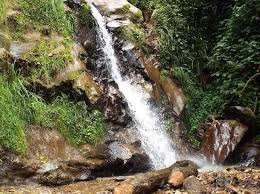
- Scenic Beauty: Enjoy beautiful views of forest and surrounding landscapes
Why Gishwati-Mukura is Special?
Newest National Park: Established in 2016, offering fresh, uncrowded experiences compared to more established parks.
Conservation Model: Demonstrates successful community-integrated conservation where local people benefit from and participate in forest protection.
Accessible Experience: Less challenging than Nyungwe Forest, making it suitable for various fitness levels.
Educational Value: Excellent opportunity to learn about forest restoration and conservation challenges in Africa.
Supporting Recovery: Tourism directly supports ongoing forest regeneration and community development.
Combination Potential: Easily combined with Lake Kivu relaxation or other western Rwanda experiences.
Detailed Tour Itinerary
DAY 1: KIGALI TO GISHWATI-MUKURA & FOREST EXPLORATION
Morning Departure: Pick up from Kigali International Airport or your Kigali hotel. Departure around 8:00 AM.
Scenic Drive West: Journey through Rwanda's beautiful western province with views of rolling hills, tea plantations, and rural villages.
Lake Kivu Views: Enjoy glimpses of Lake Kivu as you approach the park area.
Arrival at Park: Arrive at Gishwati-Mukura National Park headquarters for registration and briefing.
Conservation Introduction: Briefing about the park's history, conservation success story, and current restoration efforts.
Lunch: Enjoy lunch at a local restaurant or with packed lunch depending on arrangements.
Afternoon Forest Walk: Begin your exploration with a guided forest walk in either Gishwati or Mukura forest section.
Forest Experience: Walk through regenerating montane forest, learning about:
- Forest ecology and biodiversity
- Restoration techniques and challenges
- Indigenous tree species and their importance
- Wildlife signs and tracking
Bird Watching: Keep an eye out for some of the park's 232 bird species, including forest specialists.
Community Interaction: Visit a community project or meet local guides to understand community involvement in conservation.
Check-in to Accommodation: Settle into your lodge or guesthouse near the park.
Evening Relaxation: Time to relax and enjoy the peaceful surroundings.
Dinner & Discussion: Dinner with discussion about conservation challenges and successes in the area.
Overnight: Stay near the park, ready for next day's chimpanzee tracking.
DAY 2: CHIMPANZEE TRACKING & RETURN TO KIGALI
Early Breakfast: Breakfast at your accommodation in preparation for chimpanzee tracking.
Transfer to Tracking Start Point: Short transfer to the starting point for chimpanzee tracking.
Tracking Briefing: Detailed briefing from park guides about:
- Chimpanzee behavior and identification
- Safety protocols and tracking etiquette
- What to expect during the tracking experience
- Conservation guidelines
Begin Chimpanzee Tracking: Start your chimpanzee tracking adventure with experienced guides and trackers.
Tracking Experience: Walk through forest trails searching for chimpanzee signs (nests, feeding remains, vocalizations).
Chimpanzee Encounter: Upon locating the chimpanzee family, spend time observing their behavior (typically 1 hour).
Behavior Observation: Watch chimpanzees feed, socialize, and move through the forest.
Photography Opportunities: Capture memories of your chimpanzee encounter (no flash photography).
Return from Tracking: Walk back to the starting point, discussing the experience with your guide.
Late Morning Options: After chimpanzee tracking, choose additional activities:
- Extended Forest Walk: Explore different forest trails
- Bird Watching Focus: Specialist bird watching with guide
- Community Project Visit: Visit bee-keeping, tree nursery, or other community initiatives
- Scenic Viewpoints: Visit viewpoints overlooking the forest and surrounding landscape
Lunch: Enjoy lunch before departing the park area.
Check-out & Departure: Begin your journey back to Kigali.
Scenic Return Drive: Return journey with opportunities for:
- Photography stops at scenic viewpoints
- Visits to local markets or craft centers
- Tea plantation visits (depending on route)
Kigali Arrival: Arrive in Kigali by late afternoon.
Optional Kigali Activities: Depending on your flight schedule:
- Visit the Kigali Genocide Memorial (highly recommended)
- Local crafts market for souvenirs
- Coffee shop to taste Rwanda's famous coffee
Airport Transfer: Drop off at Kigali International Airport for your departure flight.
Tour Extension Options: This tour combines well with:
- Lake Kivu relaxation (very close proximity)
- Nyungwe Forest chimpanzee or canopy walk experiences
- Volcanoes National Park gorilla trekking
- Extended Rwanda exploration
The Gishwati-Mukura Conservation Story
Historical Context: Gishwati Forest was once part of a vast forest belt that stretched across Rwanda. By the early 2000s, only about 600 hectares remained due to deforestation for agriculture, livestock grazing, and settlement following the 1994 genocide.
Conservation Intervention: In 2007, the Great Ape Trust (now the Iowa Primate Learning Sanctuary) began conservation work in Gishwati. This led to the establishment of the Gishwati Area Conservation Program and eventual national park status in 2016.
Forest Restoration: Through reforestation, natural regeneration, and protection, the forest area has significantly increased. Indigenous tree species are being restored, and wildlife populations are recovering.
Community Integration: Local communities are actively involved in conservation through employment as guides and rangers, participation in reforestation, and development of sustainable livelihoods like beekeeping and eco-tourism.
Current Status: Gishwati-Mukura National Park now covers 34 km² and protects important populations of chimpanzees, monkeys, and numerous bird species. It serves as a model for community-based forest restoration in Africa.
Tourism Role: Visitor revenue supports conservation efforts and provides economic benefits to local communities, creating incentives for continued forest protection.
Bird Watching in Gishwati-Mukura
Bird Diversity: Gishwati-Mukura National Park is home to 232 bird species, including several that are endemic to the Albertine Rift region. The regenerating forest provides habitat for both forest specialists and more generalist species.
Key Species to Look For:
- Albertine Rift Endemics: Species found only in this mountain region
- Forest Specialists: Birds that require forest habitat
- Raptors: Various birds of prey hunting in and around the forest
- Sunbirds: Colorful nectar feeders attracted to flowering plants
- Weavers: Social birds that build elaborate nests
Best Birding Areas:
- Forest Edges: Where forest meets grassland, often rich in birdlife
- Water Sources: Streams and marshy areas within the forest
- Canopy Level: For forest canopy specialists
- Forest Clearings: Natural openings that attract different species
Birding Tips:
- Early morning (6-9 AM) is best for bird activity
- Bring binoculars for better viewing
- Listen for bird calls - your guide will help identify them
- Move quietly and slowly to avoid disturbing birds
- Consider a bird field guide for the region
Visiting a "New" National Park: What to Expect
Less Developed Infrastructure: Compared to Rwanda's more established parks like Volcanoes or Akagera, Gishwati-Mukura has simpler facilities. This means fewer tourists and a more "wild" experience.
Educational Focus: Visits to Gishwati-Mukura often have a stronger educational component about conservation and restoration compared to purely recreational park visits.
Community Interaction: Greater opportunity to interact with local communities involved in conservation efforts.
Regenerating Landscape: The forest is visibly recovering but may show signs of past degradation. This provides unique insights into conservation challenges and successes.
Supporting Conservation: Your visit directly contributes to ongoing restoration efforts and community benefits.
Flexible Itineraries: As a newer destination, there may be more flexibility to tailor experiences based on visitor interests and current conditions.
Forest Regeneration
Witness ongoing forest recovery and restoration efforts
Community Focus
Learn about community-based conservation models
Educational Value
Understand conservation challenges & solutions
Gentle Exploration
Accessible forest walks suitable for various fitness levels
Essential Tips for Your Gishwati-Mukura Visit
- Footwear: Comfortable walking shoes or lightweight hiking boots with good grip.
- Clothing: Light, breathable clothing in neutral colors. Long pants and long sleeves recommended for forest walking.
- Rain Preparation: Waterproof jacket or poncho - weather can change quickly in forest areas.
- Camera Equipment: Bring your camera! Consider a zoom lens for wildlife photography. No flash for chimpanzee viewing.
- Binoculars: Highly recommended for bird watching and wildlife observation.
- Health Considerations: Inform your guide of any health issues. Chimpanzee tracking requires basic fitness.
- Follow Guidelines: Always follow park rules and guide instructions, especially during chimpanzee encounters.
- Respect Wildlife: Maintain appropriate distance from animals, don't feed wildlife, keep noise levels low.
- Support Local: Consider purchasing crafts or products from community initiatives to support local livelihoods.
- Open Mindset: This is a regenerating forest - appreciate the conservation story as well as the current biodiversity.
What's Included & Excluded
Included in Tour Package:
- Chimpanzee tracking permit for Gishwati-Mukura National Park
- All park entry fees and conservation fees
- Professional English-speaking guide
- 1 night accommodation near the park
- All meals (breakfast, lunch, dinner) during the tour
- Airport transfers and all ground transportation
- Bottled drinking water in vehicle
- Government taxes and VAT
Excluded from Tour Package:
- International flights to/from Kigali
- Visa fees for Rwanda (most nationalities get visa on arrival)
- Travel and medical insurance (recommended)
- Optional activities (additional forest walks, community visits)
- Tips for guides, drivers, accommodation staff
- Alcoholic drinks and premium beverages
- Souvenirs and items of personal nature
- Meals in Kigali (except when included in itinerary)
- Kigali Genocide Memorial visit ($15 donation recommended)
Forest Exploration
Guided walk through regenerating montane forest
Chimp Tracking
Track & observe chimpanzees in their habitat
Conservation Learning
Understand forest restoration & community efforts
Return Journey
Scenic drive back to Kigali with optional stops
Forest Experience
Walk through regenerating montane forest learning about restoration, biodiversity, and conservation challenges in recovering ecosystems
Wildlife Encounter
Track chimpanzees and observe other forest wildlife while supporting conservation efforts that protect these species in their recovering habitat
Ready to Discover Rwanda's Conservation Success?
Book now to experience Gishwati-Mukura National Park - a living example of forest restoration and community-based conservation. Support ongoing recovery efforts while enjoying chimpanzee tracking, forest walks, and meaningful interactions in Rwanda's newest national park.
Book This Tour NowContact our travel specialists to combine your Gishwati-Mukura visit with Lake Kivu relaxation or other western Rwanda experiences.