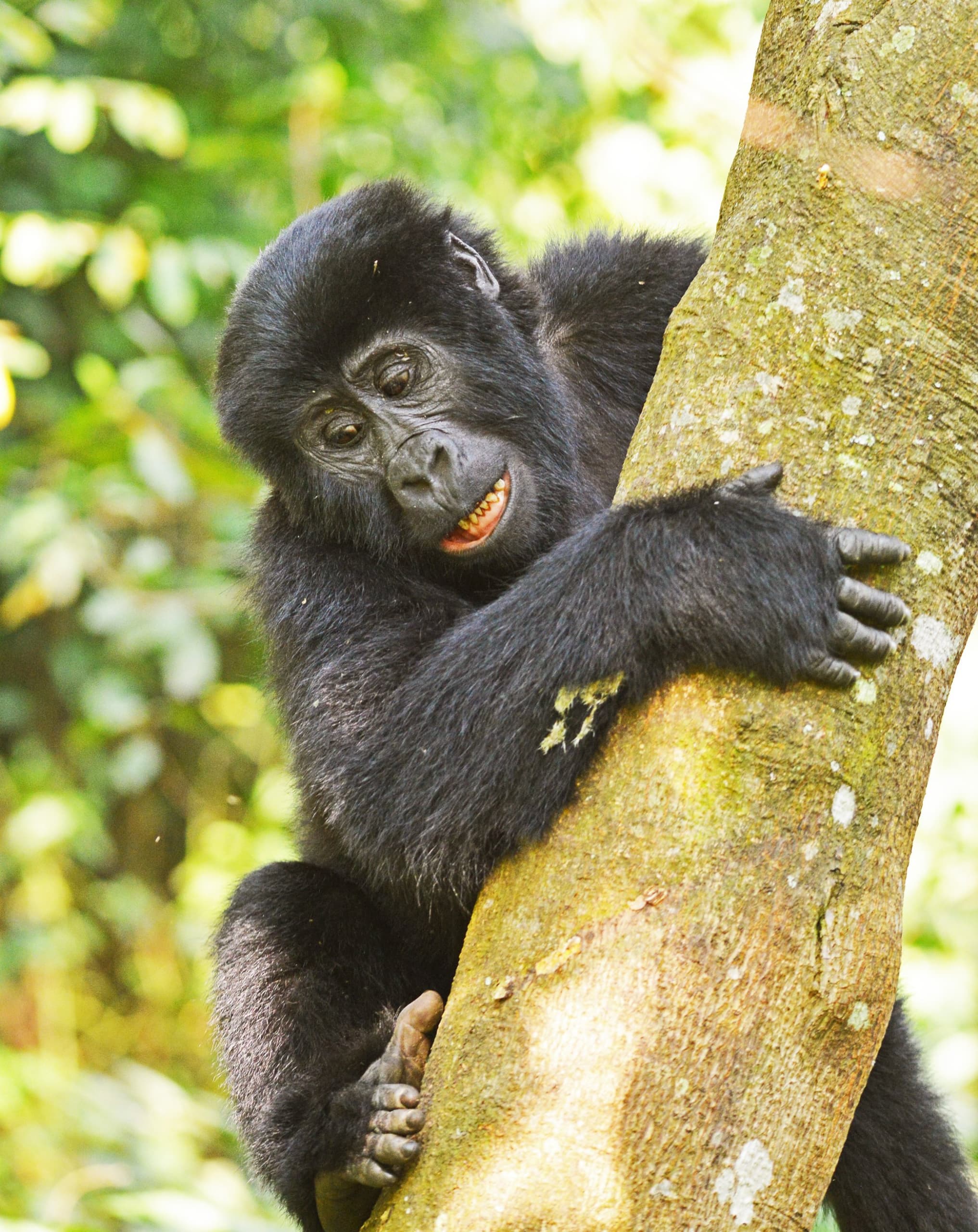
Join the Habituation Process - 4 Hours with Wild Gorillas
Experience a truly unique and extended gorilla encounter through the gorilla habituation process in Virunga National Park. Unlike regular gorilla trekking where you spend one hour with fully habituated gorillas, this experience allows you to join researchers and trackers for an extended 4-hour period with a gorilla family that is being habituated to human presence. This is a rare opportunity to witness the gradual process of gorillas becoming accustomed to human observers, offering deeper insights into their behavior, social dynamics, and the conservation efforts that make gorilla tourism possible. Limited to just 4 visitors per day, this exclusive experience provides unparalleled access and learning opportunities.
Habituation Experience Highlights:
- Extended Gorilla Encounter: 4 hours with gorillas instead of 1 hour
- Research Participation: Accompany researchers and trackers in their work
- Small Group: Maximum 4 visitors per day for minimal disturbance
- Behavioral Observation: Witness natural behaviors over extended period
- Habituation Process: Learn how gorillas become accustomed to humans
- Scientific Insights: Direct interaction with conservation researchers
- Photography Opportunities: Extended time for photography in natural light
- Conservation Contribution: Direct support for habituation and research programs
- Exclusive Access: Limited permits available for this unique experience
Detailed Habituation Experience Itinerary
DAY 1: ARRIVAL & HABITUATION BRIEFING
Arrival in Goma: Collection from Goma International Airport or Rwanda border crossing.
Transfer to Accommodation: Drive to your lodge near Virunga National Park.
Welcome & Check-in: Settle into your accommodation with views of the park.
Meet Research Team: Introduction to habituation researchers and trackers.
Comprehensive Briefing: Detailed briefing about gorilla habituation process:
- History of gorilla habituation in Virunga
- Scientific goals of habituation programs
- Behavioral observation techniques
- Safety protocols for semi-habituated gorillas
- Research methodologies you'll witness
- Expected gorilla behaviors and responses
Equipment Check: Ensure you have appropriate gear for extended trekking.
Health Requirements: Special health briefing for extended contact.
Meet Your Guide: Introduction to your specialized habituation guide.
Research Discussion: Opportunity to discuss gorilla research with scientists.
Evening Preparation: Pack daypack for extended day in forest.
Early Dinner: Energy-packed dinner for next day's early start.
Early Night: Rest well for tomorrow's demanding but rewarding day.
Final Instructions: Last-minute instructions from research team.
DAY 2: GORILLA HABITUATION EXPERIENCE
Very Early Start: Wake before dawn (5:00 AM) for quick breakfast.
Transfer to Park: Drive to park headquarters in darkness.
Research Briefing: Final briefing with researchers about target gorilla family.
Meet Trackers: Introduction to trackers who located gorillas previous day.
Begin Trekking: Start hiking into forest as dawn breaks (6:00 AM).
Extended Trek: Potentially longer trek to find semi-habituated gorillas.
Tracking Process: Witness tracking techniques and sign reading.
First Contact: Initial sighting of gorilla family - observe from distance.
Habituation Observation: Watch how gorillas react to human presence.
Researcher Guidance: Researchers explain behaviors and habituation progress.
Extended Observation: 4 hours of continuous gorilla observation:
- Feeding behaviors and dietary observations
- Social interactions and hierarchy dynamics
- Parenting behaviors and infant development
- Communication through vocalizations and gestures
- Resting patterns and daily rhythms
- Response to human presence over time
Research Activities: Observe researchers recording data and observations.
Photography Sessions: Extended time for photography in changing light.
Field Lunch: Packed lunch eaten at observation site (maintaining distance).
Behavioral Changes: Notice how gorilla behavior changes over 4 hours.
Final Observations: Last hour of focused observation and photography.
Depart Gorillas: Carefully leave gorilla family as researchers continue work.
Trek Back: Return hike to starting point, discussing observations.
Research Debrief: Formal debrief with researchers about day's observations.
Certificate Presentation: Receive special habituation experience certificate.
Return to Lodge: Transfer back for well-deserved rest.
Celebration & Discussion: Share experiences and observations with team.
Optional Activities: Depending on time:
- Visit to research station
- Discussion with conservationists
- Review of research data collected
Departure: Transfer to airport or border for onward journey.
Understanding Gorilla Habituation
Gorilla habituation is the gradual process of wild gorillas becoming accustomed to the presence of humans. This process typically takes 2-5 years and involves daily visits by researchers who slowly decrease their distance from the gorillas while observing strict protocols. The gorillas you'll observe are in various stages of this process - some may be wary while others are more accepting. This extended observation allows you to witness behaviors rarely seen during one-hour visits with fully habituated groups.
Your participation contributes directly to gorilla research and conservation. The extended observation period provides researchers with additional behavioral data, while your permit fees fund the habituation program itself. You'll witness data collection methods including behavioral sampling, photographic identification, and health monitoring. This experience offers insight into how scientific research informs conservation strategies.
While regular gorilla trekking offers a magical one-hour encounter with habituated gorillas, the habituation experience provides deeper scientific understanding and extended observation time. With habituated groups, gorillas largely ignore human observers. With semi-habituated groups, you'll see more natural behaviors and witness how gorillas gradually accept human presence. The experience is more demanding physically and requires greater patience but offers unique rewards.
Habituation is essential for gorilla conservation. Without habituated groups, tourism (which funds protection) wouldn't be possible. Your participation supports: 1) Direct funding for habituation teams, 2) Salaries for researchers and trackers, 3) Equipment for monitoring, and 4) Community programs that reduce pressure on park resources. You're contributing to the creation of future tourism opportunities while supporting current conservation efforts.
Essential Habituation Experience Information
Essential for potentially longer, more challenging trek
For 4+ hours in forest with extra water and supplies
Extended time in forest means weather changes
3-4 liters minimum for extended time in forest
For recording observations and questions
Extra batteries/memory for extended photography
Essential for maintaining energy over 4+ hours
Optional small stool for comfortable observation
What's Included in Habituation Experience:
- Habituation Permit: Special permit for 4-hour gorilla encounter
- Research Access: Accompany researchers and trackers
- Expert Guidance: Specialized habituation guide
- Research Briefings: Comprehensive scientific briefings
- Accommodation: 1 night at park-edge lodge
- All Meals: From dinner Day 1 to lunch Day 2
- Transport: All ground transportation as per itinerary
- Porter Support: Porter for extended trekking day
- Certificate: Special habituation experience certificate
- Conservation Contribution: Direct funding for habituation program
This experience is physically demanding - you'll be hiking potentially longer distances and spending 4+ hours observing gorillas, often in challenging positions. Mental stamina is equally important - maintaining focus during extended observation requires concentration. Participants should be in good physical condition and prepared for a more demanding experience than regular gorilla trekking. Minimum age is 18 due to the extended duration and need for sustained focus.
Essential Tips for Habituation Experience
Research First: Read about gorilla behavior before your visit. Patience Required: This is observation, not entertainment - patience is essential. Fitness Preparation: Train for longer hiking and standing periods. Learning Orientation: Come with questions and curiosity about research.
Follow Researcher Lead: Always follow instructions from research team. Minimal Movement: Limit movement to avoid disturbing gorillas. Observation Skills: Practice focused observation of behaviors. Question Timing: Ask questions during appropriate moments (not during critical observations).
Extended Time: You have time - don't rush photography. Behavioral Shots: Focus on capturing behaviors, not just portraits. Light Changes: Be prepared for changing light over 4 hours. Discreet Equipment: Use quiet shutters and avoid unnecessary movements.
Extended Exposure: Health requirements are stricter due to longer contact time. Immune System: Ensure you're not carrying any illness. Physical Limits: Know your limits for standing/observing. Hydration & Nutrition: Maintain energy over extended period.
Best Time for Habituation Experience:
- Dry Seasons (Recommended): June-September & December-February
- Research Considerations: Some behaviors are seasonal - discuss with researchers
- Visibility: Dry seasons offer better visibility in forest
- Accessibility: Trails are more accessible in dry conditions
- Year-Round: Habituation work continues year-round
- Research Cycles: Ask about current research focus when booking
Limited Access: Only 4 habituation permits available per day in Virunga. Research Priority: Gorilla welfare and research always come before tourism. Weather Dependent: Experience may be modified based on weather and gorilla movements. Scientific Contribution: Your observations may contribute to published research.
Ready for This Unique Gorilla Experience?
Join researchers for an extended 4-hour encounter with gorillas being habituated to human presence. Limited to just 4 visitors per day - book early for this exclusive experience.
Book This Habituation ExperienceContact our conservation specialists for current research focus and permit availability.