The World's Greatest Wildlife Spectacle Across Two Countries
Experience the ultimate Great Migration safari as you follow the epic journey of over 1.5 million wildebeest, zebra, and gazelle across the border between Kenya's Maasai Mara and Tanzania's Serengeti. This 10-day cross-border safari offers the complete migration experience, witnessing river crossings, predator action, and the sheer scale of this natural wonder from both sides of the border. With expert guides tracking the herds' movements and luxury camps positioned in prime locations, you'll have front-row seats to nature's most dramatic performance - the continuous cycle of life, death, and rebirth on the African savanna.
Safari Highlights:
- River Crossings: Witness dramatic Mara River crossings with crocodile action
- Cross-Border Perspective: Experience migration from both Kenya and Tanzania sides
- Expert Tracking: Guides with years of migration pattern knowledge
- Predator Action: Lions, leopards, cheetahs, and hyenas following the herds
- Luxury Mobile Camps: Stay in camps that move with the migration
- Hot Air Balloon Safari: Optional aerial view of migration (extra cost)
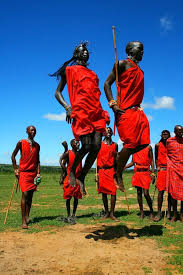
- Cultural Encounters: Visit Maasai communities in both countries
- Photographic Paradise: Unlimited opportunities for wildlife photography
- Flexible Itinerary: Adaptable based on migration movements
- Small Group Experience: Maximum 6 guests per vehicle
- Professional Guides: Bi-lingual guides knowledgeable about both ecosystems
- Border Logistics: Seamless border crossing between Kenya and Tanzania
Best Months: July-October
Highlight: Mara River crossings
Landscape: Rolling grasslands, riverine forests
Unique: Higher density of predators
Best Months: November-July
Highlight: Calving season, Grumeti River
Landscape: Vast plains, kopjes, woodlands
Unique: Larger area, more remote
Great Migration Calendar - Where to Be When
January-March: Southern Serengeti - Calving season (500,000 calves born)
April-May: Central Serengeti - Moving northwest, rainy season
June-July: Western Corridor - Grumeti River crossings
August-October: Northern Serengeti & Maasai Mara - Mara River crossings
November-December: Returning to Southern Serengeti - Completing the cycle
Note: This safari is timed for August-October when herds are crossing between Tanzania and Kenya, but can be adapted for other seasons.
Detailed Migration Safari Itinerary
DAY 1: ARRIVE NAIROBI, KENYA ORIENTATION
Nairobi Arrival: Arrive at Jomo Kenyatta International Airport, Nairobi.
Airport Transfer: Meet your guide and transfer to your Nairobi hotel.
City Orientation: Depending on arrival time, brief orientation of Nairobi.
Migration Briefing: Comprehensive overview of the Great Migration and 10-day itinerary.
Equipment Check: Review of photography equipment and safari gear.
Lunch: Lunch at hotel or Nairobi restaurant.
Afternoon Options:- Visit Nairobi National Museum
- Relax at hotel to recover from travel
- Visit Sheldrick Elephant Orphanage (if timing aligns)
- Last-minute shopping for safari essentials
Welcome Dinner: Special welcome dinner with your guide and fellow travelers.
Hotel Check-in: Overnight at comfortable Nairobi hotel.
Early Night: Rest for early departure tomorrow.
DAY 2: NAIROBI TO MASAI MARA, AFTERNOON GAME DRIVE
Early Breakfast: Breakfast before departing for Maasai Mara.
Scenic Drive: Journey through the Great Rift Valley with photo stops.
Rift Valley Viewpoint: Stop at Escarpment for panoramic views.
Continue to Mara: Drive through Maasai lands to Maasai Mara National Reserve.
Lunch en route: Picnic lunch or stop at lodge along the way.
Lodge/Camp Check-in: Arrive at your luxury camp or lodge in Maasai Mara.
Settle In: Time to freshen up and settle into your accommodation.
Afternoon Game Drive: First game drive in Maasai Mara, searching for wildlife.
Migration Tracking: Begin looking for signs of migrating herds.
Sundowner: Sunset drinks at scenic viewpoint.
Return to Camp: Return as darkness falls.
Evening Briefing: Guide briefing on migration movements and next day's plan.
Dinner: Dinner under the stars (weather permitting).
Night Sounds: Listen to sounds of the African night from your tent/lodge.
DAY 3: FULL DAY MASAI MARA MIGRATION EXPERIENCE
Pre-dawn Wake-up: Early wake-up with tea/coffee delivered to your tent.
Morning Game Drive: Depart at first light for best wildlife viewing.
Predator Activity: Look for lions, cheetahs, and leopards hunting in morning light.
Breakfast in Bush: Bush breakfast at scenic location.
Migration Search: Continue searching for migrating herds.
River Area Exploration: Focus on Mara River area for potential crossings.
Lunch: Picnic lunch in the bush or return to camp depending on sightings.
Afternoon Drive: Continue migration tracking and wildlife viewing.
River Crossing Potential: Wait at possible crossing points (patience required).
Cultural Visit: Visit Maasai village to learn about their culture and coexistence with wildlife.
Sundowner: Evening drinks overlooking the Mara plains.
Return to Camp: Return for evening relaxation.
Dinner: Dinner with stories of the day's sightings.
Optional Night Drive: Some camps offer night drives (extra cost).
DAY 4: MASAI MARA TO SERENGETI - BORDER CROSSING
Early Morning Game Drive: Final Mara game drive focusing on any missed sightings.
Breakfast: Return to camp for breakfast.
Check-out: Depart from Maasai Mara camp/lodge.
Drive to Border: Journey to Kenya-Tanzania border at Isebania/Sirari.
Border Crossing: Complete immigration formalities crossing into Tanzania.
Meet Tanzania Team: Change to Tanzania vehicle and guide (or same guide if licensed for both countries).
Drive to Serengeti: Continue to Serengeti National Park.
Lunch en route: Stop for lunch during the journey.
Enter Serengeti: Pass through Serengeti gate with paperwork.
Game Drive to Camp: Afternoon game drive en route to your Serengeti accommodation.
Camp/Lodge Check-in: Arrive at your Serengeti camp or lodge.
Comparison Discussion: Discuss differences between Mara and Serengeti ecosystems.
Dinner: Dinner with anticipation for Serengeti migration experiences.
Serengeti Night Sounds: Experience sounds of the Serengeti night.
DAY 5: NORTHERN SERENGETI - MIGRATION HEARTLAND
Early Start: Pre-dawn wake-up for migration-focused day.
Full Day Exploration: Full day exploring Northern Serengeti migration areas.
Mara River Focus: Focus on Tanzania side of Mara River for crossings.
Breakfast in Bush: Early breakfast at productive wildlife area.
Crossing Points: Visit known crossing points along the river.
Predator Interactions: Watch for predators taking advantage of migration.
Lunch: Picnic lunch at scenic location with wildlife viewing.
Afternoon Migration Tracking: Follow herds as they move through Serengeti.
Kopje Exploration: Visit granite kopjes for lion sightings and panoramic views.
Return to Camp: Late afternoon return to accommodation.
Sundowner: Sunset drinks with vast Serengeti views.
Dinner: Dinner under African skies.
Stargazing: Excellent opportunity for stargazing with minimal light pollution.
DAY 6: CENTRAL SERENGETI - SERONERA AREA
Morning Game Drive: Early game drive in Central Serengeti (Seronera area).
Big Cat Territory: Prime area for leopard and lion sightings.
Breakfast: Return to camp for breakfast or bush breakfast.
Visitor Center: Visit Serengeti Visitor Center for educational exhibits.
Retired Hippo Pool: Visit famous hippo pool observation point.
Lunch: Lunch at camp or picnic in the bush.
Afternoon Options: Choose between:
- Additional game drive focusing on specific interests
- Nature walk with armed ranger (where permitted)
- Relaxation at camp with wildlife viewing from deck
- Photography workshop with guide
Evening Game Drive: Late afternoon/early evening game drive.
Sundowner: Final Serengeti sunset with panoramic views.
Return to Camp: Return as darkness falls.
Farewell Dinner: Special Serengeti farewell dinner.
Migration Reflections: Discussion of migration experiences so far.
DAY 7: SERENGETI TO NGORONGORO CONSERVATION AREA
Morning Game Drive: Final Serengeti game drive with breakfast en route.
Check-out: Depart from Serengeti accommodation.
Scenic Drive: Game drive en route to Ngorongoro Conservation Area.
Olduvai Gorge Visit: Stop at Olduvai Gorge Museum (Cradle of Mankind).
Maasai Cultural Interaction: Visit Maasai boma in Ngorongoro area.
Lunch: Picnic lunch or stop at lodge.
Ngorongoro Rim Drive: Spectacular drive along crater rim.
Lodge Check-in: Arrive at your crater rim lodge with breathtaking views.
Afternoon at Leisure: Time to relax and enjoy lodge facilities.
Crater Briefing: Detailed briefing about next day's Ngorongoro Crater descent.
Sundowner: Drinks with panoramic crater views.
Dinner: Dinner with anticipation for crater exploration.
Crater Rim Stroll: Short guided walk along crater rim (where permitted).
DAY 8: NGORONGORO CRATER - WORLD'S LARGEST CALDERA
Very Early Start: Early breakfast for full day in crater.
Crater Descent: Descend 600m into Ngorongoro Crater at first light.
Morning Wildlife Viewing: Best time for predator activity in crater.
Big Five Potential: Excellent chance to see all Big Five in one day.
Breakfast: Bush breakfast at scenic crater location.
Lake Magadi: Visit flamingo-filled lake in crater floor.
Lunch: Picnic lunch at Hippo Pool or Lerai Forest.
Afternoon Exploration: Continue exploring different crater habitats.
Rhino Spotting: Focus on black rhino sightings (best place in Tanzania).
Final Ascent: Begin ascent from crater in late afternoon.
Return to Lodge: Return to lodge for relaxation.
Sundowner: Final crater rim sunset views.
Celebration Dinner: Special dinner celebrating incredible wildlife experiences.
Packing Preparation: Prepare for departure next day.
DAY 9: NGORONGORO TO ARUSHA - DEPARTURE PREPARATION
Leisurely Breakfast: Breakfast with final crater views.
Check-out: Depart from crater rim lodge.
Scenic Drive to Arusha: Journey through Tanzanian highlands to Arusha.
Lunch en route: Stop for lunch at restaurant with views.
Arusha Arrival: Arrive in Arusha, Tanzania's safari capital.
Hotel Check-in: Check into Arusha hotel for final night.
Afternoon Options: Depending on arrival time:
- Visit Arusha Cultural Heritage Centre
- Last-minute souvenir shopping
- Relaxation at hotel
- Organize and backup photographs
Migration Debrief: Comprehensive review of migration experiences.
Farewell Dinner: Special farewell dinner celebrating the incredible safari.
Safari Reflections: Share favorite moments and photographs.
Final Packing: Complete packing for departure.
DAY 10: DEPARTURE OR EXTENSION OPTIONS
Final Breakfast: Breakfast with safari companions.
Morning Options: Depending on flight time:
- Additional Arusha exploration
- Visit to local markets
- Relaxation at hotel before departure
- Organize airport transfers
Check-out: Depart from hotel.
Airport Transfer: Transfer to Kilimanjaro International Airport (JRO) or Arusha Airport.
Assistance with Check-in: Help with airport procedures.
Final Farewell: Bid farewell to guide and team.
Departure: Depart with incredible migration memories and photographs.
Extension Suggestions: Add Zanzibar beach extension, Mount Kilimanjaro trek, Tarangire National Park, or Lake Manyara National Park.
The Great Migration Phenomenon
Continuous 1,800-mile clockwise journey following rains and fresh grass
Most dramatic moments as herds brave crocodile-infested rivers
Lions, hyenas, leopards, and cheetahs follow the herds for easy hunting
Most migration safaris focus on just one country, but the herds don't recognize political borders. By crossing between Kenya and Tanzania, you experience the complete migration story - from the tight river crossings of the Mara to the vast plains of the Serengeti. You'll witness different behaviors, landscapes, and photographic opportunities on each side of the border. Our cross-border approach also spreads tourism revenue between both countries, supporting conservation efforts across the entire ecosystem.
The exact timing of migration movements varies annually based on rainfall patterns. Our guides are in constant communication with other safari operators and park authorities to track herd movements. This safari includes flexibility to adjust routes and focus areas based on where the herds are concentrated during your travel dates. While we target the August-October river crossing period, nature doesn't follow a precise schedule - our adaptive approach ensures the best possible migration experience regardless of exact timing.
1.5 million participate in the migration, main drivers of the spectacle
200,000 plains zebras join the migration, often leading the way
400,000 Thomson's and Grant's gazelles complete the migrating herds
Mara River's resident predators awaiting migrating herds at crossings
Kenya-Tanzania Border Crossing Information
Kenya: Visa on arrival for most nationalities ($50-100). Tanzania: Visa on arrival for most nationalities ($100). East African Tourist Visa: $100 covers Kenya, Tanzania, Rwanda (valid 90 days). Strategy: East African Tourist Visa recommended for this cross-border safari.
Yellow Fever: Vaccination certificate required for both countries. Malaria: Prophylaxis strongly recommended for both Kenya and Tanzania. COVID-19: Check latest requirements for both countries. Travel Insurance: Must include medical evacuation coverage.
We specialize in seamless cross-border migration safaris:
- Coordinated vehicle and guide arrangements for both countries
- Expert border facilitation at Isebania/Sirari crossing
- All necessary park permits and conservation fees arranged
- Communication equipment to track migration movements
- Contingency planning for border delays or migration route changes
- Bilingual guides knowledgeable about both ecosystems
Essential Gear for Great Migration Safari
DSLR/mirrorless with 100-400mm lens, extra batteries, memory cards
8x42 or 10x42 for wildlife viewing, especially during river crossings
Mornings can be cold, days warm - layering system essential
For daily essentials during game drives
Stay hydrated during long game drives
High SPF sunscreen, lip balm, hat, sunglasses
Passport, visas, vaccination certificates, insurance documents
Malaria prophylaxis, personal medications, basic first aid
Photography Tips for Migration Safari:
- Fast Shutter Speed: 1/1000s or faster for action shots during river crossings
- Continuous Shooting Mode: Capture sequences of dramatic moments
- Bean Bag Support: Essential for stabilizing long lenses in vehicles
- Dust Protection: Dry season means lots of dust - protect your equipment
- Patience at Crossings: Herds may take hours to decide to cross - be ready
- Wide Angle Too: Don't just focus on telephoto - capture landscape scale too
- Backup Strategy: Multiple memory cards and backup storage essential
Essential Tips for Great Migration Safari
Patience is Key: Herds may gather for hours before deciding to cross. Positioning: Guides know best viewing spots - trust their expertise. Multiple Attempts: Herds often approach, retreat, and approach again before crossing. Safety First: Never leave vehicle during crossings - respect wildlife space. All-Day Commitment: Best crossings often happen midday, not just early morning.
Cultural Differences: Kenya and Tanzania have distinct cultures and approaches to tourism. Ecosystem Variations: Maasai Mara and Serengeti, while connected, have different landscapes and wildlife densities. Logistical Flexibility: Border crossings require flexibility - possible delays. Comparative Photography: Capture same species in different environments. Guide Expertise: Appreciate different guiding styles in each country.
Respect Distance: Never pressure animals, especially during crossings or hunts. Vehicle Protocol: Maximum 5 vehicles at a sighting in Tanzania, 6 in Kenya. No Off-Roading: Stay on established tracks to protect fragile ecosystems. Silence During Action: Quiet observation enhances experience for everyone. Follow Guide Instructions: They know animal behavior and safety protocols.
Dust Management: Dry season means dust - bring masks/bandanas if sensitive. Hydration: Drink plenty of water during long game drives. Sun Protection: African sun is intense even when temperature feels moderate. Malaria Prevention: Both Kenya and Tanzania are malaria zones. Travel Insurance: Comprehensive coverage including medical evacuation essential.
Best Time for Migration Safari:
- River Crossing Season (Peak): August-October - dramatic crossings in Mara River
- Calving Season (Special): January-March - 500,000 calves born in Southern Serengeti
- Grumeti River Crossings: June-July - less crowded than Mara crossings
- Shoulder Seasons: April-May & November - fewer tourists, green landscapes
- Year-Round Wildlife: Resident wildlife excellent even outside peak migration periods
Anti-Poaching Support: Park fees fund anti-poaching patrols and wildlife monitoring. Community Benefits: Revenue sharing supports local Maasai communities. Sustainable Tourism: Our camps/lodges follow eco-friendly practices. Research Contribution: Guides share sightings data with conservation researchers. Cultural Preservation: Respectful cultural visits support preservation of Maasai traditions.
Ready for the Greatest Wildlife Show on Earth?
Witness the epic Great Migration from both Kenya and Tanzania for the complete cross-border experience of nature's most spectacular event.
Book This Migration SafariContact our migration safari specialists for current herd locations and optimal timing for your travel dates.