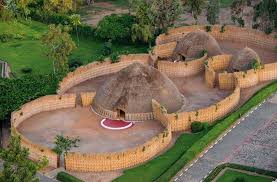


A Journey into Rwanda's Royal Past
Immerse yourself in Rwanda's rich royal heritage with a visit to the Traditional King's Palace Museum in Nyanza, the historic seat of Rwanda's monarchy. This fascinating half-day tour transports you back to the era of the Mwami (King) as you explore a meticulously reconstructed traditional royal residence. Discover the customs, traditions, and daily life of Rwanda's pre-colonial royalty while learning about the sophisticated governance system that ruled the "Land of a Thousand Hills" for centuries. The museum offers a unique window into Rwanda's cultural identity before colonial influence, showcasing traditional architecture, royal regalia, sacred rituals, and the enduring legacy of the Rwandan monarchy.
🌟 Family-Friendly Cultural Experience
The Traditional King's Palace Museum offers an engaging, educational experience suitable for visitors of all ages. Unlike more somber historical sites, this cultural attraction brings Rwanda's royal history to life through interactive exhibits, traditional performances, and fascinating artifacts. Children particularly enjoy the inyambo (long-horned royal cattle) and the opportunity to see traditional dancers. The experience is both entertaining and educational, providing valuable context for understanding Rwandan culture and history. Photography is encouraged throughout (except where specifically noted), and guides are skilled at making the history accessible and engaging for international visitors.
Tour Highlights:
- Reconstructed Royal Palace: Authentic thatched-roof residence of the Mwami (King)
- Sacred Karinga Drums: Magnificent royal drums symbolizing power and tradition
- Royal Regalia Exhibition: Traditional clothing, jewelry, and ceremonial objects
- Inyambo Cattle: Beautiful long-horned cattle bred specifically for royalty
- Traditional Architecture: Intricate construction techniques using local materials
- Cultural Performances: Live demonstrations of traditional dance and music (seasonal)
- Royal Compound Layout: Understanding spatial organization of royal life
- Historical Context: Rwanda's monarchy from founding to colonial period
Why This Palace Museum is Essential for Understanding Rwandan Culture?
Cultural Continuity: Demonstrates the sophisticated social and political systems that existed in Rwanda long before colonial contact.
Architectural Heritage: Preserves traditional building techniques and design principles that are disappearing in modern Rwanda.
Symbolic Understanding: Explains the deep cultural symbolism in Rwandan traditions, from cattle to drums to court rituals.
Historical Perspective: Provides context for understanding modern Rwanda's governance and social structures.
Living Culture: Connects historical traditions to contemporary Rwandan cultural practices and values.
Educational Value: Offers accessible introduction to Rwandan history suitable for visitors of all backgrounds.
Visual Splendor: The beautiful setting and impressive reconstructions make history come alive.
Detailed Tour Itinerary
HALF DAY: ROYAL PALACE EXPLORATION
Morning or Afternoon Pick-up (Flexible): Your guide will pick you up from your Kigali hotel at agreed time (typically 8:30 AM or 1:30 PM).
Scenic Drive to Nyanza (1 hour): Enjoy the beautiful Rwandan countryside as you travel south from Kigali to Nyanza.
- Introduction to Rwanda's monarchy and its historical significance
- Explanation of Nyanza's importance as royal capital
- Overview of traditional Rwandan social structure
- Context about the museum's reconstruction and authenticity
Arrival at Palace Museum (60 minutes after pick-up): Arrive at the Traditional King's Palace Museum in Nyanza.
- Entrance and ticket purchase (included in tour)
- Initial orientation to the palace compound layout
- Brief history of the site and its reconstruction
- Introduction to traditional Rwandan architecture
Main Palace Tour (60-75 minutes): Guided exploration of the reconstructed royal compound:
- The King's Residence: Authentic thatched-roof palace built using traditional techniques
- Traditional construction methods and materials
- Spatial organization reflecting royal protocol
- Symbolic elements in architecture and design
- Royal sleeping arrangements and daily life
- Royal Regalia Exhibition: Display of traditional royal artifacts
- Traditional clothing worn by king and royalty
- Ceremonial jewelry and accessories
- Weapons and symbols of power
- Household items used in royal court
- Sacred Drum Pavilion: Home to the magnificent Karinga drums
- History and significance of royal drums
- Rituals and ceremonies involving drums
- Craftsmanship of traditional drum-making
- Role of drums in communication and ceremony
- Queen Mother's Residence: Separate compound for the queen mother
- Role of queen mother in royal court
- Gender roles in traditional Rwandan society
- Architectural differences in women's spaces
Royal Cattle Enclosure (20 minutes): Visit the inyambo (long-horned royal cattle):
- Cultural Significance: Central role of cattle in Rwandan culture and royalty
- Breed Characteristics: Unique long-horned cattle bred specifically for royalty
- Traditional Practices: Care, breeding, and ceremonial use of royal cattle
- Cattle-Keepers: Traditional role of herdsmen in royal court
- Photo Opportunity: Chance to photograph these magnificent animals
Traditional Performance Area (15-30 minutes, seasonal): Experience Rwandan cultural performances:
- Traditional Intore dance performances (when available)
- Demonstration of traditional musical instruments
- Explanation of dance styles and their significance
- Opportunity for questions about performance arts
Gardens and Grounds Exploration (20 minutes): Walk through the palace grounds:
- Medicinal Garden: Traditional plants used for healing and rituals
- Ceremonial Spaces: Areas for royal ceremonies and gatherings
- Defensive Features: Traditional security measures of royal compound
- Viewpoints: Strategic placement of palace with views of surrounding hills
Museum Shop and Refreshments (15 minutes): Visit the museum facilities:
- Opportunity to purchase authentic Rwandan crafts
- Traditional refreshments available for purchase
- Books and educational materials about Rwandan history
- Restroom facilities and resting area
Interactive Experiences (Optional, 15 minutes): Depending on availability:
- Traditional games demonstration
- Craftsmanship demonstrations (basket weaving, etc.)
- Opportunity to try traditional clothing (photography)
- Interactive elements for children and families
Return Journey to Kigali (1 hour): Travel back to Kigali with guided discussion:
- Reflection on Rwanda's royal heritage and its legacy
- Connections between traditional and modern Rwanda
- Answering remaining questions about Rwandan history
- Recommendations for further cultural experiences
Hotel Drop-off (3.5-4 hours after pick-up): Return to your Kigali accommodation with:
- Cultural insights to enhance remainder of Rwanda visit
- Recommendations for traditional Rwandan cuisine to try
- Information about other cultural sites if interested
Tour Flexibility: This experience can be adjusted based on:
- Visitor's specific interests (architecture, social history, arts)
- Time available (shorter or longer versions possible)
- Family needs and children's interests
- Combination with other nearby attractions
About the Traditional King's Palace Museum
Historical Significance: Nyanza was the traditional capital of Rwanda's monarchy for centuries. The palace site has been a royal residence since at least the 18th century, though the current reconstruction represents the palace as it would have appeared in the late 19th century.
Reconstruction and Authenticity: The current palace is a meticulous reconstruction completed in 2008:
- Historical Accuracy: Based on detailed research including oral histories, early European accounts, and archaeological evidence
- Traditional Techniques: Built using authentic materials and construction methods under guidance of elders
- Craftsmen: Skilled artisans specializing in traditional building techniques were employed
- Materials: Local wood, thatch, woven materials, and natural binders as used historically
Educational Mission: The museum serves multiple purposes:
- Cultural Preservation: Documenting and preserving traditional Rwandan architecture and crafts
- Historical Education: Teaching Rwandans and visitors about pre-colonial history
- Skills Transmission: Training younger generations in traditional building techniques
- Tourism Development: Showcasing Rwanda's rich cultural heritage to international visitors
Ongoing Activities: The museum is a living cultural center:
- Regular traditional dance and music performances
- Craft demonstrations and workshops
- Educational programs for schools
- Cultural festivals and special events
Understanding Rwanda's Traditional Monarchy
The Mwami (King): Rwanda's traditional monarchy was a sophisticated system of governance that lasted for centuries until the revolution of 1959-1961. The king was both political leader and spiritual figure, believed to have divine connections ensuring fertility and prosperity for the kingdom.
Key Elements of Royal System:
- Ubwami (Kingship): Sacred institution with elaborate rituals and protocols
- Ubuhake (Clientage): System of mutual obligation between patrons and clients
- Ubureetwa (Tribute): Economic system supporting royal court and administration
- Army Organization: Sophisticated military structure for defense and expansion
- Justice System: Traditional courts and dispute resolution mechanisms
- Territorial Administration: Hierarchical system from hills to provinces to royal court
Cultural Legacy:
- Artistic Traditions: Royal patronage supported development of music, dance, poetry, and crafts
- Social Values: Concepts of honor, duty, and service that continue to influence Rwandan society
- Agricultural Practices: Royal control and development of land use and cultivation techniques
- Cattle Culture: Central role of cattle in economy, social status, and rituals
Modern Relevance: While the monarchy ended politically, its cultural legacy continues:
- Traditional dance troupes preserve royal performance arts
- Craft traditions continue with royal-inspired designs
- Social values from monarchy era influence contemporary Rwanda
- Historical consciousness shapes national identity
Practical Information for Your Palace Visit
Best Time to Visit: The museum is open daily from 8:00 AM to 5:00 PM. Mornings are generally cooler and less crowded. Traditional dance performances are typically scheduled for mid-morning and mid-afternoon (check current schedule).
Combination with Other Tours: This half-day tour combines well with:
- National Museum of Rwanda in Butare (full day cultural tour)
- Nyungwe Forest National Park (as cultural break during wildlife tour)
- Kigali city tour on same day (morning palace, afternoon Kigali)
- Genocide memorial visit (contrasting historical experiences)
Photography Guidelines:
- Photography is permitted throughout most of the museum
- Flash photography may be restricted in some indoor areas
- Photography of traditional performers usually permitted (small fee may apply)
- Always ask permission before photographing staff or other visitors
Entrance Fees: Included in tour price. Standard fees (covered): Approximately $8-10 per person for international visitors.
Visitor Facilities:
- Clean restroom facilities available on site
- Small café serving drinks and light snacks
- Gift shop with authentic Rwandan crafts
- Shaded seating areas throughout the compound
- Paved pathways suitable for strollers and wheelchairs
Historical Expertise
Knowledgeable guides provide rich context about Rwanda's monarchy, traditions, and cultural heritage
Interactive Experience
Engaging, family-friendly tour with opportunities for questions, photography, and cultural interaction
Architectural Insight
Detailed explanation of traditional building techniques, materials, and symbolic design elements
Cultural Appreciation
Respectful introduction to Rwandan traditions that enhances understanding of modern Rwanda
Essential Tips for Your Palace Museum Visit
- Comfortable Clothing: Casual, comfortable clothing suitable for walking. The site involves moving between different buildings and areas.
- Footwear: Comfortable walking shoes. Paths are generally smooth but involve some walking.
- Sun Protection: Hat, sunglasses, and sunscreen recommended as much of the tour is outdoors.
- Water Bottle: Bring water, especially for warmer days, though water is available for purchase.
- Camera Ready: This is a highly photogenic site. Ensure camera/phone is charged.
- Children Welcome: This is an excellent family-friendly attraction. Children enjoy the cattle and performances.
- Cultural Respect: While casual, respectful behavior is appreciated as this is a cultural heritage site.
- Cash for Extras: Bring small cash for souvenirs, drinks, or optional photography with performers.
- Timing: Allow 2-3 hours for a thorough visit including performances if available.
- Questions Encouraged: Guides appreciate engaged visitors. Don't hesitate to ask questions.
What's Included & Excluded
Included in Tour Package:
- Professional English-speaking cultural guide
- All transportation in comfortable vehicle
- Hotel pick-up and drop-off in Kigali
- All entrance fees to King's Palace Museum
- Bottled drinking water during journey
- All government taxes and VAT
Excluded from Tour Package:
- International flights to/from Rwanda
- Visa fees for Rwanda
- Travel and medical insurance
- Meals and additional beverages
- Tips for guides and drivers
- Souvenirs from museum gift shop
- Optional traditional performance fees (if not included in entrance)
- Photography fees for traditional performers
Journey to Nyanza
Scenic drive with historical introduction
Palace Exploration
Royal residence, regalia & sacred drums
Cultural Experiences
Royal cattle, performances & traditions
Return & Reflection
Journey back with cultural discussion
Royal Heritage
Step into the world of Rwanda's traditional monarchy through authentic palace reconstruction, royal regalia, and detailed explanations of court life, rituals, and the sophisticated governance system of pre-colonial Rwanda
Living Culture
Experience Rwanda's vibrant cultural traditions through traditional dance performances, craftsmanship demonstrations, and interaction with cultural custodians who keep ancient skills and knowledge alive for new generations
Ready to Explore Rwanda's Royal Heritage?
Book now for an engaging journey into Rwanda's royal past at the Traditional King's Palace Museum in Nyanza. This family-friendly cultural experience offers fascinating insights into pre-colonial Rwandan society, magnificent traditional architecture, and vibrant living traditions that continue to shape Rwanda's cultural identity today.
Book This Cultural Tour NowContact our travel specialists to combine your palace visit with other Rwanda cultural experiences or wildlife safaris.