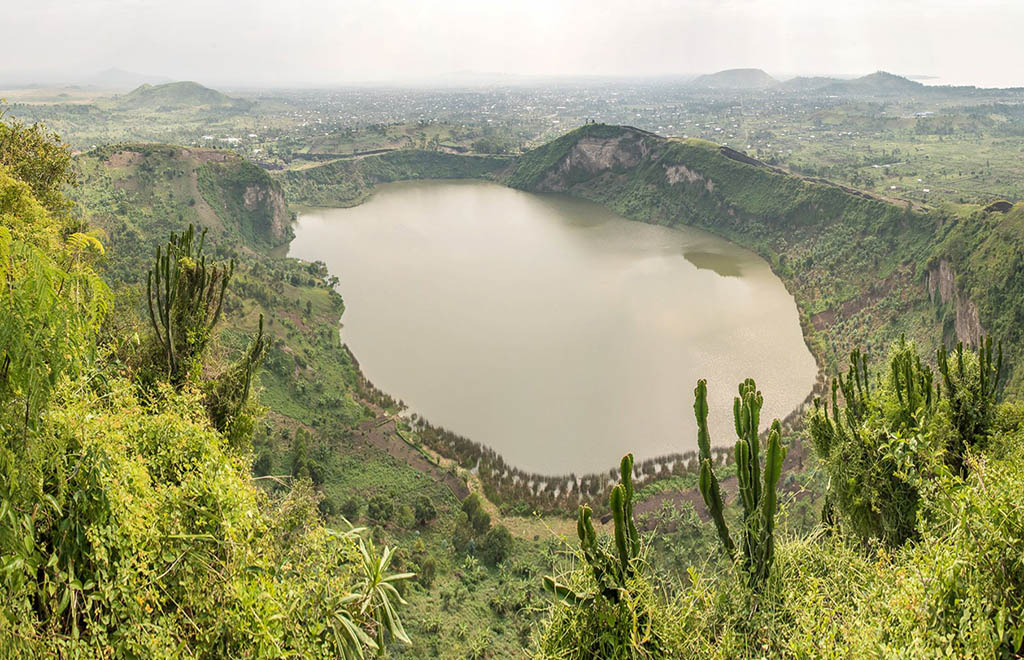
Witness Earth's Power: The World's Largest Lava Lake
Embark on the adventure of a lifetime to Mount Nyiragongo in the Democratic Republic of Congo, home to the world's largest and most active lava lake. This overnight hike takes you to the summit of one of Africa's most active volcanoes, where you'll spend the night in cabins just meters from a boiling cauldron of molten lava. Watch as the lava lake churns, bubbles, and occasionally erupts in fountains of fire against the night sky - a sight so mesmerizing it will stay with you forever. This is not just a hike; it's a journey to witness the raw power of our planet.
Important Safety Information
Active Volcano: Nyiragongo is an active volcano that last erupted in 2021. Safety is our top priority, and hikes only proceed when volcanic activity is at safe levels monitored by Virunga National Park volcanologists.
Fitness Requirements: This is a challenging hike at altitude. You must be in good physical condition with no heart or respiratory problems.
Travel Advisory: Check your government's travel advisory for Eastern DRC before booking. We only operate when conditions are safe.
Insurance Requirement: Comprehensive travel insurance with medical evacuation coverage is mandatory.
Experience Highlights:
- World's Largest Lava Lake: Witness the massive lava lake up close
- Overnight at Summit: Sleep in cabins near the crater rim
- Night Spectacle: Watch the lava lake glow against the night sky
- Professional Guides: Experienced volcano guides and armed rangers
- Porter Service: Porters available to carry your main backpack
- Summit Cabins: Basic but comfortable overnight accommodation
- Meals Included: Dinner and breakfast at the summit cabins
- Conservation Contribution: Fees support Virunga National Park protection
- UNESCO World Heritage: Hike in a protected UNESCO site
- Unique Photography: Once-in-a-lifetime photography opportunities
Detailed Nyiragongo Overnight Itinerary
DAY 1: ARRIVAL IN GOMA & PREPARATION
Border Crossing: Meet your guide in Gisenyi, Rwanda and cross into Goma, DRC.
Safety Briefing: Comprehensive safety briefing about the hike and volcano.
Gear Check: Ensure you have all necessary equipment (rental available if needed).
Permit Processing: Finalize park permits and documentation.
Porter Allocation: Meet your porter who will carry your overnight gear.
Lunch in Goma: Lunch at a local restaurant (not included in basic package).
Transfer to Kibati: Drive to Kibati Patrol Post, the starting point of the hike.
Final Preparation: Last-minute packing, water collection, and stretching.
Meet Your Team: Introduction to your guide, assistant guide, and armed rangers.
Begin Ascent (Approx 10:00-11:00 AM): Start your hike up Mount Nyiragongo.
First Section: Hike through rainforest with gradual incline.
Lunch Break: Stop for packed lunch on the trail.
Altitude Gain: Continue through different vegetation zones.
Volcanic Landscape: Enter the surreal volcanic landscape near the summit.
Summit Arrival (Approx 4:00-6:00 PM): Reach the crater rim and first view of lava lake.
Sunset Viewing: Watch sunset over the lava lake - spectacular photo opportunity.
Cabin Allocation: Settle into your basic summit cabin.
Evening Lava Viewing: Watch the lava lake as darkness falls and it glows brighter.
Dinner at Summit: Hot dinner served at the summit cabins.
Night Photography: Capture the incredible night views of the glowing lava.
Overnight at Summit: Sleep to the sounds of the bubbling lava lake (cabins have bunk beds and mattresses).
DAY 2: SUNRISE & DESCENT
Early Wake-up (Optional): For those who want to see sunrise over the lava lake.
Morning Lava Viewing: Different perspective of lava lake in morning light.
Breakfast at Summit: Morning meal before descent.
Final Photography: Last photos of the lava lake in daylight.
Begin Descent (Approx 8:00 AM): Start your hike down the volcano.
Descend Carefully: Steep descent requiring careful footing (3-4 hours).
Mid-point Rest: Break at one of the rest stops on the way down.
Kibati Arrival: Return to Kibati Patrol Post (approx 11:00 AM-1:00 PM).
Certificate: Receive your Nyiragongo hiking certificate.
Porter Tips: Opportunity to tip your porter (recommended: $10-15).
Transfer to Goma: Drive back to Goma.
Lunch in Goma: Lunch at a local restaurant (not included in basic package).
Border Crossing: Return to Rwanda via the Goma/Gisenyi border.
Hotel Drop-off: Transfer to your Gisenyi hotel or Kigali (extra cost).
End of Tour: Bid farewell to your guide and team.
Extension Options: Combine with gorilla trekking in Virunga or Rwanda.
Summit Cabin Accommodation
Location: Situated on the crater rim, approximately 200m from the lava lake edge.
Facilities: Basic but functional cabins with bunk beds, mattresses, and sleeping bags provided.
Capacity: Cabins sleep 4-6 people (same gender sharing unless private cabin booked).
Toilet Facilities: Basic pit toilets available near cabins.
No Running Water: Bring sufficient water for drinking and basic washing.
Meals: Dinner and breakfast prepared by cook team and served hot.
Safety: Cabins are positioned in safe areas monitored by park volcanologists.
Private Cabins: Available at extra cost for couples or private groups.
Important Note: This is basic mountain accommodation - manage expectations accordingly.
Safety Procedures & Requirements
Virunga National Park has a dedicated team of volcanologists monitoring Nyiragongo 24/7. Hikes only proceed when volcanic activity is at Level 1 (normal) or Level 2 (increased monitoring). In case of increased activity, hikes may be cancelled or modified for safety.
Communication: Guides carry satellite phones for emergency communication. Evacuation Plan: Established evacuation routes and procedures. Medical Support: First aid trained guides carry comprehensive medical kits. Ranger Support: Armed rangers accompany all groups for security.
Fitness Level: Good physical condition required - able to hike 5-6 hours uphill at altitude. Medical Conditions: Not suitable for those with heart conditions, respiratory problems, or pregnancy. Age Limits: Minimum age 15, maximum age 65 (exceptions with doctor's certificate). Altitude: Summit is 3,470m - those prone to altitude sickness should consult doctor.
Mandatory Requirements:
- Travel Insurance: Must include medical evacuation from DRC
- Yellow Fever Certificate: Required for entry to DRC
- COVID-19 Requirements: Check current DRC entry requirements
- Passport: Valid for at least 6 months with blank pages
- DRC Visa: Obtainable at border or in advance
- Emergency Contact: Provide emergency contact details
- Medical Declaration: Complete medical declaration form
About Mount Nyiragongo & Virunga National Park
Mount Nyiragongo is one of Africa's most active volcanoes and has the world's largest lava lake. The volcano is known for its extremely fluid lava that can flow at up to 100 km/h during eruptions. The 2021 eruption caused significant damage to Goma but also created new scientific understanding of the volcano's behavior.
Virunga National Park is Africa's oldest national park (established 1925) and a UNESCO World Heritage Site. Revenue from tourism directly funds conservation efforts, including protection of mountain gorillas, forest elephants, and other endangered species. Your visit supports park rangers who risk their lives protecting the park.
Nyiragongo is one of the most studied volcanoes in the world. Scientists monitor it constantly to better understand volcanic activity and improve eruption prediction. The data collected helps protect the million people living in the volcano's shadow in Goma.
For the local people, Nyiragongo is both feared and revered. Traditional beliefs hold that the volcano is home to spirits, and eruptions are seen as expressions of displeasure. The volcano plays a central role in local mythology and cultural practices.
Essential Gear for Nyiragongo Hike
Ankle-supporting, broken-in, good grip essential
Temperatures drop to near freezing at summit
Waterproof jacket and pants - weather changes fast
For water, layers, camera, essentials during hike
Essential - no water available on mountain
Essential for night viewing and cabin use
Warm gloves for cold summit temperatures
For volcanic dust and sulfur smells at crater
DSLR with tripod recommended for night shots
Extra pairs - feet get cold at altitude
Including altitude sickness medication if needed
Nuts, chocolate, energy bars for hike
What's Provided:
- Porter Service: Porter carries up to 15kg of your gear (sleeping bag, extra clothes)
- Sleeping Bag: Provided at summit (can be rented if you prefer your own)
- Mattress: Provided in cabins
- Meals: Dinner and breakfast at summit
- Drinking Water: For meals (bring your own for hiking)
- Guide & Rangers: Professional team for safety and guidance
- First Aid Kit: Carried by guide
Cost: Approximately $25-30 for the round trip. Weight Limit: Maximum 15kg per porter. Recommendation: Highly recommended - makes hike much more enjoyable. Tips: Customary to tip porter $10-15 for good service. Pack Separation: Pack daypack with essentials you need during hike, porter carries overnight gear.
Essential Tips for Nyiragongo Lava Lake Hike
Start Early: Begin cardio training 2-3 months in advance. Stair Training: Best preparation is stair climbing with weighted backpack. Altitude Training: If possible, arrive in region 1-2 days early to acclimatize. Pacing: Go slow and steady - it's a marathon, not a sprint. Hydration: Drink 4-5 liters of water starting 2 days before hike.
Night Photography: DSLR with tripod essential for lava lake night shots. Settings: ISO 800-3200, shutter 1-30 seconds, aperture f/2.8-5.6. Lens: Wide-angle (16-35mm) for landscape, telephoto (70-200mm) for detailed lava shots. Protection: Camera cover for volcanic dust and possible rain. Batteries: Cold drains batteries - keep spares in inner pockets. Memory: Bring plenty of memory cards - you'll take hundreds of photos.
Altitude Sickness: Recognize symptoms - headache, nausea, dizziness. Descend if symptoms worsen. Sulfur Smells: Strong sulfur smell at crater - buff or mask helps. Volcanic Dust: Can irritate lungs - those with asthma should be cautious. Stay Hydrated: Sip water constantly even if not thirsty. Follow Instructions: Always stay with guide, never venture off marked paths.
Basic Facilities: No running water, basic toilets, simple cabins. Cold Temperatures: Can drop to 0°C (32°F) at night - bring warm layers. Lava Viewing: Best viewing at night when glow is most dramatic. Sleeping Conditions: Basic but adequate - manage expectations. Group Dynamics: You'll be sharing cabins with other hikers - be considerate.
Best Time for Nyiragongo Hike:
- Dry Seasons (Best): June-September & December-February - better hiking conditions
- Shoulder Seasons (Good): March & October-November - fewer crowds
- Wet Seasons (Challenging): April-May & November - very muddy, rain likely
- Volcanic Activity: Hikes operate year-round unless volcanic activity increases
- View Considerations: Clearer views in dry season, but weather can change rapidly
- Booking: Permits limited to 120 people per day - book several months in advance
Ready for the Adventure of a Lifetime?
Witness one of nature's most awe-inspiring spectacles - the world's largest lava lake glowing in the darkness. This is more than a hike; it's a journey to the heart of our active planet.
Book This Lava Lake AdventureContact our DRC adventure specialists for current safety conditions, permit availability, and preparation advice for your Nyiragongo hike.