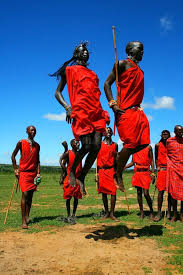
Live with the Maasai - Guardians of Tradition
Experience an authentic 4-day cultural immersion with the Maasai people of Kenya. This unique safari takes you beyond tourism to live alongside a Maasai community, participating in daily life, learning ancient traditions, and understanding one of Africa's most iconic cultures from the inside. This is not a cultural "show" but a genuine opportunity to connect, learn, and share experiences with a proud pastoral community that has maintained its traditions for centuries.
Cultural Experience Highlights:
- Authentic Village Stay: Sleep in a traditional Maasai manyatta (homestead)
- Daily Life Participation: Join Maasai women and men in their daily activities
- Warrior Training: Learn Maasai warrior skills and traditional hunting techniques
- Beadwork Workshop: Create traditional Maasai jewelry with expert women
- Livestock Herding: Experience pastoral life by herding cattle with Maasai morans
- Traditional Medicine: Learn about Maasai herbal remedies and healing practices
- Evening Storytelling: Share stories around the fire with elders
- Community Contribution: Your visit directly supports the local Maasai community
Detailed Cultural Immersion Itinerary
DAY 1: NAIROBI TO MAASAI VILLAGE
Morning Pickup: Collection from your Nairobi hotel or Jomo Kenyatta International Airport.
Scenic Drive: Journey southwest through the Great Rift Valley with breathtaking views.
Cultural Briefing: Introduction to Maasai culture, customs, and etiquette en route.
Arrival at Maasai Land: Enter the Maasai territory with its iconic red-robed people.
Traditional Welcome: Authentic Maasai welcome ceremony with singing and dancing.
Meet Your Host Family: Introduction to the Maasai family who will host you.
Manyatta Orientation: Tour of the traditional homestead and explanation of structures.
Traditional Lunch: Share a meal of traditional Maasai foods (with modern options available).
Afternoon Activity: Visit to the livestock enclosure and learning about Maasai cattle.
Evening Fire: Gather around the fire for introductions and cultural exchange.
Traditional Accommodation: Overnight in a specially prepared guest manyatta.
DAY 2: IMMERSION IN MAASAI DAILY LIFE
Sunrise Experience: Early morning to experience the manyatta coming to life.
Morning Chores with Women: Participate in women's daily activities:
- Fetching water from the river/well
- Collecting firewood
- Milk the cows and goats
- Prepare breakfast (traditional tea and ugali)
Beadwork Workshop: Learn the art of Maasai beadwork with expert women.
Traditional Attire: Opportunity to wear traditional Maasai clothing (shuka).
Afternoon with Maasai Warriors:
- Learn warrior skills and hunting techniques
- Practice with traditional weapons (spears, rungu)
- Learn Maasai jumping (adumu) techniques
- Animal tracking lessons in the bush
Livestock Herding: Join the morans (warriors) in herding cattle to grazing areas.
Traditional Medicine Walk: Guided walk to identify medicinal plants with the village healer.
Evening Celebrations: Traditional singing, dancing, and storytelling around the fire.
Maasai Legends: Listen to ancient Maasai stories from the elders.
Overnight: Second night in the manyatta, now feeling more like home.
DAY 3: DEEPER CULTURAL UNDERSTANDING
Morning Rituals: Participate in daily morning rituals and prayers.
Visit Local Market: Accompany Maasai women to a local market (market days only).
Maasai Cooking Class: Learn to prepare traditional Maasai dishes:
- Nyama Choma (grilled meat)
- Ugali (maize porridge)
- Mursik (fermented milk)
- Traditional vegetable dishes
Community Project: Participate in a community project (varies by village needs):
- School visit and interaction with children
- Water conservation project assistance
- Traditional building repair or construction
Afternoon Choice: Select from various cultural activities:
- Advanced beadwork techniques
- More warrior training
- Nature walk focusing on survival skills
- Rest and reflection time
Circumcision Cave Visit: Visit to traditional initiation site with explanation of rites (respectful distance maintained).
Farewell Ceremony: Special evening celebration with your host family.
Cultural Exchange: Opportunity to share stories from your culture.
Gift Exchange: Traditional gift exchange with your host family.
Final Night: Last overnight in the manyatta.
DAY 4: DEPARTURE WITH NEW UNDERSTANDING
Morning Reflections: Final morning in the manyatta with your host family.
Breakfast Together: Share a final meal with your Maasai hosts.
Traditional Blessing: Receive a traditional Maasai blessing from the elders.
Certificate of Participation: Receive your Maasai cultural immersion certificate.
Farewells: Emotional farewells with your host family and new friends.
Optional Wildlife Visit: On route back, optional visit to Maasai Mara National Reserve (additional cost).
Scenic Return Drive: Journey back to Nairobi with stops for photos.
Lunch en route: Stop at a restaurant with views of the Rift Valley.
Nairobi Arrival: Return to Nairobi by late afternoon.
Final Options:
- Transfer to Jomo Kenyatta International Airport for departure
- Drop-off at your Nairobi hotel if extending your stay
- Debrief session to process your cultural experience
Cultural Insights: Final discussion about Maasai culture and modern challenges.
Extension Suggestions: Combine with Maasai Mara wildlife safari, Lake Nakuru flamingos, or Amboseli elephant views with Kilimanjaro backdrop.
Understanding Maasai Culture
The Maasai are a Nilotic ethnic group inhabiting northern, central, and southern Kenya and northern Tanzania. They are among the best known local populations internationally due to their distinctive customs, dress, and residence near the many game parks of East Africa.
Maasai society is strongly patriarchal, with elder men making most decisions. The society is organized into age-sets, with boys undergoing circumcision to become morans (warriors) and later elders. Women build the houses, care for children, milk cattle, and collect firewood and water.
Traditionally, the Maasai are semi-nomadic pastoralists, moving their herds of cattle, sheep, and goats according to the seasons and availability of pasture and water. Cattle are central to Maasai life, serving as a primary food source and representing wealth and social status.
Modern Maasai face challenges including land loss, climate change affecting pastoralism, and balancing tradition with modern education and opportunities. Cultural tourism provides important income while helping preserve traditions.
Essential Maasai Cultural Information
Boys become warriors (morans) through initiation, then elders
Cattle represent wealth, social status, and spiritual significance
Intricate beadwork communicates status, age, and marital status
Traditional homes made of mud, sticks, grass, and cow dung
Morans protect the community and livestock from predators
Adumu (jumping dance) demonstrates strength and agility
Maasai Cultural Etiquette & Guidelines:
- Respect Elders: Always show respect to Maasai elders - they hold authority
- Photography: Always ask permission before taking photos of people
- Dress Modestly: Wear clothing that covers shoulders and knees, especially women
- Left Hand Taboo: Avoid using your left hand for giving/receiving items or eating
- Shoe Removal: Remove shoes before entering a Maasai home
- Pointing: Avoid pointing at people or sacred objects with fingers
- Public Affection: Avoid public displays of affection
- Follow Guidance: Always follow your host's instructions and guidance
This is an authentic cultural immersion, not a performance. You will experience real Maasai daily life, which includes basic living conditions. The experience is designed for culturally sensitive travelers who approach with respect, openness, and a willingness to learn rather than judge. Your respectful participation helps preserve Maasai traditions while providing sustainable income to the community.
Essential Tips for Maasai Cultural Immersion
Open Mindset: Approach with curiosity rather than judgment. Learn Basics: Learn a few Maasai greetings and phrases. Research: Read about Maasai culture before your visit. Respect: Remember you are a guest in their community and home.
Modest Clothing: Lightweight, loose clothing covering shoulders and knees. Comfortable Shoes: Sturdy walking shoes for uneven terrain. Head Covering: Hat or scarf for sun protection. Layers: Temperatures vary significantly from day to night.
Basic Conditions: Accommodations are traditional and basic. Dietary Needs: Traditional Maasai diet is meat and milk-based; inform us of dietary restrictions. Water: Bottled water will be provided. Medications: Bring any personal medications you require.
Always Ask: Never photograph people without explicit permission. Respect Privacy: Some rituals or areas may be off-limits for photography. Appropriate Gifts: Useful gifts (school supplies, tools) rather than trinkets. Fair Trade: Purchase beadwork directly from the women who make it.
Best Time for Cultural Immersion:
- Dry Seasons (Best): June-October & December-March - easier travel conditions
- Cultural Festivals: Align with traditional ceremonies if possible (inquire about dates)
- Avoid Heavy Rains: April-May can make roads difficult
- Year-Round: Cultural immersion available throughout the year
- Special Events: Ask about upcoming traditional ceremonies or rites of passage
Direct Support: 70% of your fee goes directly to the Maasai community. Sustainable Tourism: Provides income while preserving traditional lifestyle. Education Fund: Portion supports community school and scholarships. Women's Empowerment: Beadwork sales provide independent income for women.
Ready for Your Cultural Journey?
Experience authentic Maasai culture from the inside. This unique immersion offers genuine connection and understanding beyond typical tourist experiences.
Book This Cultural SafariContact our cultural specialists to prepare for your authentic Maasai immersion experience.