Where Cultures Converge: Malindi's Rich Heritage
Embark on a 4-day journey through time in Malindi, one of Kenya's oldest coastal settlements with over 1,000 years of documented history. This cultural tour explores the unique blend of African, Arab, Portuguese, and Italian influences that have shaped this fascinating town. From ancient Swahili ruins to Portuguese pillars, from traditional dhows to Italian restaurants, Malindi offers a living tapestry of coastal cultures. Discover the stories behind the architecture, taste the fusion cuisine, and experience the warm Swahili hospitality that makes this town a unique cultural destination on the Kenyan coast.
Tour Highlights:
- Portuguese Pillar Visit: See Vasco da Gama's 1498 navigation marker
- Juma Mosque Exploration: Visit one of East Africa's oldest mosques
- Malindi Museum: Discover Swahili culture and colonial history
- Gede Ruins Day Trip: Explore ancient Swahili town in Arabuko Sokoke Forest
- Swahili Cooking Class: Learn to prepare traditional coastal dishes
- Dhow Building Workshop: See traditional boat building techniques
- Italian Quarter Walk: Explore Malindi's "Little Italy" with its unique architecture
- Local Market Experience: Immerse in daily life at Malindi market
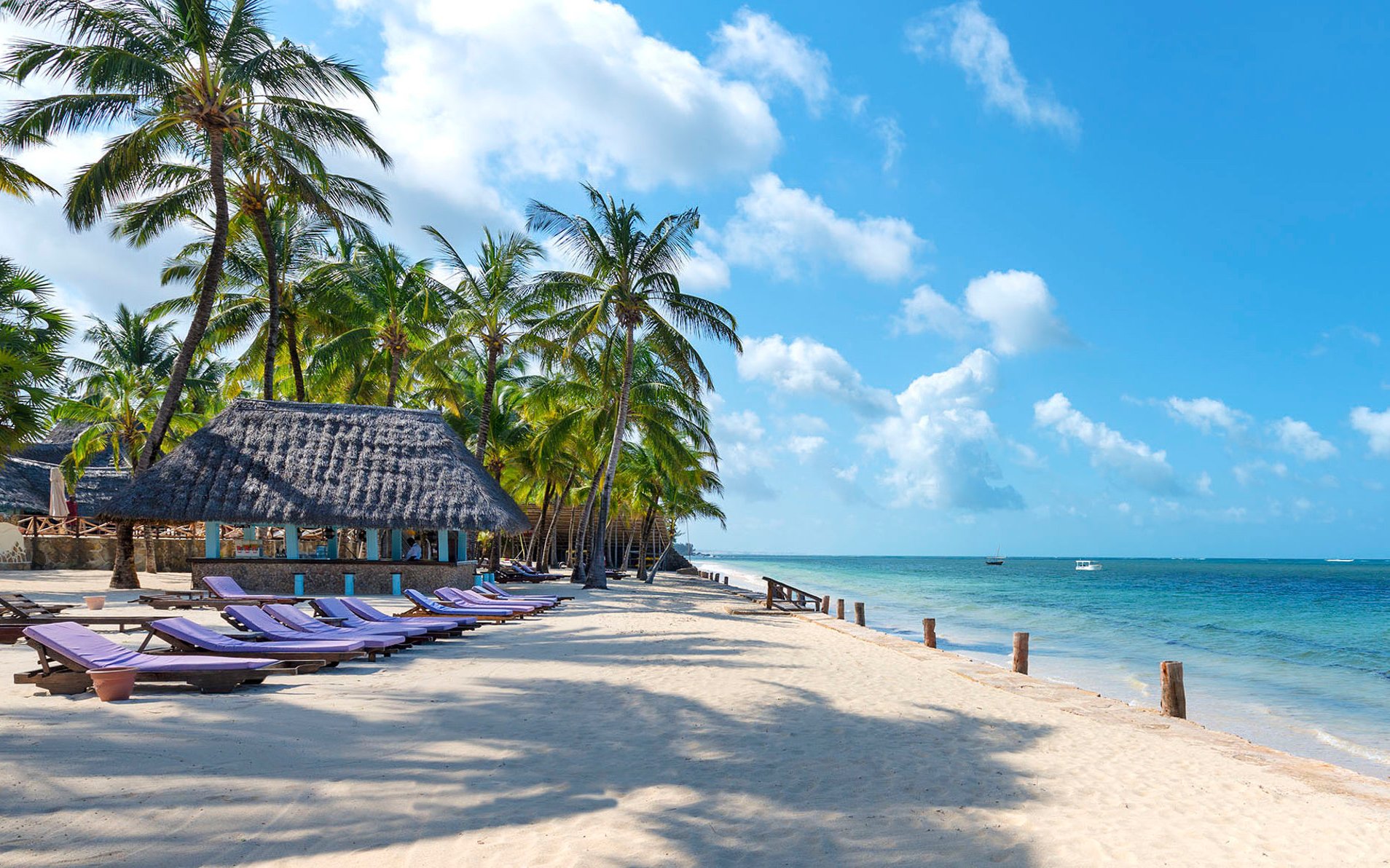
- Beach & Cultural Balance: Combine cultural exploration with Indian Ocean relaxation
- Cultural Performances: Enjoy traditional Swahili music and dance
Detailed Cultural Tour Itinerary
DAY 1: ARRIVAL & MALINDI ORIENTATION
Morning/Afternoon Arrival: Transfer from Malindi Airport or road transfer from Mombasa (approx. 2 hours).
Welcome to Malindi: Arrive at your coastal hotel with traditional Swahili welcome drink.
Check-in & Settle: Get comfortable in your room with coastal or garden views.
Cultural Introduction: Briefing on Malindi's history and cultural etiquette by your guide.
Lunch with Swahili Flavors: First taste of coastal cuisine at hotel or local restaurant.
Afternoon Orientation Walk: Gentle walk through Malindi town center to get bearings.
Portuguese Pillar Visit: See Vasco da Gama's 1498 navigation marker - one of oldest European monuments in Africa.
Malindi Museum: Introduction to Swahili culture and colonial history in small but informative museum.
Beach Introduction: Walk along Malindi Beach, learning about local fishing community.
Sunset at Marine Park: Optional walk to Malindi Marine Park for sunset views.
Welcome Dinner: Dinner featuring Swahili specialties like biryani, coconut fish, and cassava.
Evening Relaxation: Optional evening stroll along illuminated beachfront.
DAY 2: HISTORICAL MALINDI & SWAHILI CULTURE
Breakfast at Hotel: Morning meal with tropical fruits and coastal specialties.
Juma Mosque Visit: Explore one of East Africa's oldest mosques (exterior viewing, respectful dress required).
Swahili House Architecture: Walk through old town to see traditional Swahili architecture with carved doors and balconies.
Vasco da Gama Church: Visit the site of Africa's oldest church (original 16th century chapel).
Local Market Immersion: Experience Malindi Market with guide explaining products, spices, and daily life.
Lunch at Swahili Restaurant: Authentic lunch at family-run Swahili restaurant.
Afternoon Dhow Building: Visit to traditional dhow (sailing boat) building workshop.
Fisherman's Village: Walk through fishing community, learning about traditional fishing methods.
Swahili Cooking Class: Hands-on cooking lesson preparing 2-3 traditional dishes.
Enjoy Your Creation: Dinner featuring the dishes you helped prepare.
Cultural Performance: Evening of traditional Swahili taarab music and dance (optional).
Free Evening: Optional walk along illuminated seafront or relaxation at hotel.
DAY 3: GEDE RUINS & ARABUKO SOKOKE FOREST
Early Breakfast: Quick breakfast before day trip to Gede.
Transfer to Gede: Drive to Gede Ruins (approximately 30 minutes from Malindi).
Gede Ruins Exploration: Guided tour of ancient Swahili town dating from 12th century.
Historical Insights: Learn about Gede's mysterious abandonment and archaeological discoveries.
Key Sites: See palace, mosque, residential areas, and unique "flushing toilets."
Museum Visit: Explore Gede Museum with artifacts from excavations.
Picnic Lunch: Lunch in shaded area near ruins.
Arabuko Sokoke Forest: Brief visit to adjacent forest - one of largest remaining coastal forests in East Africa.
Birdwatching Opportunity: Chance to see some of forest's rare bird species.
Return to Malindi: Back to hotel for afternoon relaxation.
Italian Quarter Walk: Explore Malindi's "Little Italy" area with its unique architecture and restaurants.
Fusion Dinner: Dinner at Italian-Swahili fusion restaurant reflecting Malindi's cultural blend.
Evening at Leisure: Optional visit to local café or relaxation.
DAY 4: CULTURAL SYNTHESIS & DEPARTURE
Leisurely Breakfast: Final breakfast at hotel, reviewing cultural experiences.
Morning Options: Choose your preferred final activities:
- Beach Relaxation: Final time on Malindi's beautiful beach
- Souvenir Shopping: Visit to recommended craft shops for cultural souvenirs
- Photography Walk: Guided photo session capturing Malindi's cultural highlights
- Additional Site Visit: Return to favorite site for more in-depth exploration
Check-out: Prepare for departure from hotel.
Cultural Synthesis Discussion: Final session with guide discussing Malindi's cultural layers.
Farewell Lunch: Final meal featuring your favorite Swahili dishes.
Optional Final Activities: Depending on departure time:
- Malindi Marine Park Visit: Quick visit to marine park if time allows
- Local Artisan Visit: See woodcarvers or other artisans at work
- Cultural Center: Visit to community cultural center if open
Departure Transfer: Transfer to Malindi Airport or begin road journey to Mombasa/Nairobi.
Airport/Departure: Arrive at airport with time for check-in or begin road journey.
Farewell & Cultural Certificate: Receive cultural tour certificate and bid farewell to guide.
Extension Suggestions: Combine with Watamu Marine Park, Lamu Island, or Mombasa Old Town.
Malindi's Cultural Layers Through History
Original inhabitants from Bantu migrations established fishing and farming communities along the coast, laying foundations for Swahili culture.
Malindi flourished as independent Swahili city-state engaged in Indian Ocean trade network connecting Africa, Arabia, Persia, India, and China.
Portuguese explorer Vasco da Gama visited Malindi, received warm welcome from local Sultan, and established Portugal's first East African ally.
Portugal built fort and established Christian mission - St. Francis Xavier Church (oldest in Africa). Malindi served as Portuguese base for Indian Ocean trade.
Malindi came under influence of Omani Sultanate based in Zanzibar, later becoming part of British East Africa Protectorate.
Italian settlers established community in Malindi, creating "Little Italy" district and developing tourism infrastructure that continues today.
Today's Malindi represents unique fusion of Swahili, Arab, Portuguese, Italian, and modern Kenyan influences in architecture, cuisine, and daily life.
Malindi's Cultural & Historical Sites
Vasco da Gama's navigation marker - oldest European monument in Africa
One of East Africa's oldest mosques with unique coral architecture
Site of Africa's first Christian church built by Portuguese
Ancient Swahili town with palace, mosque, and mysterious history
Former colonial house now showcasing Swahili culture and history
Workshops where traditional sailing dhows are built using ancient techniques
Traditional Swahili houses with carved doors and balconies
Area with Italian architecture, restaurants, and cultural influence
Cultural Tour Guidelines:
- Respectful Dress: Modest clothing required for religious sites - cover shoulders and knees
- Photography Etiquette: Always ask permission before photographing people, especially in markets
- Religious Respect: Remove shoes before entering mosque areas, speak quietly at religious sites
- Cultural Sensitivity: Be open to different customs and ways of life
- Local Interaction: Engage respectfully with local people - many enjoy sharing their culture
- Bargaining: Expected at markets but be respectful - it's part of cultural exchange
- Follow Guide: Local guides provide cultural context and facilitate appropriate interactions
- Environmental Respect: Be mindful of impact on historical sites and local environment
Language: Swahili (Kiswahili) - Bantu base with Arabic, Persian, Portuguese, English influences. Architecture: Coral stone buildings, carved wooden doors, inner courtyards. Cuisine: Coconut-based dishes, seafood, spices (cardamom, cinnamon, cloves). Music: Taarab - blend of African, Arab, Indian musical traditions. Religion: Predominantly Muslim with traditional African influences. Crafts:
Cultural Tour Essentials
Cover shoulders/knees for religious sites and cultural respect
Sunscreen, hat, sunglasses for coastal sun
For walking through ruins, markets, and old town
Stay hydrated in tropical coastal climate
Capture architectural details and cultural moments
For recording cultural insights and historical facts
Especially for forest visits and evenings
Kenyan shillings for markets, crafts, and extras
Essential Tips for Cultural Tourism
Learn Basic Swahili: Simple greetings (Jambo, Habari, Asante) appreciated. Ask Questions: Show interest in local culture - people enjoy sharing traditions. Respect Privacy: Be mindful when visiting communities or photographing. Participate Respectfully: Join activities when invited but follow local customs.
Always Ask Permission: Before photographing people, especially in markets. Architecture Focus: Malindi's buildings tell cultural stories - capture details. Cultural Context: Try to photograph people in context of their activities. No Flash in Religious Sites: Respect worship spaces and avoid disturbance.
Right Hand Only: Use right hand for eating, greeting, passing items. Greetings Matter: Take time for proper greetings before transactions. Dress Modestly: Especially important in predominantly Muslim community. Remove Shoes: When entering homes or certain religious areas.
Buy Local Crafts: Purchase directly from artisans when possible. Eat at Local Restaurants: Support family-run businesses. Use Local Guides: Their knowledge enriches experience and supports livelihoods. Respectful Tipping: Appropriate for good service but not obligatory.
Best Time for Malindi Cultural Tour:
- Year-Round: Malindi's coastal climate is pleasant throughout the year
- Dry Season (Best): December-March & June-October - comfortable for exploring
- Ramadan Consideration: Muslim holy month affects opening hours and restaurant availability
- Cultural Festivals: Check for local festivals which offer unique cultural experiences
- Avoid Heavy Rains: April-May can have heavy downpours affecting outdoor exploration
- Weekdays: Markets and sites less crowded than weekends
Beach Resorts: Combine cultural exploration with beach relaxation. Boutique Hotels: Often in historical buildings with character. Guesthouses: Family-run options offering authentic local experience. Italian-Owned Hotels: Reflecting Malindi's Italian heritage with European standards. Eco-Lodges: Sustainable options focusing on community and environment.
Discover Malindi's Cultural Tapestry!
Experience 1,000 years of history and cultural fusion in Kenya's ancient coastal town - where Africa, Arabia, and Europe meet on the Indian Ocean.
Book This Cultural TourContact our cultural specialists for family packages, academic tours, or customized cultural experiences.