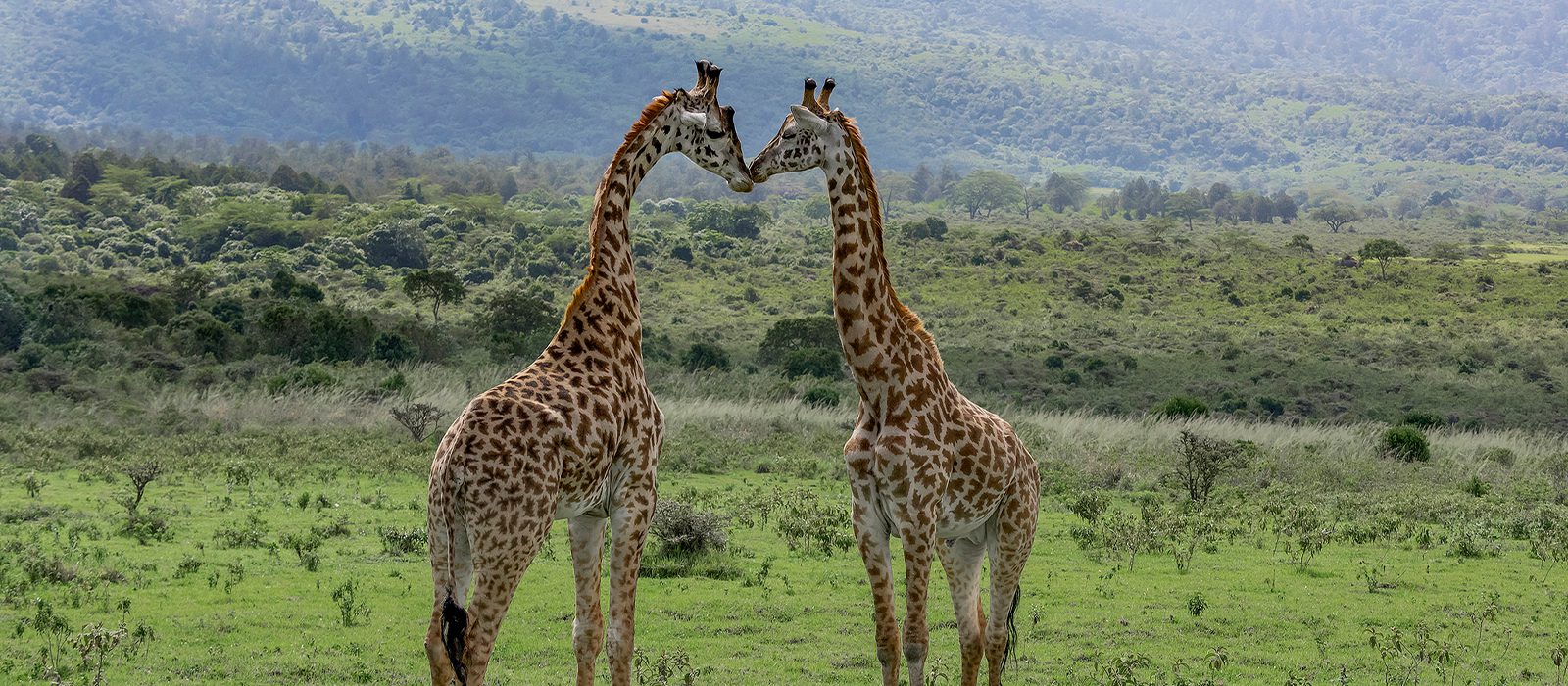
Kenya's Best Kept Secret: The Complete Wilderness
Embark on a 4-day adventure to Meru National Park, one of Kenya's most beautiful yet least visited wilderness areas. Made famous by Joy Adamson's book "Born Free" about Elsa the lioness, Meru offers a truly authentic safari experience away from the crowds. This park boasts diverse landscapes from open grasslands to riverine forests along 13 permanent rivers, creating a paradise for wildlife and nature lovers seeking an exclusive wilderness experience.
Safari Highlights:
- Exclusive Wildlife Viewing: Experience game drives with minimal vehicle traffic
- Riverine Ecosystems: Explore along 13 permanent rivers including the Tana and Rojewero
- Rhino Sanctuary: Visit the park's successful black and white rhino sanctuary
- Birdwatching Paradise: Over 400 recorded bird species in diverse habitats
- Born Free Heritage: Visit Elsa's Kopje and learn about the Adamsons' conservation work
- Walking Safaris: Guided bush walks for intimate nature encounters
- Night Game Drives: Optional night drives to see nocturnal wildlife
- Cultural Interaction: Visit local communities and learn about conservation efforts
Detailed Safari Itinerary
DAY 1: NAIROBI TO MERU NATIONAL PARK
Morning Pickup: Early collection from your Nairobi hotel or Jomo Kenyatta International Airport.
Scenic Drive North: Journey through central Kenya's agricultural heartland with views of Mount Kenya.
Equator Crossing: Stop at the equator line for photo opportunities and demonstration.
Lunch in Nanyuki: Stop at a restaurant with views of Mount Kenya (weather permitting).
Continue to Meru: Drive through small towns and rural landscapes to Meru National Park.
Park Entry & Registration: Complete formalities at the main gate with your guide.
Afternoon Game Drive: First game drive en route to your accommodation, spotting initial wildlife.
Lodge Check-in: Arrive at your wilderness lodge or camp nestled in the park.
Welcome Briefing: Orientation about the park, safety guidelines, and safari expectations.
Sundowner Experience: Evening drinks at a scenic viewpoint overlooking the wilderness.
Welcome Dinner: Dinner at the lodge with opportunity to share first impressions.
Night Sounds: Fall asleep to the sounds of the African wilderness.
DAY 2: FULL DAY WILDERNESS EXPLORATION
Early Morning Game Drive: Sunrise drive when predators are most active and light is perfect for photography.
Rhino Sanctuary Visit: Morning visit to the rhino sanctuary to see both black and white rhinos.
Breakfast in the Bush: Picnic breakfast at a scenic spot overlooking the plains.
Riverine Exploration: Game drive along the Tana River, Kenya's longest river, spotting wildlife at waterholes.
Born Free Sites: Visit locations associated with Joy and George Adamson's conservation work.
Lunch at Lodge: Return to your accommodation for lunch and midday rest.
Afternoon Walking Safari: Guided bush walk with an armed ranger for close-up nature experience.
Birdwatching Focus: Specialized birdwatching along riverbanks and in acacia woodlands.
Evening Game Drive: Late afternoon drive focusing on different areas of the park.
Sundowner: Sunset drinks at a scenic viewpoint with panoramic park views.
Optional Night Drive: After-dark game drive to spot nocturnal species (extra cost).
Dinner & Stories: Dinner at the lodge sharing the day's wildlife sightings.
DAY 3: RIVERS & REMOTE AREAS
Full Day Exploration: Packed lunch for a full day exploring remote areas of the park.
Rojewero River Area: Explore along this permanent river, excellent for wildlife viewing.
Mughwango Hill: Drive to this scenic viewpoint for panoramic views of the park.
Wildlife Tracking: Learn tracking skills from your guide while searching for predators.
River Crossing Wildlife: Watch animals crossing rivers and using water sources.
Picnic Lunch: Lunch at a scenic spot with views of the wilderness.
Afternoon at Leopard Rock: Visit this rocky outcrop favored by leopards and hyraxes.
Cultural Interaction: Optional visit to a local community project (extra cost).
Return to Lodge: Late afternoon return to your accommodation.
Relaxation Time: Time to relax, review photos, or enjoy lodge facilities.
Conservation Talk: Evening presentation on Meru's conservation successes.
Farewell Dinner: Special dinner celebrating your wilderness experience.
DAY 4: FINAL EXPLORATION & RETURN TO NAIROBI
Final Morning Game Drive: Last opportunity for wildlife viewing and photography.
Special Focus: Choose your focus - predators, elephants, birds, or photography.
Breakfast at Lodge: Final breakfast at your wilderness accommodation.
Check-out: Prepare for departure from the park.
Optional Activities: Depending on departure time:
- Visit to Adamson's Falls: Beautiful waterfall on the Tana River
- Final Birdwatching: Morning birding session
- Gift Shop: Purchase souvenirs at park headquarters
Depart Meru National Park: Begin journey back to Nairobi.
Lunch en route: Stop at a restaurant in Nanyuki or similar town.
Scenic Drive: Return journey with final views of Mount Kenya and farmlands.
Arrival in Nairobi: Arrive in Nairobi by late afternoon/early evening.
Final Options:
- Transfer to Jomo Kenyatta International Airport for evening flights
- Drop-off at your Nairobi hotel if extending your stay
- Optional dinner in Nairobi (extra cost)
Farewell: Bid farewell to your guide and driver.
Extension Suggestions: Combine with Samburu National Reserve, Mount Kenya, or Laikipia Plateau.
Why Choose Meru National Park?
Meru offers what many of Kenya's more popular parks have lost - a true sense of wilderness without vehicle congestion. With fewer visitors, you'll experience wildlife encounters that feel personal and exclusive, with minimal tourist traffic at sightings.
Meru was once devastated by poaching but has made an incredible comeback through dedicated conservation efforts. The park now boasts healthy populations of elephants, lions, and a successful rhino sanctuary - a testament to effective wildlife management.
Unlike many parks with single ecosystem types, Meru boasts incredible diversity: open savannah, riverine forests along 13 permanent rivers, acacia woodlands, swamp habitats, and rocky outcrops. This diversity supports an exceptional variety of wildlife and birds.
Meru is forever linked to Joy and George Adamson and Elsa the lioness of "Born Free" fame. The Adamsons lived and worked here, and their legacy continues to inspire conservation efforts worldwide.
Meru's Unique Wildlife
Both species in protected sanctuary, excellent viewing
Large herds, often seen crossing rivers
Healthy population, descendants of Born Free lions
Good population, often seen on rocky outcrops
Distinctive patterned giraffe of northern Kenya
Including Pel's fishing owl, rollers, kingfishers
Largest zebra species with distinctive narrow stripes
Lesser kudu, gerenuk, beisa oryx, hartebeest
Park Rules & Regulations:
- Stay in Vehicle: Remain inside vehicle during game drives except at designated spots
- No Off-Road Driving: Stay on established tracks to protect vegetation
- Respect Wildlife: Maintain safe distance, do not disturb animals
- No Feeding Animals: Do not feed any wildlife
- Walking Safaris: Only with armed ranger and guide
- No Littering: Keep the park pristine, take all waste with you
- Quiet Observation: Keep voices low near wildlife
- Follow Guide's Instructions: For safety and optimal experience
Meru National Park is generally hot and dry. Daytime temperatures range from 25-35°C (77-95°F), while nights can cool to 15-20°C (59-68°F). The park receives more rainfall than northern Kenya parks, making it greener year-round. The long rains occur March-May, short rains October-December.
Essential Safari Gear for Meru
Khaki, green, brown - avoid bright colors
For cool mornings and evenings
High SPF sunscreen, hat, sunglasses
Stay hydrated in the heat
With telephoto lens (200-400mm ideal)
Essential for wildlife viewing
Protection against mosquitoes
Personal medications, malaria prophylaxis
Essential Tips for Meru Wilderness Safari
Early Starts: Wildlife is most active in early morning. River Areas: Concentrate game viewing near rivers and waterholes. Patience Pays: Spend time at sightings rather than rushing between locations. Local Knowledge: Trust your guide's expertise on animal behavior and locations.
Light Conditions: Golden hours (sunrise/sunset) provide best light. Lens Choice: 70-300mm or 100-400mm zoom ideal for wildlife. Bean Bag Support: Use bean bag on vehicle window for stability. River Reflections: Use water surfaces for reflection photography.
Malaria Area: Prophylaxis essential - consult your doctor. Sun Protection: High SPF sunscreen, hat, sunglasses essential. Hydration: Drink plenty of water throughout the day. Travel Insurance: Must include medical evacuation coverage.
Ask Permission: Always ask before photographing local people. Respect Customs: Dress modestly when visiting communities. Support Local: Purchase crafts directly from artisans when possible. Conservation Contribution: Your visit supports park protection and local communities.
Best Time for Meru National Park Safari:
- Dry Season (Best): June-October & January-February - easier wildlife viewing as animals congregate at water sources
- Green Season (Beautiful): November-December & March-May - lush vegetation, birding excellent, fewer tourists
- Wildlife Calving: January-February - many herbivores give birth, attracting predators
- Bird Migration: November-April - Palearctic migrants join resident birds
- Year-Round: Meru offers good wildlife viewing throughout the year
Luxury Lodges: Elsa's Kopje (built into Mughwango Hill), Rhino River Camp. Tented Camps: Various comfortable tented camps with en-suite facilities. Mid-Range Options: Ikweta Safari Camp, Murera Springs Eco Lodge. Exclusive Experience: Some lodges offer private vehicle and guide for your group.
Ready for Your Wilderness Adventure?
Experience Kenya's most authentic wilderness in Meru National Park. An exclusive safari away from the crowds with exceptional wildlife viewing.
Book This Wilderness SafariContact our Kenya specialists for the best time to visit Meru and accommodation availability.