Conquer Mount Bisoke - The Volcanic Summit with a Crater Lake
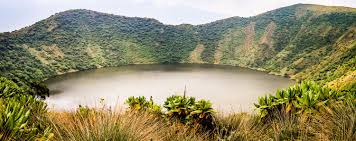
Embark on an unforgettable day hike to the summit of Mount Bisoke (Bisoke/Bisokye), one of Rwanda's eight majestic Virunga Volcanoes. Standing at 3,711 meters (12,175 feet), Mount Bisoke offers one of the most rewarding day hikes in East Africa, culminating in breathtaking views of a stunning crater lake at the summit. This active volcano, located on the border between Rwanda and the Democratic Republic of Congo, provides a challenging but achievable hike through diverse ecosystems, from lush bamboo forests to alpine meadows and volcanic scree.
Hiking Highlights:
- Crater Lake Summit: Witness the stunning crater lake at the volcano's summit
- Panoramic Views: 360-degree views of the Virunga Volcano chain
- Diverse Ecosystems: Hike through bamboo forests, heather zones, and alpine meadows
- Expert Guides: Professional hiking guides with extensive mountain experience
- Border Views: See both Rwanda and Democratic Republic of Congo from the summit
- Wildlife Encounters: Possible sightings of forest elephants, buffalo, and various primates
- Photography: Incredible landscape and geological photography opportunities
- Sense of Achievement: Conquer one of Africa's most accessible volcanic summits
About Mount Bisoke
The Volcano with a Crown Jewel
Mount Bisoke (also spelled Bisokye) is a stratovolcano in the Virunga Mountains of the Albertine Rift. It's part of the same volcanic chain as the more famous Mount Nyiragongo in DRC. The volcano's most distinctive feature is its summit crater lake, approximately 400 meters in diameter, formed by accumulated rainwater in the volcanic crater.
The stunning crater lake at Mount Bisoke's summit is one of its main attractions. The lake's depth varies with rainfall but typically reaches about 100 meters. The water's striking blue-green color contrasts dramatically with the surrounding volcanic rock, creating one of Africa's most beautiful and unique natural features.
Mount Bisoke is considered an active volcano, though its last significant eruption occurred in 1957. It experiences occasional seismic activity and fumarolic activity (steam vents) near the summit. The volcano is continuously monitored by the Goma Volcano Observatory, ensuring visitor safety.
The volcano's slopes are home to diverse ecosystems. The lower slopes feature dense montane forests with bamboo zones, home to golden monkeys and various bird species. Higher up, the vegetation changes to giant heather and lobelia, with the summit area being largely bare volcanic rock.
3,711 meters (12,175 feet) - one of the highest points in Rwanda
Stratovolcano (composite volcano) in the Virunga chain
6-8 hours round trip (4-5 hours up, 2-3 hours down)
Approximately 10km round trip with 1,200m elevation gain
Base: 15-20°C (59-68°F) | Summit: 5-10°C (41-50°F)
Dry seasons (June-September & December-February)
Well-defined but steep trail, can be muddy in rainy season
Yes - Volcanoes National Park hiking permit needed
Detailed Hiking Itinerary
MOUNT BISOKE HIKING DAY
Early Morning Pickup: Collection from your accommodation in Musanze or Kinigi (approximately 5:00-5:30 AM).
Transfer to Trailhead: Drive to the Mount Bisoke trailhead at Volcanoes National Park.
Registration & Briefing: Park registration, payment of fees, and safety briefing by park rangers.
Meet Your Guide: Introduction to your professional hiking guide and porters.
Final Preparation: Last-minute gear check, water fill-up, and stretching.
PHASE 1: BAMBOO FOREST (2,500-3,000m)
Start Time: Approximately 7:00 AM
Trail Description: The hike begins with a moderate climb through dense bamboo forest. This section is relatively shaded and offers protection from the sun.
Wildlife: Possible sightings of golden monkeys, various bird species, and forest antelope.
Duration: 1-1.5 hours to reach the bamboo forest edge.
Difficulty: Moderate - steady incline on well-defined trail.
PHASE 2: HEATHER ZONE (3,000-3,400m)
Transition: As you exit the bamboo forest, vegetation changes to giant heather and hypericum trees.
Trail Description: Trail becomes steeper with more exposed sections. Views begin to open up of surrounding volcanoes.
Vegetation: Unique alpine flora including giant lobelias and groundsels.
Duration: 1.5-2 hours through the heather zone.
Difficulty: Challenging - steeper incline, thinner air at altitude.
PHASE 3: ALPINE ZONE & SUMMIT PUSH (3,400-3,711m)
The Final Ascent: Above 3,400m, vegetation becomes sparse with only hardy alpine plants.
Trail Description: Steepest section of the hike, often with loose volcanic scree near the summit.
Altitude Effects: Most hikers feel the altitude here - pace is crucial.
Duration: 1-1.5 hours for the final ascent to the crater rim.
Difficulty: Very challenging - steep, high altitude, potentially slippery scree.
THE SUMMIT: CRATER LAKE (3,711m)
Arrival: Reach the crater rim with breathtaking first views of the crater lake.
Celebration: Time to celebrate your achievement with photos and snacks.
Lake Views: Walk around sections of the crater rim for different perspectives of the lake.
Panoramic Views: On clear days, see Mount Karisimbi, Mount Mikeno, and other Virunga volcanoes.
Summit Time: Approximately 30-45 minutes at the summit to rest and enjoy the views.
Safety: Stay on designated paths - the crater edges can be unstable.
DESCENT (3,711-2,500m)
Start Descent: Begin the return hike, typically taking a different (often easier) route down.
Descent Technique: Use poles if available, take care on loose scree sections.
Duration: 2-3 hours back to the trailhead.
Knee Care: Descent can be hard on knees - use poles and go slowly.
Return: Arrive back at the trailhead, typically between 2:00-4:00 PM.
Certificate Presentation: Receive your Mount Bisoke hiking certificate at park headquarters.
Return Transfer: Drive back to your accommodation in Musanze or Kinigi.
Evening Relaxation: Well-deserved rest after a challenging but rewarding day.
Optional Celebration: Dinner at a local restaurant to celebrate your achievement (not included).
Essential Hiking Gear & Preparation
Waterproof, ankle-supporting, broken-in boots
Lightweight, breathable, waterproof jacket
Moisture-wicking base, insulating mid, waterproof outer
Lightweight gloves for cold summit and vegetation protection
Sun protection - wide-brimmed hat and UV sunglasses
25-35L pack with rain cover for essentials
2-3 liters per person (hydration bladder recommended)
Nuts, energy bars, dried fruit, chocolate
With extra batteries (cold drains batteries faster)
High SPF (UV intensity increases with altitude)
Personal medications, blister treatment, pain relief
Optional but helpful in muddy conditions
Mount Bisoke is a challenging hike requiring good physical fitness. Recommended preparation includes regular cardiovascular exercise (walking, hiking, running, cycling) for several weeks before your hike. Practice hiking with elevation gain if possible. Altitude can affect anyone regardless of fitness level - proper acclimatization (spending a day or two at altitude before hiking) is highly recommended.
Essential Tips for Mount Bisoke Hike
Acclimatize: Arrive in Rwanda at least 1-2 days before your hike to acclimatize to the altitude. Hydration: Drink plenty of water before and during the hike - altitude increases dehydration risk. Pace Yourself: Go slow and steady - it's not a race. The summit will wait for you. Recognize Symptoms: Know the signs of altitude sickness (headache, nausea, dizziness) and communicate with your guide.
Early Start: Begin hiking early to avoid afternoon weather changes and have ample time. Pole Position: Consider using hiking poles - they reduce strain on knees, especially during descent. Layer Management: Add/remove layers as you heat up/cool down - avoid sweating excessively. Snack Regularly: Eat small, frequent snacks to maintain energy levels throughout the hike.
Battery Management: Keep camera batteries warm (inside jacket) as cold drains them faster. Lens Protection: Sudden weather changes can occur - have protection for your camera. Summit Photography: The crater lake is most photogenic in morning light. Panoramic Shots: Use panorama mode for the incredible 360-degree views from the summit.
Guide Instructions: Always follow your guide's instructions - they know the mountain and conditions. Weather Awareness: Mountain weather can change rapidly - be prepared for rain, wind, or cold. Turnaround Time: Your guide will determine a turnaround time if weather deteriorates or progress is too slow. Emergency Communication: Ensure your guide has communication equipment for emergencies.
Best Time for Mount Bisoke Hike:
- Dry Seasons (Best): June-September & December-February - clearer skies, drier trails
- Shoulder Seasons (Good): March-May & October-November - possible rain but fewer hikers
- Morning Hikes: Always start early to summit before potential afternoon clouds/rain
- Avoid Heavy Rain: The trail can be dangerously slippery during heavy rains
- Year-Round: Hiking is possible year-round with proper preparation
Permit Cost: Mount Bisoke hiking permits cost approximately $75 per person (subject to change). Booking: Permits should be booked in advance, especially during peak seasons. Inclusions: Permit includes park entry, guide services, and emergency support. Group Size: Maximum group size is typically 8 hikers per guide. Age Limit: Recommended minimum age is 15 due to hike difficulty.
Why Choose Mount Bisoke?
Mount Bisoke offers one of the most accessible true volcanic summit experiences in Africa. Unlike multi-day hikes to other volcanic summits, Bisoke can be conquered in a single day, making it perfect for travelers with limited time who still want a significant mountain achievement.
The stunning crater lake at the summit sets Mount Bisoke apart from other volcano hikes in the region. Few volcanic hikes in Africa offer such a dramatic and beautiful reward at the summit - the turquoise waters against dark volcanic rock create unforgettable photographic opportunities.
The hike takes you through multiple ecological zones in just a few hours: from tropical bamboo forests to sub-alpine heather zones to true alpine environments. This ecological diversity adds scientific and natural interest to the physical challenge of the hike.
At 3,711 meters, Mount Bisoke provides a genuinely challenging but achievable summit. The combination of altitude, steepness, and distance makes reaching the crater rim a significant accomplishment that will stay with you long after you return home.
Ready to Conquer Mount Bisoke?
Experience one of Africa's most rewarding day hikes and witness the breathtaking crater lake at the summit of this majestic volcano. Limited daily permits available.
Book This Volcano HikeContact our adventure specialists for permit availability and physical preparation advice for your Mount Bisoke hike.