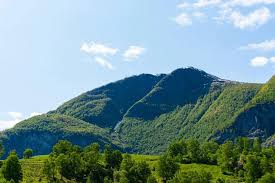
Conquer Rwanda's Highest Peak - Mount Karisimbi
Embark on the ultimate Rwandan adventure - a 2-day trek to summit Mount Karisimbi, the highest volcano in the Virunga Mountains at 4,507 meters (14,787 feet). This challenging but immensely rewarding overnight hike takes you through diverse ecosystems, from lush bamboo forests to alpine zones, culminating in a sunrise summit that offers panoramic views spanning Rwanda, Uganda, and the Democratic Republic of Congo. With an overnight camp at 3,700 meters, this expedition combines physical challenge with breathtaking natural beauty and a profound sense of achievement.
Expedition Highlights:
- Summit Achievement: Reach the highest point in Rwanda at 4,507 meters
- Sunrise Summit: Witness breathtaking sunrise views from the summit
- Overnight Camping: Experience high-altitude camping at 3,700 meters
- Panoramic Views: 360-degree views of all 8 Virunga Volcanoes and 3 countries
- Diverse Ecosystems: Hike through 4 distinct ecological zones
- Expert Mountain Guides: Professional guides with extensive high-altitude experience
- Porter Support: Porters to carry camping gear and shared equipment
- Photography: Unparalleled landscape photography opportunities
- Personal Achievement: One of East Africa's most rewarding summit challenges
About Mount Karisimbi
The Giant of the Virungas
Mount Karisimbi's name comes from the Kinyarwanda word "Irisimbi" which means "white shell" - a reference to the white cap of snow that occasionally appears on its summit during the dry season. This occasional snow cover makes it distinctive among African mountains at this latitude.
Karisimbi is a dormant stratovolcano in the Virunga Mountains, part of the Albertine Rift. It's the 11th highest mountain in Africa and the 5th highest volcano on the continent. The volcano last erupted approximately 10,000 years ago and is now considered dormant but not extinct.
Unlike Mount Bisoke, Karisimbi does not have a water-filled crater lake at its summit. Instead, it features a large, shallow caldera approximately 1.2km wide and 400m deep. The summit area is characterized by volcanic rock, sparse alpine vegetation, and occasionally, patches of snow.
The ascent of Karisimbi takes you through four distinct ecological zones: Montane Forest (2,400-2,800m), Bamboo Forest (2,800-3,300m), Hagenia-Hypericum Forest (3,300-3,800m), and Alpine Zone (3,800-4,507m). Each zone has unique flora and potentially different wildlife sightings.
4,507 meters (14,787 ft) - Rwanda's highest point
Dormant stratovolcano in Virunga chain
2 days, 1 night (12-14 hours total hiking)
Approximately 22km round trip
Camp at 3,700m before summit push
Can drop below freezing, especially at night
Basic mountain huts or tent camping
Dry seasons: June-September & Dec-Feb
Detailed 2-Day Expedition Itinerary
DAY 1: ASCENT TO HIGH-ALTITUDE CAMP
Early Morning Preparation: Final gear check and breakfast at your accommodation in Musanze (5:30 AM).
Transfer to Trailhead: Drive to the Mount Karisimbi trailhead at Volcanoes National Park headquarters.
Registration & Briefing: Park registration, permit verification, and comprehensive safety briefing.
Meet Expedition Team: Introduction to guides, assistant guides, and porters who will carry camping gear.
Start Ascent: Begin hiking from approximately 2,400m elevation (8:00 AM).
PHASE 1: MONTANE FOREST (2,400-2,800m)
Trail Description: Initial section through dense montane forest with gradual elevation gain.
Wildlife: Possible sightings of forest elephants, buffalo, various monkey species, and rich birdlife.
Duration: 1.5-2 hours through lush forest terrain.
Pace: Slow and steady to begin acclimatization.
PHASE 2: BAMBOO FOREST (2,800-3,300m)
Trail Transition: Enter the distinctive bamboo zone with towering bamboo stands.
Trail Description: Trail becomes steeper with more switchbacks. Bamboo provides partial shade.
Wildlife: Golden monkeys are frequently spotted in this zone.
Duration: 2-2.5 hours through bamboo forest.
Lunch Break: Stop for packed lunch around midday (elevation ~3,100m).
PHASE 3: HAGENIA-HYPERICUM FOREST (3,300-3,700m)
Vegetation Change: Transition to giant heather and hypericum trees with twisted, gnarled forms.
Trail Description: Steep, rocky trail with occasional muddy sections. Vegetation becomes sparser.
Altitude Awareness: Most hikers begin to feel altitude effects in this zone.
Duration: 2-3 hours through this sub-alpine forest zone.
Views: First panoramic views of surrounding volcanoes begin to emerge.
ARRIVAL AT HIGH-ALTITUDE CAMP (3,700m)
Camp Arrival: Reach the overnight camping area at approximately 3,700m (2:00-4:00 PM).
Camp Setup: Porters set up tents/camp while hikers rest and hydrate.
Accommodation: Basic mountain huts or shared tents (depending on season and group).
Evening Routine: Change into warm clothes, prepare sleeping arrangements.
Dinner: Hot dinner prepared by support team - high-carbohydrate meal for energy.
Evening Briefing: Guide discusses next day's summit attempt, weather conditions, and safety procedures.
Early Bedtime: Rest early (typically by 7:00 PM) for early morning summit attempt.
Night Conditions: Temperatures can drop below freezing - proper sleeping gear essential.
DAY 2: SUMMIT ATTEMPT & DESCENT
Very Early Wake-up: Wake-up call between 3:00-4:00 AM depending on conditions.
Pre-dawn Preparation: Quick breakfast, final gear check, and preparation for summit attempt.
Start Summit Push: Begin hiking in darkness with headlamps (4:00-5:00 AM).
SUMMIT PUSH: ALPINE ZONE (3,700-4,507m)
Initial Section: Steep ascent through remaining forest and into alpine zone.
Altitude Challenge: This section is physically demanding due to high altitude and steep terrain.
Trail Conditions: Rocky, sometimes slippery trail with potential for patches of snow/ice.
Pacing: Slow, deliberate pace with frequent short breaks for acclimatization.
Sunrise: Witness spectacular sunrise over the Virunga Mountains during ascent.
Final Ascent: Last section to summit involves scrambling over volcanic rock.
Duration: 4-6 hours from camp to summit depending on fitness and acclimatization.
🏆 SUMMIT ACHIEVEMENT - 4,507 METERS 🏆
Summit Arrival: Reach the highest point in Rwanda (typically 8:00-10:00 AM).
Celebration: Time to celebrate your achievement at the summit.
Summit Views: On clear days, see all 8 Virunga Volcanoes, Lake Kivu, and into Uganda and DRC.
Photography: Unparalleled photo opportunities - bring extra camera batteries (cold drains them fast).
Summit Time: 30-60 minutes at summit depending on weather conditions.
Summit Register: Sign the summit register if available.
Weather Awareness: Summit time may be shortened if weather deteriorates.
DESCENT TO CAMP (4,507-3,700m)
Begin Descent: Start return hike to high-altitude camp.
Descent Technique: Careful descent on steep, rocky trail - can be hard on knees.
Duration: 2-3 hours back to camp.
Camp Arrival: Return to camp typically between 11:00 AM - 1:00 PM.
Break at Camp: Rest, hydrate, and have lunch before continuing descent.
Pack Up: Break down camp and prepare for final descent to trailhead.
FINAL DESCENT TO TRAILHEAD (3,700-2,400m)
Continue Descent: Complete the return hike through all ecological zones.
Descent Duration: 4-5 hours from camp to trailhead.
Trailhead Arrival: Return to starting point typically between 3:00-5:00 PM.
Certificate Presentation: Receive your Mount Karisimbi summit certificate.
Tip Porters/Guides: Opportunity to tip support team (customary and appreciated).
Return Transfer: Drive back to your accommodation in Musanze.
Evening: Well-deserved rest, hot shower, and celebration dinner (optional).
Accommodation: Overnight at your hotel/lodge in Musanze (included).
Essential Expedition Gear & Preparation
Sturdy, waterproof, broken-in mountain boots
Down or synthetic insulated jacket for camp/summit
Rated to at least -5°C (23°F) for high-altitude camping
Insulated sleeping pad for ground insulation
Insulated gloves for cold summit morning
Beanie or balaclava for cold temperatures
With extra batteries for pre-dawn summit attempt
35-45L pack for personal gear during hike
3-4 liters capacity (hydration system recommended)
Energy bars, nuts, chocolate, electrolytes
With extra batteries kept warm in jacket
Personal meds, blister treatment, altitude medication
Mount Karisimbi is a serious high-altitude expedition requiring excellent physical fitness and proper acclimatization. Recommended preparation includes: 2-3 months of regular cardio training (hiking with elevation gain, running, cycling); strength training for legs and core; spending 2-3 days at altitude in Rwanda before the hike; considering altitude medication (consult doctor); being mentally prepared for challenging conditions. This is not a hike for beginners or those with significant health issues.
Essential Tips for Karisimbi Expedition
Acclimatization: Arrive in Rwanda 3-4 days before your hike to acclimatize. Hydration: Drink 4-5 liters of water daily starting 2 days before hike. Medication: Consider Diamox (acetazolamide) - consult your doctor. Climb High, Sleep Low: The 2-day itinerary follows this principle. Symptoms Monitoring: Know signs of AMS (headache, nausea, dizziness) and communicate with guide.
Sleep System: Test your sleeping bag/pad combination before the trip. Layering: Sleep in base layers - avoid sweating in sleeping bag. Hydration at Night: Keep water accessible for nighttime sips. Head Elevation: Sleep with head slightly elevated to reduce AMS symptoms. Restroom Strategy: Be prepared for nighttime bathroom trips in cold conditions.
Early Start: Pre-dawn start maximizes chance of clear summit views. Layer Management: Start cold - you'll warm up quickly with exertion. Pacing: "Pole pole" (slowly slowly) - sustainable pace wins. Nutrition: Eat small, frequent snacks throughout ascent. Turnaround Time: Guide will set turnaround time based on conditions and pace.
Guide Authority: Guides have final say on safety decisions - respect their judgment. Weather: Mountain weather changes rapidly - be prepared for all conditions. Group Cohesion: Stay with your group - don't separate on trail. Emergency Plan: Guides carry communication equipment and have evacuation plans. Insurance: MUST have insurance covering high-altitude hiking and evacuation.
Best Time for Karisimbi Expedition:
- Dry Seasons (Best): June-September & December-February - most stable weather
- Shoulder Seasons (Possible): March-May & October-November - more challenging conditions
- Avoid Heavy Rains: April-May can have torrential rains making trails dangerous
- Temperature Considerations: December-February can be coldest at summit
- Cloud Cover: Mornings typically clearest for summit views
Permit Cost: Karisimbi hiking permits cost approximately $400 per person (2-day permit). Booking: Must be booked well in advance - limited daily slots. Inclusions: Permit includes park entry, guide, porters, camping fees, rescue coverage. Group Size: Maximum 8 hikers per guide for safety. Age Limit: Minimum 18 years recommended due to difficulty. Porters: Each hiker typically has 1 porter for shared gear (personal porter optional).
Why Climb Mount Karisimbi?
Mount Karisimbi represents the pinnacle of Rwandan adventure tourism. Summiting the highest point in the country is a significant achievement that few visitors accomplish. The 2-day expedition format provides a more immersive mountain experience than day hikes, with the unique opportunity of high-altitude camping and a pre-dawn summit attempt.
On clear days, the Karisimbi summit offers unparalleled 360-degree views spanning Rwanda, Uganda, and the Democratic Republic of Congo. You can see all 8 Virunga Volcanoes, Lake Kivu, and on exceptionally clear days, even glimpses of Lake Edward. This panoramic vista is one of Africa's most spectacular mountain views.
The ascent of Karisimbi takes you through four distinct ecological zones in just two days - a rapid vertical transect that would normally require traveling hundreds of kilometers horizontally. This ecological compression provides a unique educational opportunity about montane ecosystems and their conservation.
At 4,507 meters with significant elevation gain over two days, Karisimbi represents a genuine physical and mental challenge. Successfully summiting requires preparation, determination, and resilience. The sense of achievement upon reaching the summit is profound and lasting.
Ready for the Ultimate Rwandan Adventure?
Challenge yourself to summit Rwanda's highest peak and experience one of East Africa's most rewarding mountain expeditions. Limited permits available - serious preparation required.
Book This Summit ExpeditionContact our mountain specialists for detailed preparation advice and permit availability for your Karisimbi expedition.