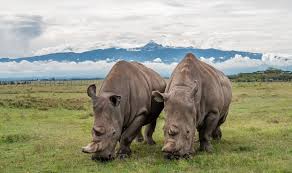
Conservation at Its Most Critical: Saving Rhinos from Extinction
Embark on a powerful 2-day conservation-focused safari to Ol Pejeta Conservancy, home to the last two northern white rhinos on Earth and East Africa's largest black rhino sanctuary. This short but profound experience offers intimate encounters with these magnificent prehistoric creatures while learning about the critical conservation efforts to save them from extinction. Your visit directly supports rhino protection and community development initiatives.
Safari Highlights:
- Meet Najin & Fatu: Visit the last two northern white rhinos - the most endangered mammals on Earth
- Black Rhino Sanctuary: See East Africa's largest population of critically endangered black rhinos
- Conservation Education: Learn about cutting-edge rhino protection technologies and methods
- Behind-the-Scenes Access: Special access to rhino areas with expert conservationists
- Chimpanzee Sanctuary: Visit Sweetwaters Chimpanzee Sanctuary within the conservancy
- Direct Contribution: Your visit fee directly funds rhino conservation efforts
- Night Game Drive: Optional night drive to see nocturnal wildlife
- Community Impact: Learn how conservation benefits local communities
Detailed Safari Itinerary
DAY 1: NAIROBI TO OL PEJETA CONSERVANCY
Morning Pickup: Collection from your Nairobi hotel or Jomo Kenyatta International Airport (early start recommended).
Scenic Drive North: Journey through Kenya's Central Highlands with views of Mount Kenya (weather permitting).
Equator Crossing: Stop at the equator line for photo opportunities and water demonstration.
Arrival at Nanyuki: Stop in Nanyuki town for last-minute supplies or coffee break.
Conservancy Entry: Arrive at Ol Pejeta Conservancy gates and complete registration.
Introduction to Conservation: Brief orientation about Ol Pejeta's mission and conservation model.
Lunch at Conservancy: Lunch at one of the conservancy's restaurants or your lodge.
Afternoon Rhino Experience: First game drive focusing on rhino habitats and viewing areas.
Black Rhino Tracking: Guided experience to track and observe black rhinos in their sanctuary.
Lodge Check-in: Arrive at your accommodation within the conservancy.
Evening Conservation Talk: Presentation by conservancy staff on rhino protection efforts.
Optional Night Drive: Night game drive to see nocturnal species (extra cost, subject to availability).
Dinner & Reflection: Dinner at your lodge with opportunity to discuss the day's experiences.
DAY 2: NORTHERN WHITE RHINOS & RETURN TO NAIROBI
Early Morning Game Drive: Sunrise drive focusing on predator activity and general wildlife.
Breakfast at Lodge: Return to your accommodation for breakfast.
Northern White Rhino Visit: Special visit to meet Najin and Fatu, the last two northern white rhinos.
Conservationist Meeting: Opportunity to speak with rhino caregivers and conservation staff.
Rhino Protection Demonstration: See anti-poaching technologies and methods in action.
Sweetwaters Chimpanzee Sanctuary: Visit this sanctuary for rescued chimpanzees with guided tour.
Conservation Center Visit: Tour the conservancy's education and research facilities.
Final Game Drive: Last opportunity for wildlife viewing and photography.
Check-out: Prepare for departure from the conservancy.
Lunch: Lunch at conservancy restaurant before departure.
Optional Activities: Depending on departure time:
- Visit to Morani Information Center: Learn about individual rhinos and their stories
- Birdwatching: Ol Pejeta has over 500 bird species
- Gift Shop: Purchase conservation-themed souvenirs
Depart Ol Pejeta: Begin journey back to Nairobi.
Arrival in Nairobi: Arrive in Nairobi by late afternoon/early evening.
Final Options:
- Transfer to Jomo Kenyatta International Airport for evening flights
- Drop-off at your Nairobi hotel if extending your stay
Farewell & Conservation Pledge: Receive your Ol Pejeta conservation certificate.
Extension Suggestions: Combine with Mount Kenya climbing, Samburu National Reserve, or Lake Nakuru.
Why Ol Pejeta Conservancy is Unique
Ol Pejeta is home to Najin and Fatu, the last two northern white rhinos on Earth. These two females represent the end of a lineage unless scientific breakthroughs in assisted reproduction succeed. Their 24/7 armed protection symbolizes the extreme measures needed to save species from extinction.
Ol Pejeta operates a unique model combining wildlife conservation, sustainable agriculture, and community development. The conservancy generates income from tourism, commercial ranching, and renewable energy, making it 80% self-sustaining while creating jobs and supporting local schools and clinics.
The conservancy employs some of the world's most advanced anti-poaching technologies including drone surveillance, specialized K-9 units, dedicated rhino protection units, and real-time monitoring systems. This multi-layered approach has made Ol Pejeta one of Africa's most secure rhino sanctuaries.
While famous for rhinos, Ol Pejeta also protects other endangered species including Grevy's zebra, Jackson's hartebeest, and chimpanzees (at Sweetwaters Sanctuary). The conservancy demonstrates that protecting flagship species like rhinos benefits entire ecosystems.
Ol Pejeta's Conservation Stars
Last two northern white rhinos on Earth
East Africa's largest population
Successful breeding population
Rescued chimps at Sweetwaters Sanctuary
World's largest population of this rare zebra
Reintroduced population thriving
Healthy population of this distinct subspecies
Important bird area with diverse habitats
Conservation Rules & Ethics:
- Respect Boundaries: Always maintain safe distance from wildlife, especially rhinos
- No Flash Photography: When photographing animals to avoid disturbance
- Follow Guide Instructions: Especially in sensitive conservation areas
- No Feeding Animals: Do not feed any wildlife
- Stay on Designated Roads: To minimize habitat disturbance
- Quiet Observation: Keep voices low near wildlife
- Support Conservation: Consider additional donations to specific programs
- Share Responsibly: Be mindful when sharing location information on social media
The northern white rhino was once found across parts of Uganda, Chad, Sudan, Central African Republic, and Democratic Republic of Congo. Decades of poaching and civil conflict reduced their numbers to just two females today. Ol Pejeta brought the last breeding males to Kenya in 2009 in a final attempt to save the subspecies. While natural breeding failed, scientists are now using advanced reproductive technologies including in-vitro fertilization and stem cell research in a race against extinction.
Essential Conservation Safari Gear
Khaki, green, brown - avoid bright colors
Mornings and evenings can be cool at 1,800m altitude
High SPF sunscreen, hat, sunglasses essential
Stay hydrated, conservancy promotes sustainability
With telephoto lens (200-400mm ideal for wildlife)
Essential for wildlife viewing
For recording observations and conservation information
Personal medications, malaria prophylaxis recommended
Essential Tips for Conservation Safari
Ask Questions: Engage with guides and conservation staff - they're passionate experts. Early Visits: Animals are most active in early morning. Patience: Rhino viewing may require patience as they're wild animals. Educational Focus: This is as much a learning experience as a wildlife viewing one.
Respectful Distance: Use zoom lenses rather than approaching too close. No Flash: Never use flash photography with rhinos or other wildlife. Behavior First: Focus on capturing natural behaviors rather than just portraits. Conservation Stories: Photograph the protection efforts as well as the animals.
Malaria Area: Prophylaxis recommended - consult your doctor. Sun Protection: High SPF essential at equatorial altitude. Hydration: Drink plenty of water throughout the day. Travel Insurance: Must include medical evacuation coverage.
Direct Donations: Consider donating to specific programs like rhino protection. Sustainable Souvenirs: Purchase from conservancy gift shops where proceeds support conservation. Share Responsibility: Educate others about conservation challenges when sharing your experience. Follow Up: Stay connected with Ol Pejeta's work after your visit.
Best Time for Ol Pejeta Visit:
- Year-Round: Ol Pejeta offers excellent wildlife viewing throughout the year
- Dry Season (Best): June-October & January-February - easier wildlife viewing as animals congregate at water sources
- Green Season (Beautiful): November-December & March-May - lush vegetation, excellent photography
- Cooler Months: June-August - pleasant temperatures for game drives
- Weekdays: Consider visiting on weekdays for fewer visitors
Entry Fees: Conservancy fees directly fund protection of rhinos and other wildlife. Employment: Tourism creates jobs for local community members. Community Projects: Portion of tourism revenue funds schools, clinics, and water projects. Awareness: Your visit and sharing of the experience raises global awareness about conservation challenges. Adoption Programs: Consider symbolic adoption of a rhino to provide ongoing support.
Be Part of Conservation History
Visit the last two northern white rhinos and support critical conservation efforts. Your visit makes a direct difference in the fight against extinction.
Book This Conservation SafariContact our conservation specialists for the best time to visit and to learn about rhino adoption programs.