Conquer the Mountains of the Moon
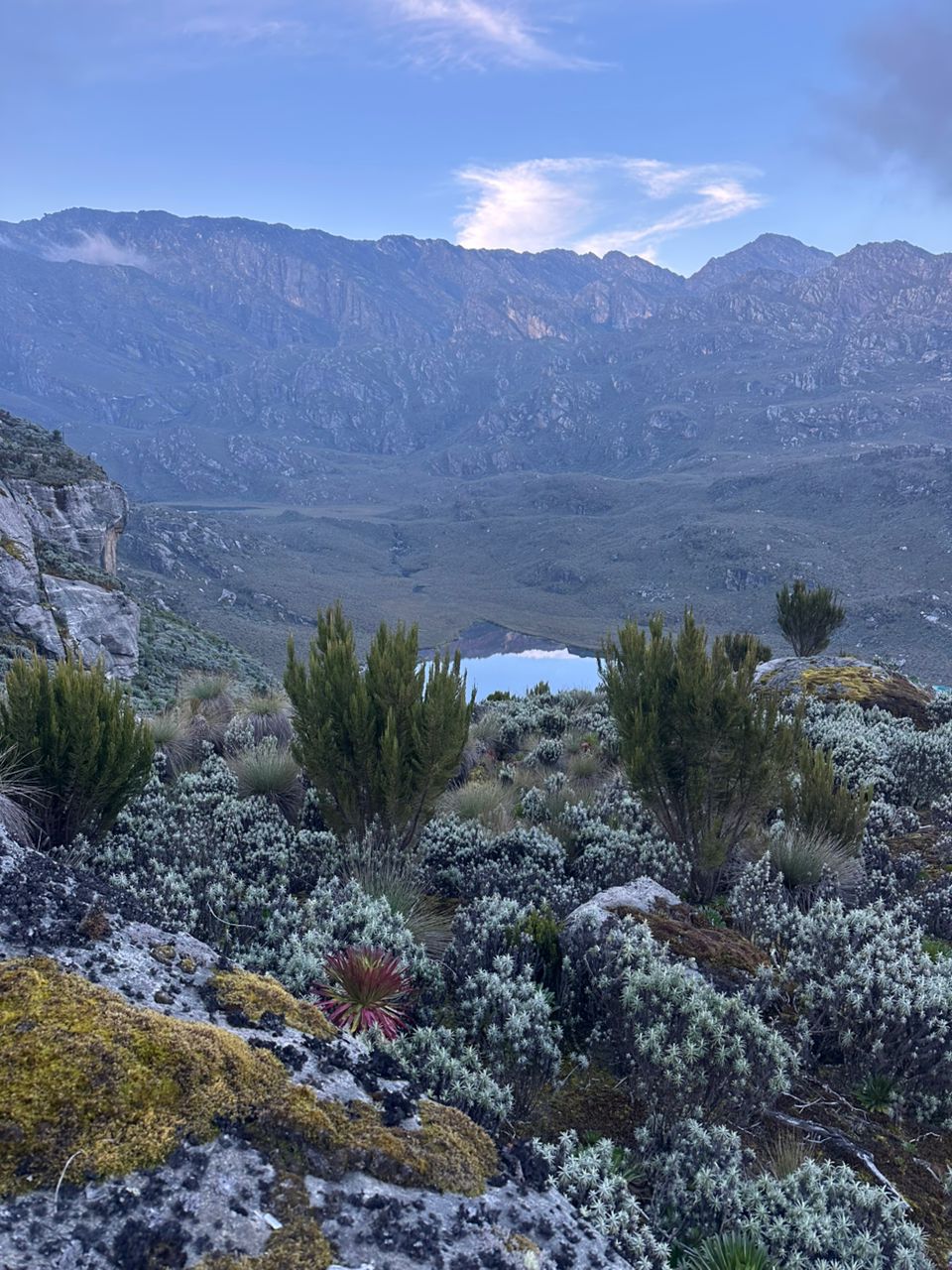
Embark on a 4-day epic adventure into Uganda's Rwenzori Mountains, famously known as the "Mountains of the Moon." This challenging yet rewarding hike takes you to Bujuku Hut at 3,962 meters, through some of Africa's most spectacular alpine scenery. The Rwenzoris offer a unique trekking experience with their otherworldly landscapes, giant lobelias, and stunning glacial valleys. This compact trek is perfect for adventurous hikers seeking a challenging African mountain experience without attempting the full Margherita Peak summit.
Trek Highlights:
- Bujuku Hut: Overnight at 3,962m with stunning mountain views
- Alpine Vegetation: See giant lobelias, groundsels, and heather forests
- Glacial Valleys: Trek through breathtaking glacial valleys and moraines
- UNESCO World Heritage Site: Explore this unique protected ecosystem
- Professional Guides: Experienced Rwenzori Mountaineering Services guides
- Porters Included: Porters to carry your main backpack
- Mountain Huts: Comfortable overnight accommodation in mountain huts
- Unique Biodiversity: Discover plants and animals found nowhere else
Detailed Trek Itinerary
DAY 1: KASESE TO NYAKALENGIJO TO NYABITABA HUT
Morning: Depart from Kasese or pick-up from your hotel in the Rwenzori region.
Briefing: Arrive at Rwenzori Mountaineering Services (RMS) headquarters at Nyakalengijo (1,646m).
Registration: Complete park formalities, meet your guide and porters.
Begin Trek: Start hiking through cultivated foothills and local communities.
Mahoma River: Cross the Mahoma River and enter the national park boundary.
Forest Zone: Trek through montane forest with possibility of seeing primates.
Kurt Shafer Bridge: Cross this historic bridge over the Mubuku River.
Steep Ascent: Climb steeply through bamboo and podocarpus forest.
Arrival at Hut: Reach Nyabitaba Hut (2,652m) in late afternoon.
Evening: Settle in, dinner, and briefing about next day's trek.
Overnight: Nyabitaba Hut - basic but comfortable mountain accommodation.
Distance: 5-6 hours hiking, 8km, 1,006m ascent.
DAY 2: NYABITABA TO JOHN MATTE HUT
Early Breakfast: Breakfast at Nyabitaba Hut.
Morning Start: Begin descent to the Mubuku River through slippery moss-covered rocks.
River Crossings: Cross the Mubuku River using wooden bridges and possibly wading.
Kichuchu: Pass through the Kichuchu rock shelter area.
Bamboo Zone: Enter dense bamboo forest section.
Steep Climb: Ascend through giant heather and lobelia zone.
Lunch Break: Stop for packed lunch along the trail.
Boggy Sections: Navigate through muddy, boggy sections on boardwalks.
Bigo Bog: Cross the famous Bigo Bog using wooden boardwalks.
Arrival at Hut: Reach John Matte Hut (3,414m) in late afternoon.
Acclimatization: Rest and acclimatize to the higher altitude.
Evening: Dinner and overnight at John Matte Hut.
Distance: 6-7 hours hiking, 11km, 762m ascent.
DAY 3: JOHN MATTE TO BUJUKU HUT AND RETURN
Early Start: Breakfast and preparation for the day's challenging trek.
Upper Bigo Bog: Cross the upper sections of Bigo Bog.
Boardwalks: Use extensive boardwalk systems through boggy areas.
Bujongolo: Pass Bujongolo rock shelter and view Kitchen Cave.
Lobelia Forests: Enter zone of giant lobelias and groundsels.
Steep Ascent: Climb steeply toward Bujuku Lake and hut.
Glacial Valleys: Trek through stunning glacial valleys with panoramic views.
Lunch at Hut: Arrive at Bujuku Hut (3,962m) for lunch and rest.
Exploration: Explore around Bujuku Lake and enjoy the alpine scenery.
Photography: Capture stunning photos of the unique landscape.
Return Trek: Begin descent back to John Matte Hut.
Arrival: Return to John Matte Hut in late afternoon.
Celebration: Celebrate reaching Bujuku Hut with special dinner.
Overnight: John Matte Hut for second night.
Distance: 7-8 hours hiking, 14km round trip, 548m ascent/descent.
DAY 4: JOHN MATTE TO NYAKALENGIJO AND DEPARTURE
Final Breakfast: Breakfast at John Matte Hut.
Descent Begins: Start the return trek to Nyakalengijo.
Retrace Route: Follow the same trail back through Bigo Bog.
Lunch Break: Stop for lunch at Nyabitaba Hut or along the trail.
Forest Descent: Descend through bamboo and montane forest zones.
River Crossings: Recross the Mubuku River.
Final Ascent: Last climb up to Nyabitaba Hut area.
Descend to Trailhead: Final descent to Nyakalengijo park headquarters.
Certificate Presentation: Receive your Rwenzori trekking certificate.
Farewell: Say goodbye to your guide and porters.
Transfer: Return transport to Kasese or your next destination.
Evening: Arrive in Kasese, option for overnight or departure.
Distance: 6-7 hours hiking, 19km descent.
The Unique Rwenzori Ecosystem
Dense forest with bamboo, podocarpus, and mahogany trees. Home to primates like chimpanzees and colobus monkeys.
Thick bamboo forests creating a distinctive environment with unique bird species and smaller mammals.
Giant heather trees up to 12m tall, creating an eerie, beautiful landscape with moss-covered branches.
Otherworldly landscape with giant lobelias, groundsels, and eternal flowers. Home to unique alpine species.
The Rwenzori Mountains National Park was declared a UNESCO World Heritage Site in 1994 due to its exceptional natural beauty and unique biodiversity. The park protects Africa's third highest mountain range and its distinctive flora and fauna.
Essential Trekking Information
Start: 1,646m
Highest: 3,962m
Total Ascent: 2,316m
Descent: 2,316m
Day 1: 8km
Day 2: 11km
Day 3: 14km
Day 4: 19km
Total: 52km
Day 1: 5-6 hours
Day 2: 6-7 hours
Day 3: 7-8 hours
Day 4: 6-7 hours
Total: 24-28 hours
Base: 15-25°C
Bujuku Hut: 0-10°C
Night: Can drop below freezing
Variable weather conditions
What's Included in the Trek:
- All park entry fees and permits
- Professional RMS mountain guide
- Porters (1 porter per 2 clients for main bags)
- All meals during the trek
- Mountain hut accommodation
- Cooking equipment and utensils
- Emergency oxygen and first aid kit
- Certificate of achievement
What's NOT Included:
- Personal trekking gear and clothing
- Tips for guides and porters
- Accommodation before/after trek
- Travel insurance (mandatory)
- Alcoholic beverages
- Personal expenses
Essential Tips for Rwenzori Trekking
Cardio Training: Start 2-3 months before with regular hiking, stair climbing, or running. Leg Strength: Focus on quadriceps, hamstrings, and calf muscles. Altitude Training: If possible, train at altitude or use stair machines. Endurance: Build up to 6-8 hour hikes with a loaded daypack.
Footwear: Waterproof hiking boots (broken in), gaiters, spare laces. Clothing: Moisture-wicking base layers, insulating mid-layers, waterproof outer shell. Cold Weather: Warm hat, gloves, thermal socks (multiple pairs). Rain Protection: Quality rain jacket and pants - Rwenzori is notoriously wet.
Altitude Awareness: Understand symptoms of AMS (headache, nausea, fatigue). Hydration: Drink 3-4 liters of water daily, more if sweating heavily. Medication: Consider Diamox for altitude prevention (consult doctor). First Aid: Personal blister kit, pain relief, any personal medications.
Protection: Waterproof camera bag or multiple plastic bags. Batteries: Cold drains batteries quickly - carry spares in inner pockets. Lenses: Wide angle for landscapes, zoom for distant peaks. Filters: Polarizing filter reduces glare from wet vegetation and water.
Waterproof, ankle-supporting, well broken-in
Jacket and pants - essential for wet conditions
30-40L for daily essentials, rain cover
Waterproof outer, thermal inner gloves
With extra batteries for early starts
Multiple pairs, moisture-wicking, warm
Highly recommended for steep sections
Personal medications, blister care, pain relief
Best Time for Rwenzori Trekking:
- Dry Seasons (Recommended): December-February & June-August - best trail conditions
- Shoulder Seasons: March-May & September-November - potentially wetter but fewer trekkers
- Avoid: April-May - heaviest rainfall, very challenging conditions
- Peak Season: July-August & December-January - book well in advance
- Note: Rwenzori Mountains are wet year-round - always be prepared for rain
Acclimatization: The 4-day itinerary allows reasonable acclimatization. Hydration: Drink at least 3-4 liters of water daily. Pace: "Pole pole" (slowly slowly) - maintain steady, moderate pace. Medication: Consult doctor about Diamox before your trip. Listen to Body: Report any symptoms to your guide immediately.
Ready for Your Mountain Adventure?
Challenge yourself on this epic 4-day trek through the magical Rwenzori Mountains. Experience unique alpine ecosystems and conquer Bujuku Hut at 3,962 meters.
Book This Mountain TrekContact our mountain specialists for fitness assessment and the best time for your Rwenzori adventure.