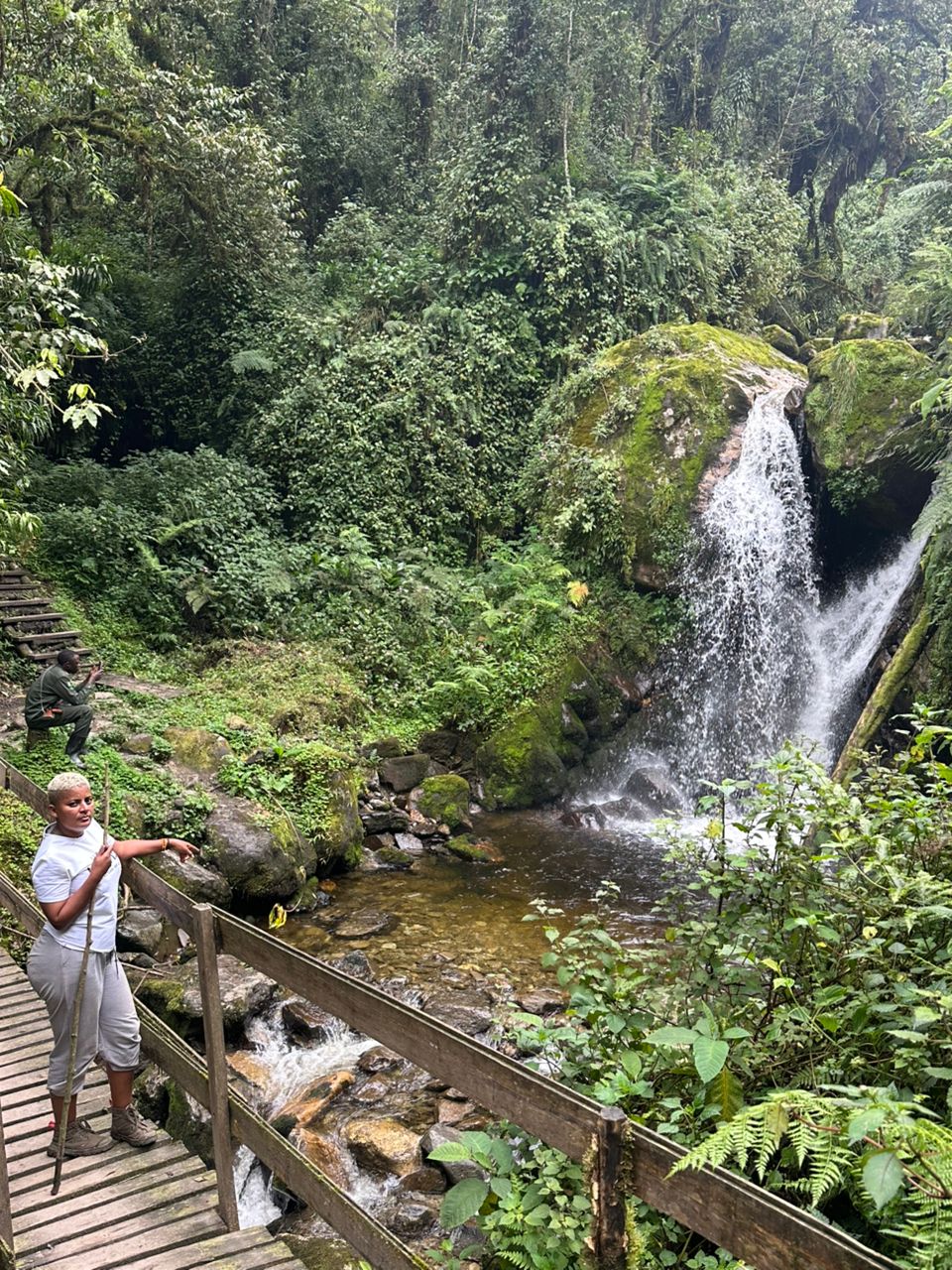
Africa's Legendary "Mountains of the Moon"
Embark on a 9-day expedition to the Rwenzori Mountains, Africa's legendary "Mountains of the Moon" described by ancient Greek geographer Ptolemy. This challenging technical climb takes you through otherworldly landscapes of giant lobelias, heather forests, and permanent glaciers. Unlike Kilimanjaro, Rwenzori offers true alpine climbing with technical sections requiring ropes and ice axes. Summit Margherita Peak, the third highest peak in Africa, in one of the continent's most spectacular and least-visited mountain ranges.
Expedition Highlights:
- Technical Climbing: Real mountaineering with ropes, crampons, and ice axes
- Unique Flora: Giant lobelias, groundsels, and heather trees - "Africa's Botanical Big Game"
- Permanent Glaciers: Africa's few remaining tropical glaciers
- Margherita Peak: Summit the third highest peak in Africa at 5,109m
- Professional Guides: UIAGM certified mountain guides
- Small Groups: Maximum 6 climbers for safety and personalized attention
- Mountain Huts: Comfortable mountain huts along the route
- UNESCO World Heritage Site: Climb in a protected biosphere reserve
The Rwenzori Peaks
5,109m (16,763ft)
Highest peak, technical glacier climb
Technical ice climbing required
5,109m (16,763ft)
Africa's 3rd highest mountain
6 major glaciers including Stanley
4,890m (16,040ft)
Named after explorer John Speke
Between Stanley and Baker
4,844m (15,892ft)
Named after explorer Samuel Baker
1906 by Duke of Abruzzi
4,798m (15,741ft)
Named after explorer Emin Pasha
Umberto Peak is main summit
4,715m (15,469ft)
Named after explorer Romolo Gessi
Northernmost major peak
Detailed Climbing Itinerary
DAY 0: ARRIVAL IN KASESE
Arrival: Arrive in Kasese town, gateway to Rwenzori Mountains.
Briefing: Comprehensive expedition briefing with head guide.
Gear Check: Thorough check of all climbing equipment.
Technical Equipment: Distribution of ropes, harnesses, crampons, ice axes.
Meet the Team: Introduction to guides, porters, and cook.
Final Preparations: Packing for the mountain.
Accommodation: Overnight at hotel in Kasese.
Health Check: Initial medical assessment.
DAY 1: KASESE TO NYAKALENGIJA TO NYABITABA HUT
Elevation: 1,615m to 2,652m (5,300ft to 8,700ft)
Hiking Time: 5-7 hours
Distance: 12km
Habitat: Cultivated slopes, bamboo forest
Morning: Transfer to Rwenzori Mountaineering Services (RMS) office at Nyakalengija.
Registration: Complete park formalities, meet porters.
Begin Trek: Start through villages and cultivated slopes.
River Crossings: Cross Mubuku River via traditional bridge.
Bamboo Zone: Enter dense bamboo forest.
Kurt Shafer Bridge: Cross spectacular bridge over Mubuku River.
Arrival: Reach Nyabitaba Hut (2,652m).
Evening: Settle into mountain hut, dinner, briefing.
Wildlife: May hear chimpanzees or see black and white colobus monkeys.
DAY 2: NYABITABA TO JOHN MATTE HUT
Elevation: 2,652m to 3,414m (8,700ft to 11,200ft)
Hiking Time: 6-8 hours
Distance: 11km
Habitat: Rainforest, giant lobelia zone
Challenging Day: Steep, muddy trails through rainforest.
Kanyamwamba River: Cross via log bridges.
Giant Lobelia Zone: Enter surreal landscape of giant lobelias and groundsels.
Bujuku Valley: Descend into beautiful Bujuku Valley.
River Crossings: Multiple river crossings - feet will get wet!
Mubuku River: Cross via makeshift bridges or wading.
Arrival: Reach John Matte Hut (3,414m).
Evening: Rest in hut, spectacular views of surrounding peaks.
Altitude Note: First night above 3,000m.
DAY 3: JOHN MATTE TO BUJUKU HUT
Elevation: 3,414m to 3,962m (11,200ft to 13,000ft)
Hiking Time: 4-6 hours
Distance: 5km
Habitat: Alpine zone, giant heather
Short but Tough: Steep ascent through boggy terrain.
Bigo Bog: Navigate through famous Bigo Bog - expect mud!
Boardwalks: Some sections have wooden boardwalks.
Giant Heather: Pass through forests of giant heather trees.
Bujuku Lake: Spectacular alpine lake at 3,950m.
Arrival: Reach Bujuku Hut (3,962m) by Lake Bujuku.
Views: Spectacular views of Mounts Stanley, Speke, and Baker.
Acclimatization: Afternoon rest critical for altitude adaptation.
Summit Preparation: Briefing about tomorrow's climb.
DAY 4: ACCLIMATIZATION DAY AT BUJUKU
Rest Day: Crucial acclimatization day.
Options:
- Rest: Complete rest at Bujuku Hut
- Short Hike: Optional hike to Scott Elliot Pass (4,372m)
- Photography: Explore Lake Bujuku area for photography
- Skills Practice: Basic ice axe and crampon practice if conditions allow
Hydration: Important to drink plenty of fluids.
Health Monitoring: Detailed health checks by guides.
Summit Briefing: Detailed briefing about Margherita Peak ascent.
Equipment Check: Final check of all technical gear.
Mental Preparation: Prepare for challenging two days ahead.
Early Night: Early dinner and bedtime.
This rest day significantly increases summit success chances by allowing body to adapt to altitude.
DAY 5: BUJUKU TO ELENA HUT
Elevation: 3,962m to 4,541m (13,000ft to 14,900ft)
Hiking Time: 4-6 hours
Distance: 4km
Habitat: Alpine, rocky terrain
Challenging Ascent: Steep climb to Scott Elliot Pass.
Scott Elliot Pass: Reach pass at 4,372m with spectacular views.
Glacier Views: First views of Stanley Glacier.
Rocky Terrain: Scramble over rocky terrain to Elena Hut.
Arrival: Reach Elena Hut (4,541m), base for summit attempt.
High Altitude: First night above 4,500m.
Summit Briefing: Final detailed briefing about summit day.
Early Dinner: Light dinner, try to rest.
Final Preparation: Organize summit gear, early bedtime.
DAY 6: SUMMIT DAY! ELENA HUT TO MARGHERITA PEAK TO KITANDARA HUT
Elevation: 4,541m to 5,109m to 4,023m (14,900ft to 16,763ft to 13,200ft)
Climbing Time: 10-14 hours round trip
Technical Grade: Alpine PD+
Habitat: Glacier, rock, ice
Early Start: Wake up around 2-3 AM, breakfast, final preparations.
Begin Climb: Start climbing in darkness with headlamps.
Stanley Glacier: Cross Stanley Glacier - ropes, crampons required.
Technical Sections: Some steep ice sections requiring front-pointing.
Margherita Camp: Rest point at base of final summit pyramid.
Final Ascent: Steep climb to summit ridge.
SUMMIT! Reach Margherita Peak (5,109m) - third highest in Africa!
Celebration: Photos, sign summit register, take in incredible views.
Descent: Careful descent back to Elena Hut.
Continue Descent: Descend to Kitandara Hut (4,023m).
Arrival: Exhausted but triumphant arrival at Kitandara Hut.
Celebration: Celebrate successful summit!
DAY 7: KITANDARA TO GUY YEOMAN HUT
Elevation: 4,023m to 3,505m (13,200ft to 11,500ft)
Hiking Time: 5-7 hours
Distance: 8km
Habitat: Alpine moorland, bog
Fresh Kitandara Lakes: Morning views of beautiful twin lakes.
Freshfield Pass: Cross pass at 4,282m.
Spectacular Views: Views of Mount Baker and surrounding peaks.
Bujongolo: Historical base camp of early expeditions.
Descent: Steep descent through Kabamba Valley.
Arrival: Reach Guy Yeoman Hut (3,505m).
Evening: Relax, reflect on summit success.
Physical Recovery: Body begins recovery from summit effort.
DAY 8: GUY YEOMAN TO NYABITABA HUT
Elevation: 3,505m to 2,652m (11,500ft to 8,700ft)
Hiking Time: 6-8 hours
Distance: 12km
Habitat: Bamboo forest, rainforest
Descent: Long descent back through bamboo zone.
Kilembe Route Junction: Pass junction with alternative route.
Mubuku River: Cross river multiple times.
Nyamuleju Junction: Pass junction, continue descent.
Arrival: Return to Nyabitaba Hut (2,652m).
Final Mountain Night: Last night on the mountain.
Celebration: Traditional celebration with guides and porters.
Tipping Preparation: Prepare tips for mountain crew.
DAY 9: NYABITABA TO NYAKALENGIJA TO KASESE
Elevation: 2,652m to 1,615m (8,700ft to 5,300ft)
Hiking Time: 3-4 hours
Distance: 10km
Habitat: Cultivated slopes, villages
Final Descent: Morning descent through villages.
River Crossings: Cross Mubuku River final time.
Arrival at Gate: Reach Nyakalengija park gate.
Certificates: Receive Rwenzori climbing certificates.
Tipping Ceremony: Traditional tipping ceremony for crew.
Farewell: Say goodbye to mountain crew.
Transfer: Drive back to Kasese town.
Hotel: Check into hotel, hot shower!
Celebration Dinner: Celebration dinner in Kasese.
Options: Extend with safari to Queen Elizabeth NP or relaxation at Lake Bunyonyi.
Essential Technical Climbing Gear
Climbing harness for glacier travel and technical sections
12-point mountaineering crampons, must fit boots
General mountaineering ice axe (55-70cm)
B3 or B2 boots compatible with crampons
Waterproof insulated gloves + liner gloves
2 prusik loops for self-rescue (provided by guides)
Knee-high gaiters for mud and snow
With extra batteries for summit night
Collapsible poles for steep, muddy trails
Full waterproof jacket and pants
Rated to -15°C (5°F) or colder
Diamox, pain relief, personal medications
Why Rwenzori is Different from Kilimanjaro:
- Technical Climbing: Requires ropes, harnesses, ice axes, crampons
- Wetter Climate: More rain, mud, and variable weather
- Altitude: Lower maximum altitude but more challenging ascent
- Trail Conditions: Much muddier and more challenging trails
- Flora: Unique giant lobelias and groundsels
- Glaciers: Permanent glaciers require technical skills
- Crowds: Far fewer climbers - more remote experience
- Duration: Longer approach to base camp
Essential Rwenzori Climbing Tips
Advanced Training: 4-6 months preparation including technical skills. Technical Skills: Basic ice axe and crampon skills essential. Strength Training: Leg strength crucial for steep, muddy trails. Endurance: Build endurance for 8-10 hour climbing days. Practice with Gear: Practice with full pack and mountaineering boots.
Waterproof Everything: Dry bags for all equipment. Gaiters Essential: Knee-high gaiters mandatory for mud. Multiple Socks: Bring 5-6 pairs of quality hiking socks. Foot Care:
Treat blisters immediately, keep feet as dry as possible. Quick-Dry Clothing: Synthetic materials that dry quickly. Plastic Bags: Multiple plastic bags for organization and waterproofing.
Guided Climbing: Never climb glaciers unroped or without guide. Rope Teams: You'll be roped to guide and other climbers on glaciers. Ice Axe Skills: Basic self-arrest techniques taught by guides. Crampon Techniques: French, German, and American techniques as needed. Follow Instructions: Always follow guide instructions precisely.
Travel Insurance: Must include technical mountaineering coverage. Altitude: Diamox recommended, proper acclimatization schedule. Hydration: Drink 4-5 liters daily, water purification tablets. Foot Health: Most common issue is blisters - prevention and treatment essential. Weather: Be prepared for all conditions - rain, snow, sun, cold.
Dry Seasons (Best): December-February & June-August. December-February: Generally drier, cooler temperatures. June-August: Main dry season, most stable weather. Wet Seasons: March-May & September-November - very challenging conditions. Note: Rwenzori is wetter than other East African mountains year-round.