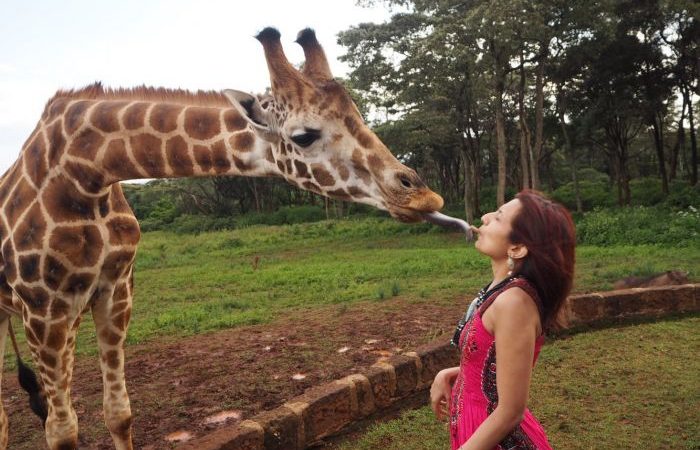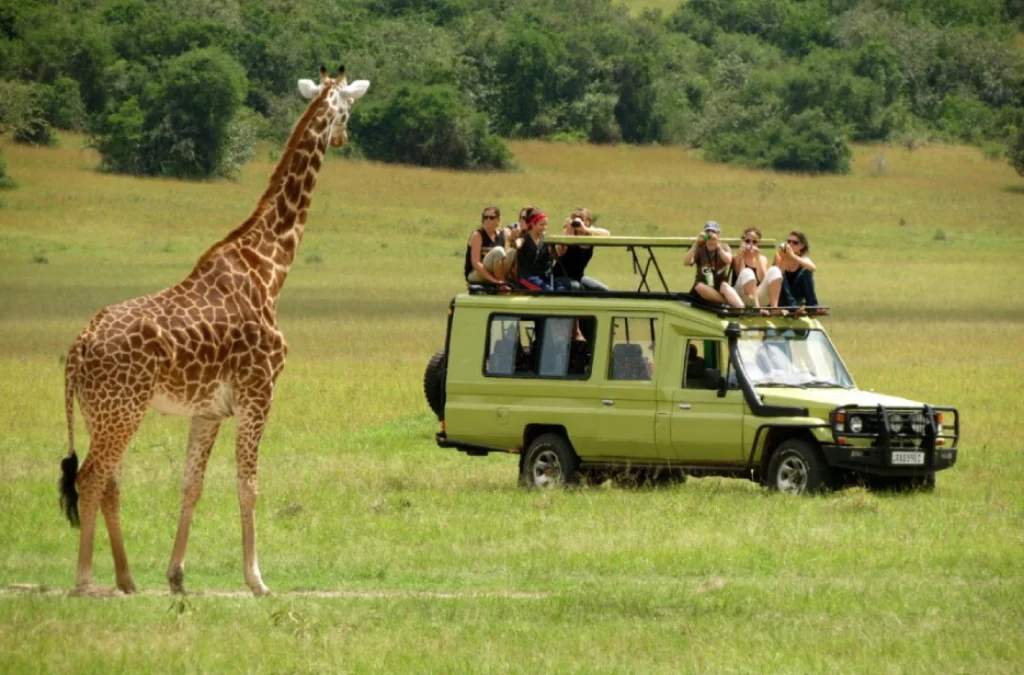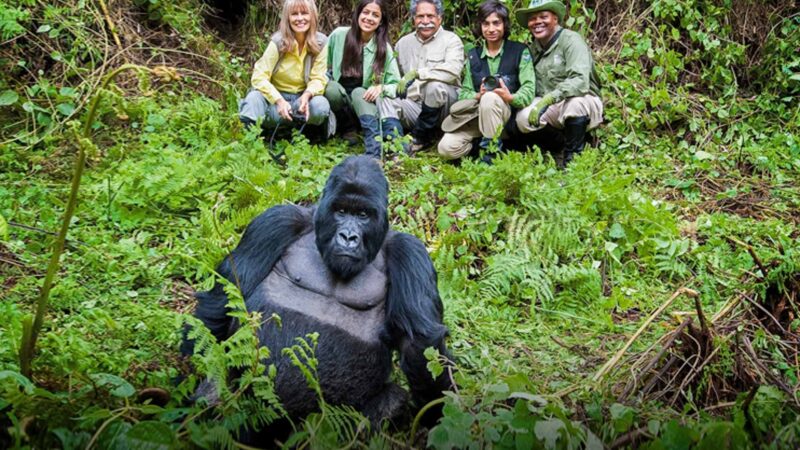
Uganda is often celebrated for its incredible wildlife, mountain gorillas, scenic landscapes, and national parks, but one of the country's greatest treasures is its people. Home to more than 50 ethnic groups, Uganda boasts a rich cultural heritage expressed through diverse languages, traditions, music, dance, crafts, and ways of life.
Beyond game drives and gorilla trekking, visiting local communities offers travelers a unique opportunity to experience the authentic heart of the Pearl of Africa.
However, cultural tourism is most rewarding when approached with respect, sensitivity, and responsibility. Responsible community visits not only enrich your travel experience but also contribute directly to local livelihoods, cultural preservation, conservation efforts, and community development.
Why Community Tourism Matters in Uganda
Community-based tourism has become an important part of Uganda's tourism industry. It allows visitors to interact with local people, learn about their traditions, and gain insights into daily life that cannot be experienced through wildlife safaris alone.
For local communities, tourism creates employment opportunities, generates income, supports education and healthcare projects, and encourages the preservation of cultural heritage. Many community tourism initiatives are owned and operated by local residents, ensuring that tourism revenues remain within the community and contribute to long-term development.
When done responsibly, cultural tourism becomes a partnership where both visitors and host communities benefit through mutual learning, understanding, and respect.
Unique Cultural Experiences Across Uganda
Uganda offers a wide range of authentic cultural encounters that allow travelers to experience the country's rich diversity.
The Batwa Cultural Experience
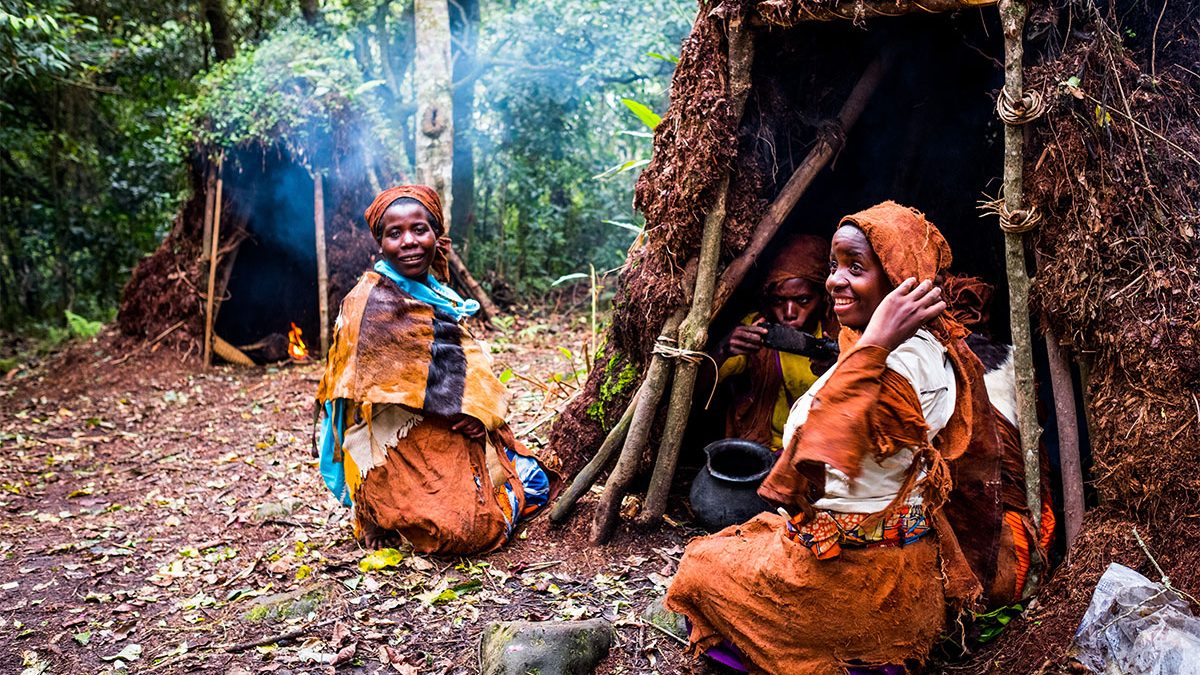
Near Bwindi Impenetrable National Park and Mgahinga Gorilla National Park, visitors can meet the Batwa people, one of Uganda's oldest indigenous communities. Traditionally forest dwellers and hunter-gatherers, the Batwa lived in the forests for generations before conservation efforts led to their relocation.
Today, cultural experiences allow visitors to learn about their traditional hunting techniques, medicinal plants, music, dance, storytelling, and spiritual practices. These experiences help preserve Batwa culture while providing important income for the community.
Karamojong Community Tours
In northeastern Uganda, travelers can explore the fascinating culture of the Karamojong, a pastoral community known for cattle keeping, traditional dress, and strong cultural identity.
Visitors often participate in village walks, cultural performances, traditional dance demonstrations, and learn about cattle-centered lifestyles that have shaped Karamojong society for generations.
Banyankole Cow Culture Experience
Near Lake Mburo National Park, visitors can immerse themselves in the traditions of the Banyankole people, whose culture revolves around the iconic Ankole long-horned cattle.
Experiences often include cattle grazing, traditional milking demonstrations, learning about dairy production, and visiting local homesteads to understand the importance of cattle in Banyankole culture.
Boomu Women's Group
Located near Murchison Falls National Park, the Boomu Women's Group showcases how tourism can empower rural women. Visitors can participate in cooking classes, traditional dance performances, storytelling sessions, craft-making workshops, and guided village walks.
The project provides income for local women while promoting cultural exchange and community development.
Responsible Ways to Engage with Local Communities
Meaningful cultural experiences require more than simply visiting a village or attending a performance. Responsible travel involves respecting local customs, traditions, and personal dignity.
Choose Ethical Tour Operators
One of the most important decisions travelers can make is selecting tour operators that work directly with local communities and ensure fair compensation for cultural experiences.
Responsible operators invest in community projects, employ local guides, support conservation initiatives, and maintain long-term partnerships that benefit residents rather than exploiting cultural traditions for tourism.
Ask Before Taking Photographs
Photography is a wonderful way to capture memories, but it should always be approached respectfully. Many people may not feel comfortable being photographed, particularly in rural areas or during religious and cultural activities.
Always ask permission before taking photographs of individuals and respect their decision if they decline. A simple greeting and friendly conversation often create more meaningful interactions than viewing people through a camera lens.
Respect Local Customs and Traditions
Uganda is generally a culturally conservative society. Visitors should dress modestly, especially in rural communities and places of worship.
Simple gestures such as greeting elders respectfully, removing shoes when entering homes where appropriate, and observing local customs demonstrate respect and appreciation for the community's way of life.
Learn a Few Local Words
Making an effort to learn basic greetings can go a long way toward building connections. Simple phrases often bring smiles and show genuine interest in local culture.
Avoid Giving Handouts
While travelers may feel tempted to give money, sweets, or gifts directly to children, this can unintentionally create dependency and encourage begging.
Instead, support established community organizations, schools, cooperatives, and development projects that provide long-term benefits to residents. Responsible giving helps communities sustainably rather than creating short-term solutions.
Support Local Businesses and Artisans
One of the best ways to contribute positively during community visits is by supporting local entrepreneurs. Purchasing handmade products directly from artisans provides income while helping preserve traditional skills and craftsmanship.
Popular Souvenirs to Buy
- Handwoven baskets
- Beadwork
- Traditional jewelry
- Wooden carvings
- Musical instruments
- Handmade fabrics
Buying locally produced goods ensures that tourism spending directly benefits community members.
Community Tourism and Conservation
Responsible tourism in Uganda extends beyond culture—it also plays a critical role in conservation. Many communities living near national parks have become active partners in wildlife protection. Tourism provides alternative sources of income that reduce pressure on natural resources and create incentives for conservation.
For example, community-based projects around Bwindi support gorilla conservation while generating revenue for local residents. Similar initiatives near Kibale Forest, Queen Elizabeth National Park, and Murchison Falls help communities benefit directly from protecting wildlife and natural habitats.
By participating in community tourism, travelers contribute to both conservation efforts and local livelihoods.
Inspiring Community-Based Tourism Projects
Ride 4 a Woman (Bwindi)
Founded to support disadvantaged women in communities surrounding Bwindi Impenetrable National Park, Ride 4 a Woman offers accommodation, cultural tours, weaving workshops, and community experiences. The initiative empowers women through skills training, employment opportunities, and social support programs.
KAFRED – Bigodi Wetland Sanctuary
Located near Kibale Forest National Park, KAFRED combines environmental conservation with community tourism. Visitors can enjoy guided wetland walks, birdwatching, village tours, storytelling sessions, and cultural experiences while supporting local conservation efforts.
Rurambira Community Conservancy
This community-led initiative allows visitors to experience the culture of the Bahima people while supporting environmental conservation and sustainable development projects. The conservancy demonstrates how tourism can empower communities while protecting natural resources.
The Role of Responsible Tourism in Sustainable Development
Tourism has tremendous potential to contribute to Uganda's economic growth and social development. When travelers make responsible choices, they help create jobs, improve household incomes, preserve cultural heritage, support conservation programs, and strengthen community resilience.
Responsible tourism also encourages pride in local traditions and creates opportunities for communities to share their stories, skills, and heritage with visitors from around the world. Every traveler has the power to make a positive impact through the decisions they make during their journey.
Final Thoughts
Visiting Uganda's local communities can be one of the most enriching and memorable aspects of your trip. Beyond the country's incredible wildlife and landscapes lies a vibrant cultural tapestry waiting to be explored.
Whether you're learning traditional skills from the Batwa, sharing stories with rural families, experiencing Karamojong culture, or supporting women-led community projects, these encounters offer meaningful insights into Uganda's diverse heritage.
By approaching community visits with respect, curiosity, and responsibility, travelers help ensure that tourism benefits both visitors and host communities. Responsible cultural tourism is not simply about seeing new places—it's about building connections, preserving traditions, supporting livelihoods, and contributing to a more sustainable future for Uganda and its people.
When you travel thoughtfully, every interaction becomes an opportunity to learn, share, and make a positive difference.