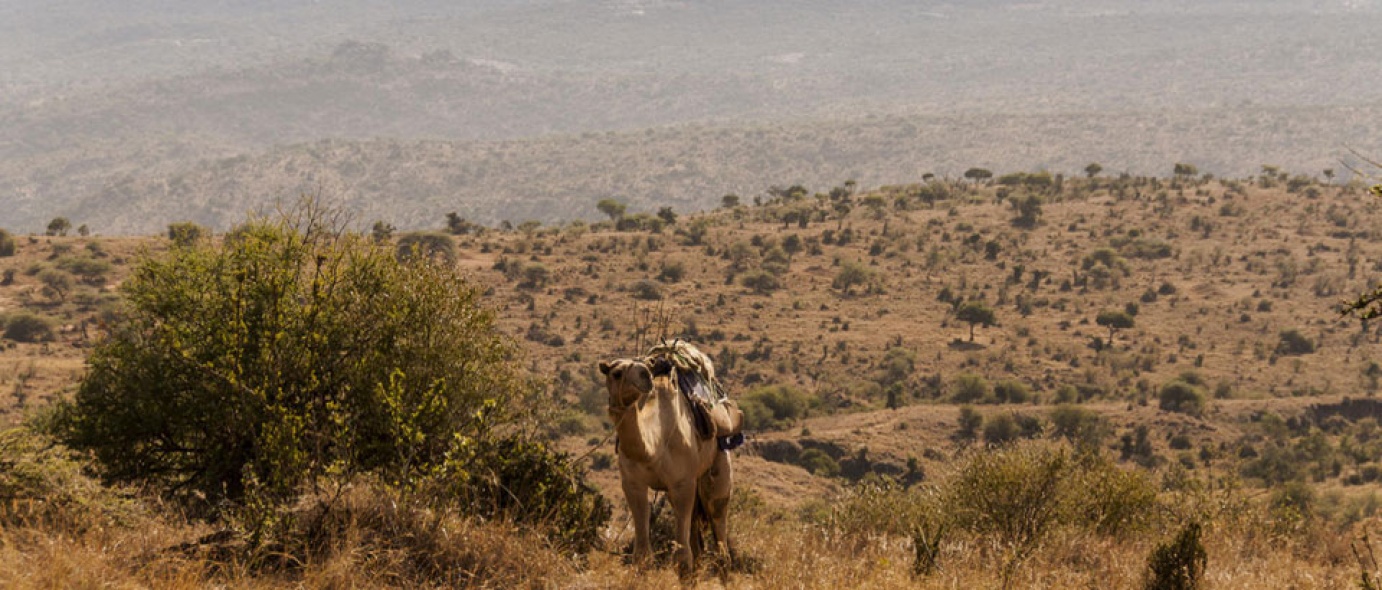
Walk Through the Heart of Kenya's Wilderness
Experience the African bush as it was meant to be experienced - on foot. This 5-day walking safari through Kenya's Laikipia Plateau offers an authentic, intimate wilderness experience far from the crowds of traditional game parks. Led by expert guides and an armed ranger, you'll traverse diverse landscapes, sleep under the stars in luxury mobile camps, and connect with nature in a way that vehicle-based safaris cannot provide. Laikipia offers some of Kenya's most spectacular walking terrain with abundant wildlife and breathtaking scenery.
Walking Safari Highlights:
- Authentic Bush Experience: Experience Africa as early explorers did - on foot
- Expert Guides: Professional walking guides with extensive tracking skills
- Armed Ranger Protection: Safety ensured by experienced armed ranger
- Luxury Mobile Camps: Comfortable tented camps moved daily by support team
- Diverse Wildlife: Chance to see elephants, buffalo, rare species like Grevy's zebra
- Bush Skills: Learn tracking, bird identification, and survival skills
- Night Sounds: Fall asleep to the authentic sounds of the African bush
- Conservation Focus: Visit community conservancies supporting wildlife protection
Detailed Walking Safari Itinerary
DAY 1: NAIROBI TO LAIKIPIA & FIRST WALK
Morning Pickup: Early collection from your Nairobi hotel or airport.
Scenic Drive North: Journey north through agricultural highlands to Laikipia Plateau.
Lunch en route: Picnic lunch at a scenic viewpoint overlooking the plateau.
Arrival at Base Camp: Reach the starting point of your walking safari.
Meet Your Team: Introduction to guides, ranger, and camp staff.
Safety Briefing: Comprehensive briefing on walking safari safety and procedures.
Afternoon Walk: Short acclimatization walk (3-4 km) around camp area.
Bush Skills Introduction: Basic tracking and wildlife observation techniques.
Sundowner: Evening drinks as the sun sets over the plateau.
Camp Orientation: Introduction to your luxury mobile camp facilities.
Welcome Dinner: First dinner under the stars around the campfire.
Night Sounds: Listen to the nocturnal bush sounds before sleeping.
DAY 2: FULL DAY WALKING - ACACIA WOODLANDS
Dawn Wake-up: Early wake-up with hot drinks delivered to your tent.
Morning Walk: 4-5 hour walk through acacia woodlands and open plains.
Wildlife Tracking: Follow fresh tracks and learn to read animal signs.
Birdwatching: Laikipia is a birdwatcher's paradise with 350+ species.
Bush Breakfast: Picnic breakfast at a scenic spot along the route.
Continue Walking: Afternoon walk through different terrain types.
Lunch at New Campsite: Arrive at day's destination where camp is already set up.
Afternoon Rest: Time to relax, read, or watch wildlife from camp.
Optional Short Walk: Late afternoon walk to a viewpoint for sunset.
Campfire Stories: Guides share bush stories and experiences.
Stargazing: Spectacular night skies with minimal light pollution.
Overnight: Second night in mobile camp at new location.
DAY 3: RIVER VALLEY EXPLORATION
Early Start: Pre-dawn wake-up for best wildlife viewing opportunities.
River Valley Walk: Descend into one of Laikipia's river valleys.
Waterhole Observation: Watch wildlife at water sources from safe vantage points.
Geology Lesson: Learn about the unique geology of the Laikipia Plateau.
Bush Lunch: Lunch by the river under shade trees.
Afternoon Exploration: Walk along riverbanks looking for animal tracks and signs.
Arrive at Campsite: Reach tonight's camp location with river views.
Camp Relaxation: Optional river bathing (where safe) or simply relax.
Evening Wildlife Drive: Optional short game drive in support vehicle to cover more distance.
Bush Dinner: Special dinner in a scenic bush location.
Nocturnal Sounds: Listen for hyenas, owls, and other night creatures.
Overnight: Third night in mobile camp by the river.
DAY 4: ESCARPMENT WALK & COMMUNITY VISIT
Morning Walk: Climb to the edge of the Laikipia escarpment for panoramic views.
Viewpoint Breakfast: Breakfast with million-dollar views of the Rift Valley.
Conservation Focus: Learn about Laikipia's community conservancy model.
Optional: Visit to a local community project or school (with prior arrangement).
Cultural Interaction: Meet local pastoralists and learn about their coexistence with wildlife.
Lunch at Community: Share a meal with community members (where appropriate).
Afternoon Walk: Return walk to tonight's campsite.
Final Campsite: Last mobile camp in a particularly scenic location.
Farewell Sundowner: Special sundowner drinks at a prime viewpoint.
Final Campfire: Last evening around the fire sharing experiences.
Certificate Presentation: Receive your walking safari completion certificate.
Overnight: Final night under the African stars.
DAY 5: FINAL WALK & RETURN TO NAIROBI
Final Morning Walk: Short walk for last wildlife sightings and photos.
Farewell Breakfast: Final bush breakfast with your guide team.
Break Camp: Watch as the mobile camp is efficiently packed up.
Transfer to Vehicle: Meet support vehicle for journey back.
Scenic Drive: Return journey to Nairobi with photo stops.
Lunch en route: Stop at a restaurant with views of Mount Kenya (weather permitting).
Nairobi Arrival: Return to Nairobi by late afternoon.
Final Options:
- Transfer to Jomo Kenyatta International Airport for departure
- Drop-off at your Nairobi hotel if extending your stay
- Debrief and share photos with your guide
Farewell: Bid farewell to your guide and walking team.
Extension Suggestions: Combine with Mount Kenya climb, Samburu safari, or Maasai Mara wildlife viewing.
The Laikipia Plateau Experience
Laikipia is Kenya's second largest wildlife area after the Maasai Mara, but with far fewer visitors. The diverse landscapes - from acacia woodlands to river valleys to open plains - offer ideal walking terrain. Community conservancies here have created a successful model for human-wildlife coexistence, making it safe and rewarding for walking safaris.
Laikipia hosts all the Big Five except rhino (which are in heavily protected sanctuaries). It's particularly famous for endangered species found nowhere else in Kenya: Grevy's zebra (90% of world's population), reticulated giraffe, African wild dog, and the rare sitatunga antelope. Over 350 bird species have been recorded here.
Unlike national parks, Laikipia is mostly comprised of private ranches and community conservancies. This model allows for more flexible activities like walking, night drives, and off-road driving. Tourism revenue directly supports local communities, creating incentives for wildlife conservation.
All walking safaris are led by professionally trained guides accompanied by an armed ranger. Guides are experts in animal behavior and know when to approach and when to maintain distance. Groups walk in single file with the armed ranger at the front. Strict safety protocols are followed at all times.
Walking Safari Wildlife Encounters
Rare striped equine
Large herds common
Beautiful network pattern
Dangerous but observable
Observed from distance
Rare but possible
Endangered predators
Impala, eland, waterbuck
350+ species
Common and amusing
Mongoose, dik-dik
Monitors, agama lizards
Walking Safari Terrain:
Classic African scenery with wildlife corridors
Lush vegetation along seasonal rivers
Grasslands with good wildlife visibility
Dramatic views over the Rift Valley
Kopjes with unique micro-ecosystems
Adapted plants and wildlife
Day 1: 3-4 km acclimatization walk. Day 2: 10-12 km through varied terrain. Day 3: 8-10 km with river exploration. Day 4: 10-15 km including escarpment climb. Day 5: 3-5 km final morning walk. Pace: Slow to moderate with frequent stops for wildlife, photography, and interpretation.
Mobile Camp Experience
Spacious walk-in tents with proper beds, linens, and ensuite bucket showers
Mess tent for dining, camp chairs, bush toilet facilities, charging station for cameras
Dedicated camp staff including chef, waiters, and camp assistants who move camp daily
Typical Daily Camp Schedule:
| Time | Activity | Details |
|---|---|---|
| 5:30-6:00 | Wake-up | Hot drinks delivered to tent |
| 6:00-6:30 | Light Breakfast | Cereals, fruit, toast before walking |
| 6:30-11:30 | Morning Walk | Main walking session with wildlife viewing |
| 11:30-12:30 | Bush Breakfast | Full cooked breakfast at scenic spot |
| 12:30-15:30 | Continue Walking | Shorter walk to afternoon campsite |
| 15:30-18:00 | Camp Relaxation | Rest, shower, optional short walks |
| 18:00-19:00 | Sundowners | Drinks while watching sunset |
| 19:00-20:30 | Dinner | Three-course meal around campfire |
| 20:30+ | Campfire | Stories, stargazing, night sounds |
Essential Walking Safari Tips
Cardio Training: Start walking/hiking several weeks before your trip. Break in Boots: Essential to have well-worn, comfortable hiking boots. Altitude Awareness: Laikipia is 1600-2600m - arrive a day early to acclimatize if possible. Pace Yourself: It's not a race - guides set a comfortable pace with frequent stops.
Footwear: Well-broken-in hiking boots plus camp shoes. Clothing: Neutral colors (khaki, green, brown), lightweight layers. Rain Gear: Lightweight waterproof jacket (rains can occur). Daypack: Small backpack for water, camera, binoculars. Headwear: Wide-brimmed hat for sun protection.
Follow Instructions: Always follow your guide's directions immediately. Walk in Single File: Maintain formation as instructed. Stay Quiet: Keep voices low to avoid disturbing wildlife. No Sudden Movements: Move slowly and deliberately around animals. Trust Your Guide: They are experts in animal behavior and safety.
Camera Access: Keep camera readily accessible in daypack. Lens Choice: 70-200mm zoom ideal for walking safari. Bean Bag: Small bean bag useful for stabilizing shots. Spare Batteries: Bring extra - charging limited in mobile camps. Dust Protection: Keep equipment in sealed bags when not in use.
Ankle support, broken in
2-3 liters capacity
Lightweight, packable
High SPF, sweat-resistant
DEET-based recommended
2 liters capacity minimum
With dust protection
Moisture-wicking, several pairs
Best Time for Walking Safari in Laikipia:
- Dry Seasons (Best): June-October & December-March - easier walking conditions
- Cooler Months: June-August - pleasant walking temperatures
- Green Season: November & April-May - lush scenery but potentially muddy
- Wildlife Viewing: Dry season (June-Oct) when animals concentrate around water
- Birding: November-April for migratory birds
Age Limit: Usually minimum 16 years for walking safaris. Fitness Level: Participants should be capable of walking 10-15km daily on uneven terrain. Health Conditions: Those with serious health issues should consult doctor before booking. Not Suitable For: Those with mobility issues, recent surgeries, or serious medical conditions.
Ready for Your Wilderness Adventure?
Experience the African bush as it was meant to be experienced - on foot, with all your senses engaged. Limited group sizes ensure an intimate wilderness experience.
Book This Walking SafariContact our walking safari specialists to discuss fitness requirements and prepare for your wilderness adventure.