Africa is a continent of extraordinary beauty, where every journey reveals landscapes unlike anywhere else on Earth. From the thunderous roar of mighty waterfalls and ancient rainforests filled with endangered wildlife to endless deserts, pristine beaches, and vibrant cultural cities, Africa offers unforgettable experiences for every kind of traveler.
Picture yourself standing before the immense curtain of Victoria Falls as mist rises high into the sky, trekking through the misty forests of Uganda to encounter endangered mountain gorillas, watching the golden sunrise illuminate Namibia's towering sand dunes, or relaxing on the white-sand beaches of Zanzibar after an unforgettable safari.
This comprehensive guide highlights twelve of Africa's most breathtaking destinations to visit in 2026. Each location has been selected not only for its spectacular scenery but also for the unforgettable experiences it offers.
Quick Picks: Africa's Best Destinations at a Glance
🏆 Best Wildlife Safari
Serengeti National Park, Tanzania
Witness the legendary Great Migration and enjoy year-round wildlife viewing in one of Africa's greatest safari destinations.
💧 Best Waterfall Experience
Victoria Falls, Zambia & Zimbabwe
Marvel at the world's largest curtain of falling water and experience one of the Seven Natural Wonders of the World.
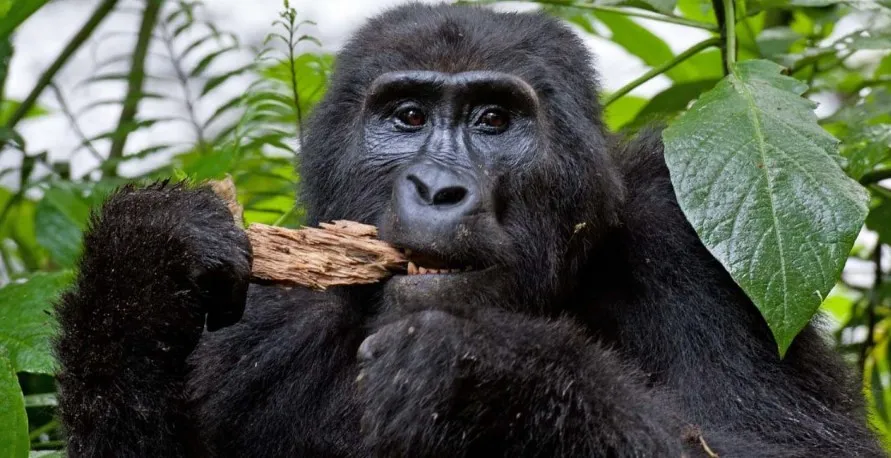
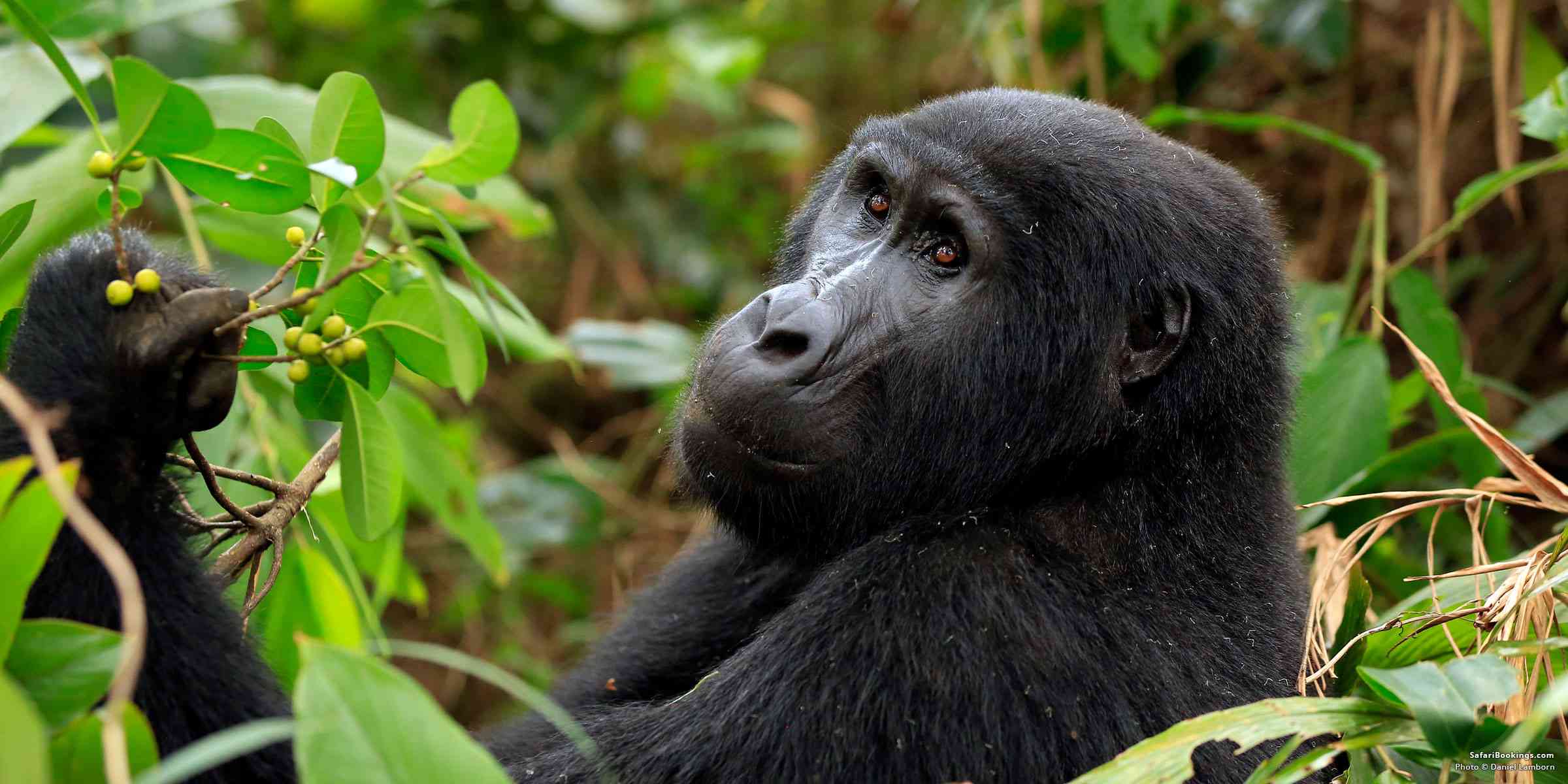
🦍 Best Gorilla Trekking Destination
Bwindi Impenetrable NP, Uganda
Trek through ancient rainforest to meet endangered mountain gorillas in their natural habitat.
🏜️ Best Desert Landscape
Sossusvlei, Namibia
Explore towering red sand dunes and surreal desert scenery unlike anywhere else on Earth.
🏖️ Best Beach Escape
Zanzibar, Tanzania
Relax on powder-white beaches, snorkel coral reefs, and explore the historic streets of Stone Town.
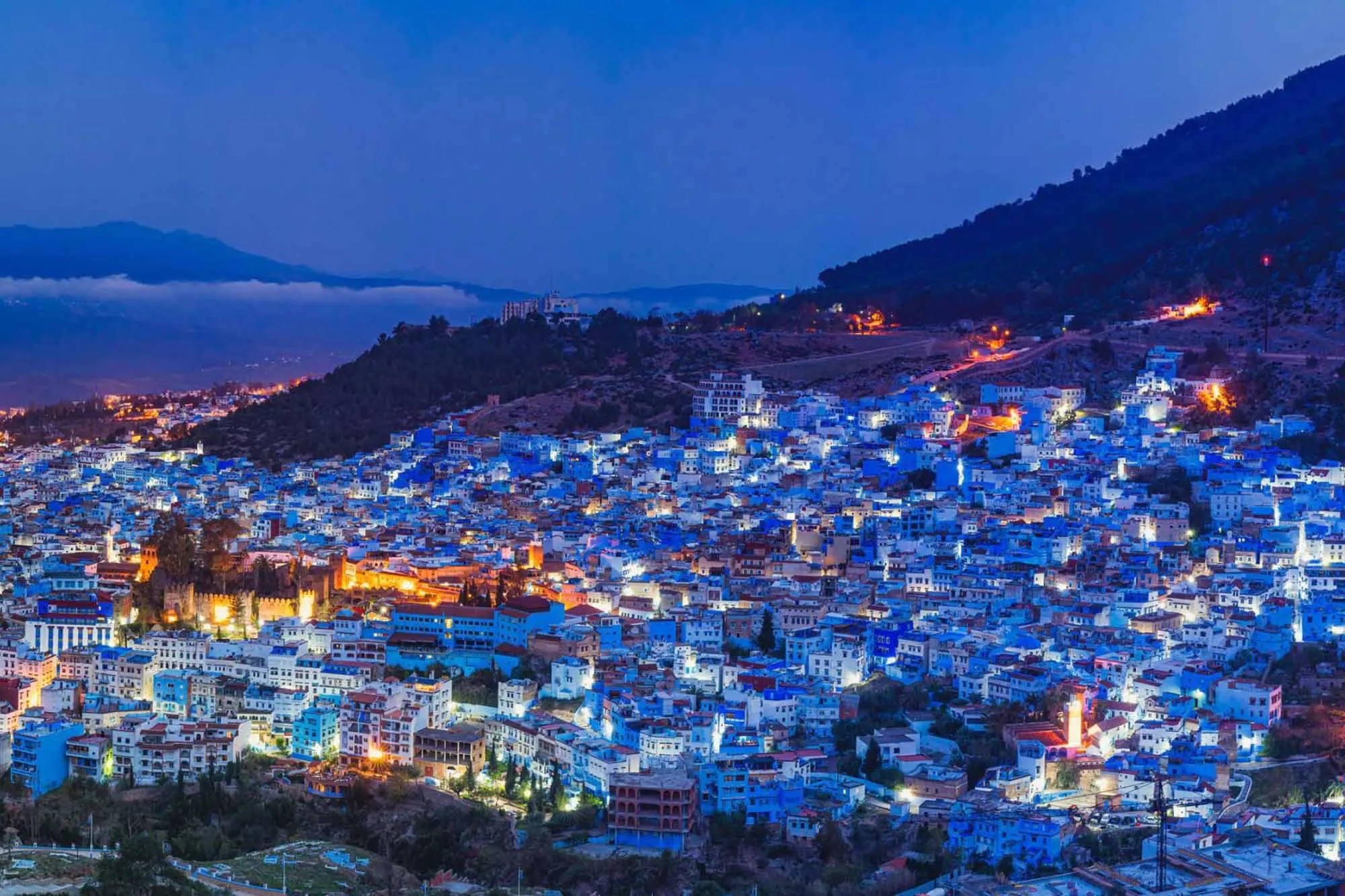
🎨 Best Cultural Destination
Chefchaouen, Morocco
Wander through Morocco's enchanting blue-painted mountain town filled with history, art, and traditional charm.
1. Victoria Falls, Zambia & Zimbabwe
Few places on Earth inspire as much awe as Victoria Falls. Stretching across the mighty Zambezi River, this extraordinary waterfall forms the largest continuous sheet of falling water in the world. The local name, Mosi-oa-Tunya, meaning "The Smoke That Thunders," perfectly captures the immense power and beauty of this natural wonder.
Long before the waterfall comes into view, visitors hear the deep roar of millions of liters of water crashing into the gorge below. As you approach, towering columns of mist rise hundreds of feet into the air, creating spectacular rainbows that dance across the landscape throughout the day.
Best Time: March to May (peak volume) | June to October (clearer views)
How to Visit: Fly into Livingstone Airport (Zambia) or Victoria Falls International Airport (Zimbabwe).
2. The Sahara Desert, Morocco
The Sahara Desert represents one of the world's most iconic landscapes, stretching across North Africa in endless waves of golden sand. In Morocco, visitors experience one of the Sahara's most accessible and beautiful regions, where towering dunes, ancient caravan routes, traditional Berber culture, and breathtaking sunsets combine to create a truly magical destination.
Watching sunrise over the Erg Chebbi dunes is an unforgettable experience. As the first rays of sunlight touch the landscape, the sand transforms through shades of deep red, orange, and brilliant gold.
Best Time: October to April (cooler temperatures)
How to Visit: Fly into Marrakech or Ouarzazate, then drive to Merzouga or Zagora.
3. Cape Town, South Africa
Cape Town is widely regarded as one of the world's most beautiful cities, where dramatic mountains meet sparkling oceans in spectacular fashion. Dominated by the iconic Table Mountain, this vibrant destination combines breathtaking scenery, rich cultural heritage, award-winning vineyards, pristine beaches, and outstanding wildlife experiences.
Best Time: September to April (warm weather, clear skies)
How to Visit: Fly into Cape Town International Airport. Plan to spend at least 3-5 days exploring.
4. The Okavango Delta, Botswana
Deep in the heart of Botswana's Kalahari Desert lies one of Africa's most extraordinary natural wonders—the Okavango Delta. Unlike most rivers that flow into seas or lakes, the Okavango River travels thousands of kilometers before spreading across the dry Kalahari sands, creating a vast inland oasis of shimmering waterways, palm-fringed islands, seasonal floodplains, and lush wilderness.
Best Time: May to October (dry season, best wildlife viewing)
How to Visit: Fly into Maun, then by small aircraft to your safari camp.
5. Ngorongoro Crater, Tanzania
The Ngorongoro Crater is one of Africa's most extraordinary natural wonders and a UNESCO World Heritage Site that offers an unforgettable safari experience. Formed over two million years ago when a massive volcano collapsed, the crater has become the world's largest intact volcanic caldera, supporting one of the highest concentrations of wildlife in Africa.
Best Time: June to October (dry season, best wildlife viewing)
How to Visit: Fly into Kilimanjaro International Airport or Arusha Airport.
6. Bwindi Impenetrable National Park, Uganda
Nestled within the mist-covered hills of southwestern Uganda, Bwindi Impenetrable National Park is one of Africa's oldest and most biologically diverse rainforests. Recognized as a UNESCO World Heritage Site, the park is renowned worldwide for protecting nearly half of the world's remaining mountain gorillas.
Best Time: June to August & December to February (dry seasons)
How to Visit: Fly into Entebbe International Airport, then domestic flight to Kihihi or Kisoro.
7. Zanzibar, Tanzania
Located off the coast of mainland Tanzania, the Zanzibar Archipelago is a tropical paradise renowned for its white-sand beaches, turquoise waters, vibrant Swahili culture, and fascinating history. The island's historic heart, Stone Town, is a UNESCO World Heritage Site where narrow winding streets lead past beautifully carved wooden doors, bustling markets, ancient mosques, and colonial buildings.
Best Time: June to October (sunny, low humidity) | December to February (warm, clear waters)
How to Visit: Fly into Abeid Amani Karume International Airport (ZNZ).
8. Sossusvlei, Namibia
Nestled within the vast Namib-Naukluft National Park, Sossusvlei is one of Namibia's most iconic landscapes and home to some of the tallest sand dunes on Earth. As the first rays of sunrise illuminate the dunes, their colors shift from deep crimson to brilliant orange and golden hues, creating one of Africa's most spectacular natural displays.
Best Time: May to October (cooler temperatures)
How to Visit: Fly into Windhoek, then drive or charter flight to Sesriem.
9. Chefchaouen, Morocco
Hidden among the scenic Rif Mountains of northern Morocco, Chefchaouen is one of Africa's most charming and photogenic destinations. Known worldwide as the "Blue Pearl of Morocco," the town is famous for its winding streets, stairways, and buildings painted in beautiful shades of blue.
Best Time: March to May & September to October (pleasant temperatures)
How to Visit: Fly into Tangier Ibn Battouta Airport or Fez-Saïss Airport.
10. Tsingy de Bemaraha National Park, Madagascar
Located in western Madagascar, Tsingy de Bemaraha National Park is one of Africa's most extraordinary natural wonders and a UNESCO World Heritage Site renowned for its spectacular limestone formations. Over millions of years, ancient coral reefs were gradually transformed into towering karst pinnacles known locally as tsingy, meaning "where one cannot walk barefoot."
Best Time: May to October (dry season)
How to Visit: Fly into Antananarivo International Airport, then drive to Morondava and Bekopaka.
11. Serengeti National Park, Tanzania
Stretching across northern Tanzania, Serengeti National Park is one of the world's greatest wildlife destinations and a UNESCO World Heritage Site celebrated for its endless savannahs, extraordinary biodiversity, and the world-famous Great Migration. Covering nearly 30,000 square kilometers, the Serengeti offers breathtaking landscapes where golden grasslands, scattered acacia trees, rocky kopjes, and winding rivers create one of Africa's most iconic safari settings.
Best Time: June to October (dry season, river crossings) | January to February (calving season)
How to Visit: Fly into Kilimanjaro International Airport or Arusha Airport.
12. Le Morne Brabant, Mauritius
Rising dramatically above the turquoise waters of southwestern Mauritius, Le Morne Brabant is one of the island nation's most iconic landmarks and an important UNESCO World Heritage Site. This majestic basalt mountain stands approximately 556 meters above sea level and is celebrated not only for its breathtaking scenery but also for its powerful historical significance as a symbol of freedom and resilience.
Best Time: May to October (cooler temperatures, ideal hiking)
How to Visit: Fly into Sir Seewoosagur Ramgoolam International Airport (MRU).
Conclusion
Africa is a continent of extraordinary beauty, where breathtaking landscapes, diverse wildlife, vibrant cultures, and rich history come together to create unforgettable travel experiences. From the mist-covered mountains of Uganda and Rwanda to the endless plains of the Serengeti, the towering dunes of Namibia, the turquoise shores of Zanzibar, and the colorful streets of Morocco, every destination offers its own unique story waiting to be discovered.
Whether you are seeking thrilling wildlife encounters, relaxing beach escapes, challenging hiking adventures, or immersive cultural experiences, Africa offers something for every traveler. Each journey provides an opportunity to connect with nature, meet welcoming communities, and witness some of the world's most remarkable natural wonders while supporting sustainable tourism and conservation efforts.
As you plan your next adventure, consider exploring these incredible destinations that showcase the very best of the African continent. With thoughtful planning and responsible travel, your journey will not only create lifelong memories but also contribute to preserving Africa's extraordinary landscapes, wildlife, and cultural heritage for generations to come.