Uganda and Rwanda are two of Africa's best destinations for unforgettable primate encounters, offering travelers the rare opportunity to trek through ancient forests in search of mountain gorillas and chimpanzees. While both species are great apes and share many similarities with humans, they are remarkably different in appearance, behaviour, habitat, and trekking experience.
For travelers planning a primate safari in East Africa, understanding the differences between gorilla trekking and chimpanzee trekking helps you choose the right experience or plan an itinerary that combines both adventures.
Overview: Gorillas and Chimpanzees as Great Apes
Gorillas and chimpanzees belong to the family of great apes, which also includes humans, orangutans, and bonobos. Unlike monkeys, great apes do not have tails and are known for their high intelligence, complex social structures, and human-like behaviors.
However, millions of years of evolution have shaped gorillas and chimpanzees into very different animals. Gorillas are known for their strength, calm nature, and peaceful lifestyle, while chimpanzees are energetic, highly social, and constantly active.
Quick Comparison: Gorillas vs Chimpanzees
| Feature | Mountain Gorillas | Chimpanzees |
|---|---|---|
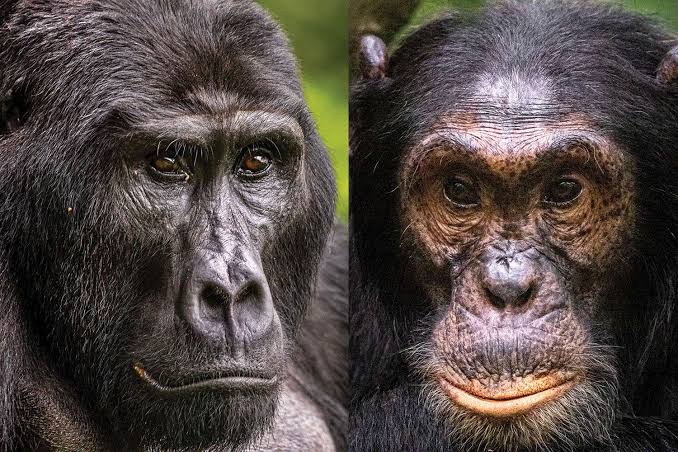
| Size | Large, up to 150kg+ | Smaller, 40-70kg |
| Body Type | Muscular, broad chest | Slim, agile build |
| Social Structure | Stable family groups (5-20+ members) | Fission-fusion communities (30-100+ members) |
| Leader | Silverback male | Alpha male with shifting alliances |
| Diet | Primarily herbivorous | Omnivorous (fruit, insects, small mammals) |
| Behavior | Calm, gentle, slow-moving | Energetic, curious, active |
| Habitat | High-altitude montane forests | Tropical and lowland rainforests |
| Trekking Experience | Peaceful, intimate, emotional | Energetic, fast-paced, exciting |
1. Physical Appearance: Size and Body Structure
One of the easiest ways to distinguish gorillas from chimpanzees is their size and physical appearance.
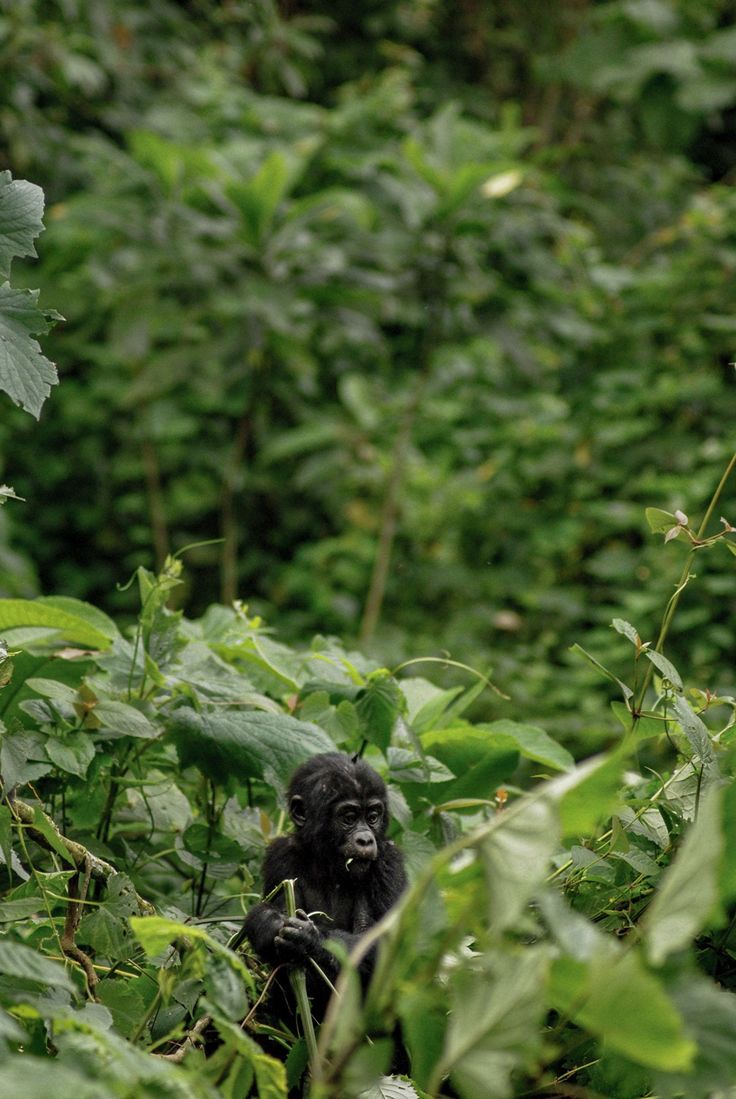
Mountain Gorillas
- Large muscular bodies
- Broad chests and shoulders
- Long arms with powerful hands
- Dark, thick fur adapted to high-altitude forests
- Silverback males weigh over 150kg
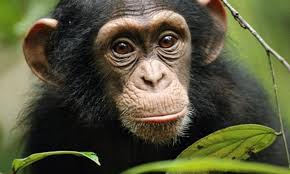
Chimpanzees
- Smaller, lightweight bodies
- Slimmer and more agile build
- Long arms for climbing and swinging
- Dark hair covering most of the body
- Expressive faces with mobile lips and ears
2. Social Structure and Family Life
Gorilla Groups
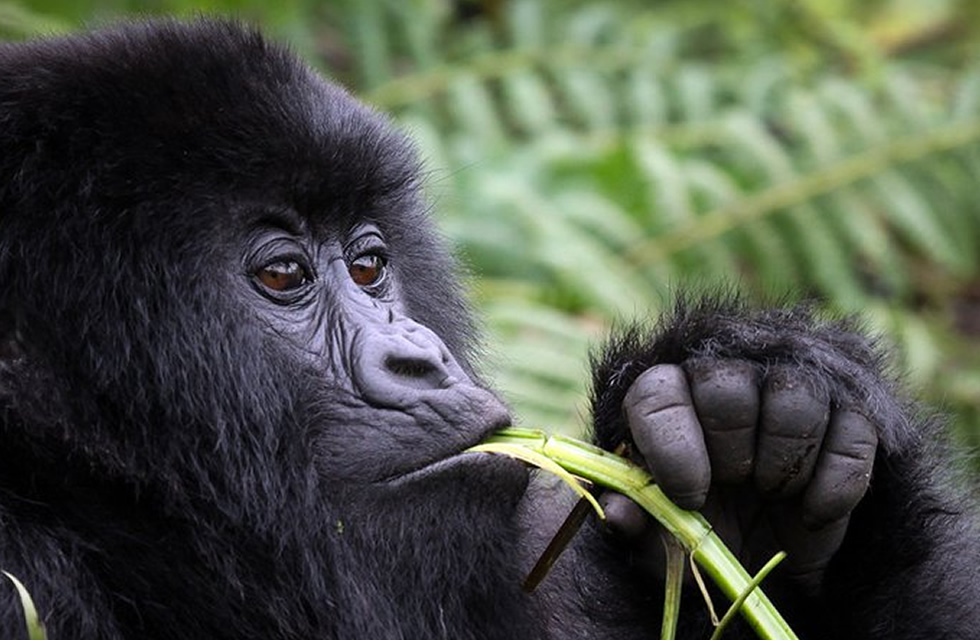
Mountain gorillas live in stable family groups, often referred to as troops, which are typically led by a dominant adult male known as the silverback. The silverback is the leader, protector, and decision-maker of the family, responsible for guiding the group to feeding areas, choosing nesting sites, resolving conflicts, and defending the family from potential threats.
A Typical Gorilla Family
- One dominant silverback
- Several adult females
- Infant and juvenile gorillas
- Adolescent gorillas
- Sometimes one or more subordinate blackback males
Chimpanzee Communities
Chimpanzees live in large and highly complex communities that can include 30 to more than 100 individuals. Unlike mountain gorillas, they do not stay together in one permanent group. Instead, they follow a fission-fusion social system, where members split into smaller temporary groups, known as parties, and reunite throughout the day.
During a chimpanzee trek, visitors may witness fascinating behaviors such as:
- Complex communication through calls and gestures
- Social grooming and strong group interactions
- Cooperative hunting and food sharing
- Tool use and problem-solving
- Playful and energetic movements through the forest
3. Habitat: Where to Find Gorillas and Chimpanzees
Gorilla Habitats
Uganda
- Bwindi Impenetrable National Park
- Mgahinga Gorilla National Park
Rwanda
- Volcanoes National Park
High-altitude montane forests, dense rainforest, bamboo forests, mist-covered hills.
Chimpanzee Habitats
Uganda
- Kibale Forest National Park
- Budongo Forest (Murchison Falls NP)
- Kyambura Gorge (Queen Elizabeth NP)
Rwanda
- Nyungwe Forest National Park
Tropical lowland forests, dense rainforests, tall trees for canopy movement.
4. Trekking Experience: Gorilla Trekking vs Chimpanzee Trekking
Gorilla Trekking
- Peaceful and intimate encounter
- Spend up to 1 hour with gorillas
- Gorillas are calm and relaxed
- Observe family interactions
- Deeply emotional experience
- Often the highlight of the safari
Chimpanzee Trekking
- Energetic and fast-paced
- Follow active chimpanzees through forest
- Watch swinging, climbing, and socializing
- Hear loud calls and vocalizations
- Exciting and dynamic experience
- Witness tool use and intelligence
5. Behavior: Calm Giants vs Active Forest Dwellers
Gorillas: Gentle Forest Giants
Mountain gorillas are peaceful, primarily herbivorous primates that lead a calm and structured lifestyle. They spend much of their day feeding on leaves, stems, bamboo shoots, fruits, and other vegetation before resting and socializing with members of their family group.
During a gorilla trek, visitors may observe gorillas:
- Feeding on leaves, fruits, bamboo shoots, and other vegetation
- Resting quietly in the shade of the forest
- Moving slowly through dense vegetation
- Mothers caring for and nursing their infants
- Young gorillas playing under the watchful eye of the silverback
Chimpanzees: Intelligent and Energetic
Chimpanzees are highly intelligent, curious, and energetic primates that are constantly active throughout the day. They spend much of their time moving through the forest canopy in search of food, communicating with one another, grooming, and exploring their surroundings.
During a chimpanzee trek, visitors may see chimpanzees:
- Communicating through loud calls, gestures, and facial expressions
- Searching for fruits, insects, and other food sources
- Socializing and grooming other members of the community
- Climbing, swinging, and running through the trees
- Exploring and interacting with their forest environment
6. Diet Differences
Gorillas
- Primarily herbivorous
- Leaves, shoots, bamboo, roots, stems
- Wild celery and seasonal fruits
- Several kilograms of vegetation daily
Chimpanzees
- Omnivorous and adaptable
- Fruits, seeds, leaves, flowers
- Insects (termites, ants)
- Occasionally small mammals
- Use tools to extract food
7. Conservation Status and Importance of Trekking
Both mountain gorillas and chimpanzees face ongoing conservation challenges, including habitat destruction, disease transmission, illegal hunting, and increasing human-wildlife conflict. Fortunately, responsible tourism has become one of the most effective ways of supporting the long-term survival of these remarkable primates.
Conservation Through Tourism
- Revenue from trekking permits funds conservation efforts
- Supports ranger patrols and habitat protection
- Funds gorilla and chimpanzee monitoring
- Provides veterinary care
- Supports community development programs
- Creates employment for local communities
8. Can You Combine Gorilla and Chimpanzee Trekking?
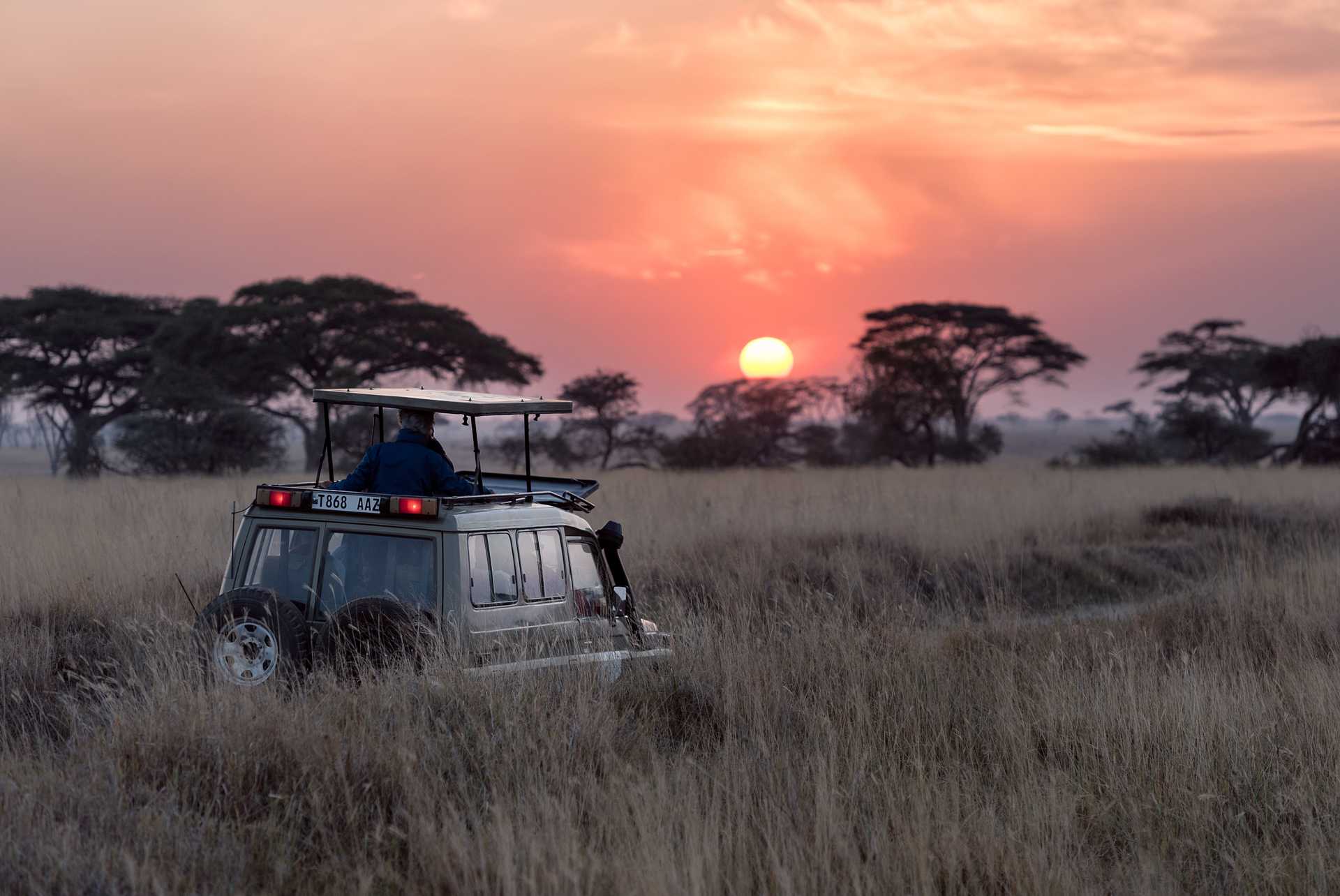
Yes. Many travelers choose to combine gorilla trekking and chimpanzee trekking into one unforgettable primate safari, allowing them to experience the unique behaviors and habitats of both species during a single trip.
A typical combined primate safari may include:
- Kibale Forest National Park for chimpanzee trekking
- Bwindi Impenetrable National Park for mountain gorilla trekking
- Volcanoes National Park in Rwanda for another gorilla trekking experience
- Nyungwe Forest National Park for chimpanzee trekking and rainforest exploration
Conclusion: Which Experience Is Better?
There is no definitive answer because gorilla trekking and chimpanzee trekking offer two completely different but equally rewarding wildlife experiences. Gorilla trekking provides a peaceful and emotional encounter with gentle giants living in mist-covered mountain forests, while chimpanzee trekking offers a lively and energetic adventure following intelligent primates through tropical rainforests.
If you dream of a quiet and intimate wildlife encounter, gorilla trekking is the perfect choice. If you enjoy observing active animals, fascinating social behavior, and constant movement through the forest, chimpanzee trekking is equally exciting.
For travelers seeking the ultimate primate safari, combining both experiences in Uganda and Rwanda offers the best of both worlds. Together, mountain gorillas and chimpanzees provide an extraordinary insight into the lives of our closest living relatives while directly supporting conservation efforts that help protect these endangered species and their forest habitats for generations to come.