Planning an African safari is exciting, but knowing what to pack can make a huge difference to your comfort and overall experience. Whether you're heading out on a wildlife safari in Kenya, Tanzania, Uganda, Rwanda, or any other African destination, packing the right items will help you stay comfortable, prepared, and ready for every adventure.
From early morning game drives and gorilla trekking to boat cruises and cultural visits, safari activities often involve varying weather conditions and different terrains. This essential safari packing list covers everything you need for a smooth and enjoyable trip.
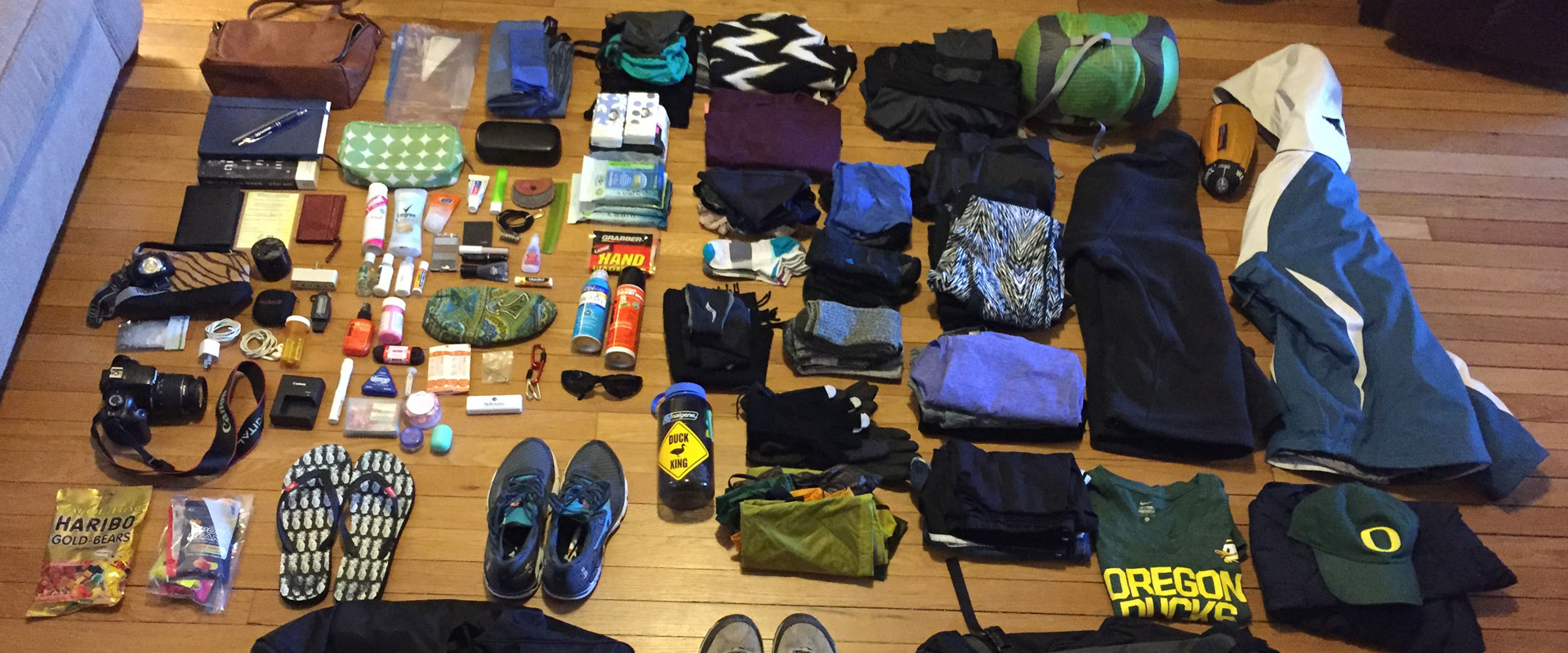
1. Lightweight and Comfortable Clothing
Choosing the right clothing can greatly improve your safari experience. Pack lightweight, breathable clothes in neutral colors such as khaki, beige, olive, brown, or grey, as these blend into the environment, attract fewer insects, and are practical for dusty safari conditions.
Essential Clothing Items
- Lightweight shirts and t-shirts for warm days
- Long-sleeved shirts for sun and insect protection
- Comfortable trousers for game drives and walks
- Safari shorts for hot weather
- Casual evening wear for relaxing at your lodge
- Light sweater, fleece, or jacket for cool mornings
Tip: Avoid bright colors and camouflage clothing, as camouflage may be restricted in some African countries.
2. Waterproof Jacket or Rain Gear
Weather conditions can change quickly on safari, particularly in tropical regions, mountainous areas, and rainforest destinations such as Bwindi Impenetrable National Park, Mgahinga Gorilla National Park, and Nyungwe Forest National Park. Even during the dry season, unexpected rain showers can occur.
A lightweight waterproof jacket or raincoat will help keep you dry and comfortable during outdoor activities, including gorilla trekking, chimpanzee tracking, hiking, and game drives. Choose a compact, breathable rain jacket that can easily fit into your daypack without adding too much weight.
3. Comfortable Walking Shoes
A good pair of comfortable walking shoes is one of the most important items you can bring on safari. Many activities involve spending time on your feet, whether you're exploring a national park, visiting local communities, or walking around your lodge.
- Sturdy hiking boots — For gorilla trekking, chimpanzee tracking, and guided nature walks (with good ankle support and grip)
- Comfortable walking shoes — For general sightseeing and lodge activities
- Sandals or casual shoes — For relaxing after a day of adventure
Be sure to wear your footwear before your trip to ensure it is well broken in and comfortable.
4. Hat and Sunglasses
The African sun can be strong throughout the year, especially during game drives and outdoor excursions. A wide-brimmed safari hat or cap provides valuable protection for your face, neck, and head from direct sunlight. Quality sunglasses with UV protection help shield your eyes from glare and dust while improving comfort during long hours outdoors.
5. Insect Repellent
Insects, including mosquitoes, are common in many safari destinations, especially around rivers, lakes, forests, and wetlands. Carrying a reliable insect repellent is essential for staying comfortable and reducing the risk of insect bites.
Apply repellent regularly, particularly during the early morning, evening, and nighttime hours when mosquitoes are most active. Some travelers also choose insect-repellent clothing for added protection during forest hikes, gorilla trekking, and camping experiences.
6. Sunscreen and Lip Balm
Even when temperatures feel mild, prolonged exposure to the African sun can quickly lead to sunburn and dry skin. A high-SPF sunscreen is essential for protecting exposed areas of the body during game drives, hiking excursions, boat trips, and other outdoor activities.
Lip balm with sun protection helps prevent dry or cracked lips, especially in sunny, windy, or high-altitude environments. Packing a moisturizer can also be helpful, particularly in dry regions where the combination of sun, wind, and dust may affect your skin.
7. Camera and Extra Memory Cards
A safari presents endless opportunities for photography, from dramatic wildlife encounters and breathtaking landscapes to colorful cultural experiences and unforgettable sunsets. Whether you use a professional camera or a smartphone with a high-quality camera, having the right photography equipment will help you capture these special moments.
- Extra memory cards
- Spare batteries
- Charging cables
- Power bank
Wildlife sightings can happen unexpectedly and disappear within seconds, so keeping your camera fully charged and easily accessible is essential.
8. Binoculars
A good pair of binoculars can significantly enhance your safari experience by allowing you to observe wildlife from a safe distance without disturbing the animals. They are particularly useful for spotting predators resting in the grass, birds perched in distant trees, and animals grazing across open plains.
Lightweight binoculars are ideal for game drives, birdwatching excursions, boat safaris, and guided nature walks.
9. Daypack
A small, comfortable daypack is extremely useful for carrying your daily essentials during safari activities. It allows you to keep important items close at hand while leaving larger luggage at your lodge or camp.
Your daypack can be used to carry a reusable water bottle, camera equipment, snacks, sunscreen, insect repellent, a rain jacket, travel documents, and other personal items.
10. Reusable Water Bottle
Staying hydrated is essential during a safari, especially during long game drives, walking safaris, and outdoor activities in warm weather. Carrying a reusable water bottle ensures you always have access to drinking water while reducing the use of single-use plastic bottles.
Many safari lodges, camps, and tour operators provide filtered water refill stations, making it easy to refill your bottle throughout your trip.
11. Personal Medications and First Aid Essentials
Bringing personal medications and a basic first aid kit can help you stay comfortable and prepared throughout your safari.
First Aid Essentials
- Prescription medications (enough for the entire trip)
- Pain relievers
- Motion sickness tablets
- Antihistamines
- Band-aids and blister plasters
- Hand sanitizer and antiseptic wipes
Note: Consult your doctor regarding recommended vaccinations and malaria prevention for your destination.
12. Travel Documents
Keeping your travel documents organized and easily accessible is an important part of safari preparation.
- Passport
- Visa documents (if required)
- Travel insurance details
- Flight tickets
- Safari booking confirmations
- Emergency contact information
A travel document organizer can help keep everything together and make airport check-ins and border crossings much smoother.
13. Gorilla Trekking Essentials
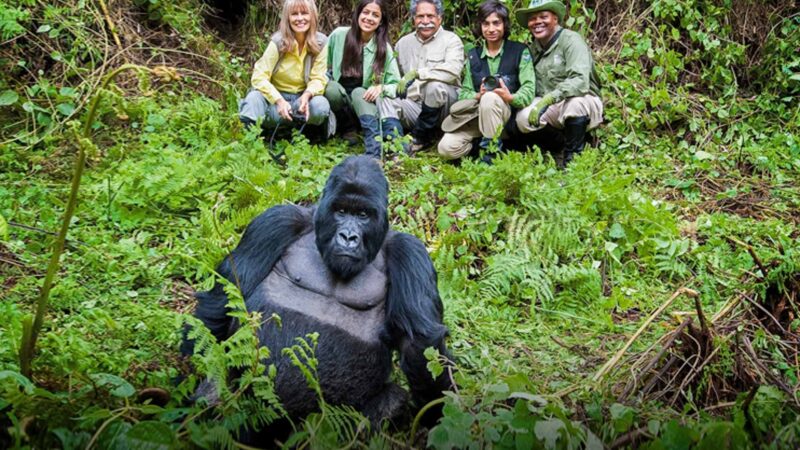
If your safari includes gorilla trekking in destinations such as Uganda, Rwanda, or the Democratic Republic of Congo, a few additional items are highly recommended.
Footwear
- Waterproof hiking boots with good grip
- Optional gaiters for mud protection
Clothing
- Long trousers
- Long-sleeved shirts
- Lightweight rain jacket
Accessories
- Gardening or trekking gloves
- Small backpack
- Reusable water bottle
14. Optional Safari Extras
Depending on your interests and itinerary, several optional items can make your safari even more enjoyable.
- Travel guidebook
- Notebook or journal for recording wildlife sightings
- Headlamp or flashlight
- Travel adapter
- Lightweight scarf or buff for dust protection
- Swimwear
- Bird identification guide
Packing Tips for an African Safari
Top Packing Tips
- Pack light and focus on versatile clothing that can be layered
- Use soft-sided luggage for domestic safari flights
- Leave extra space for souvenirs and local crafts
- Check airline baggage restrictions before departure
- Take advantage of laundry services at safari lodges
Final Thoughts
Packing properly is one of the best ways to ensure a comfortable, enjoyable, and stress-free safari. Having the right clothing, footwear, travel gear, and personal essentials allows you to focus fully on the adventure rather than worrying about forgotten items.
Whether you are tracking mountain gorillas through a rainforest, watching lions on the savannah, cruising along a wildlife-rich river, or exploring local communities, being well-prepared will enhance every aspect of your journey.
With this essential safari packing list, you will be ready to make the most of your African adventure and enjoy the incredible wildlife, landscapes, and cultural experiences that make a safari truly unforgettable.