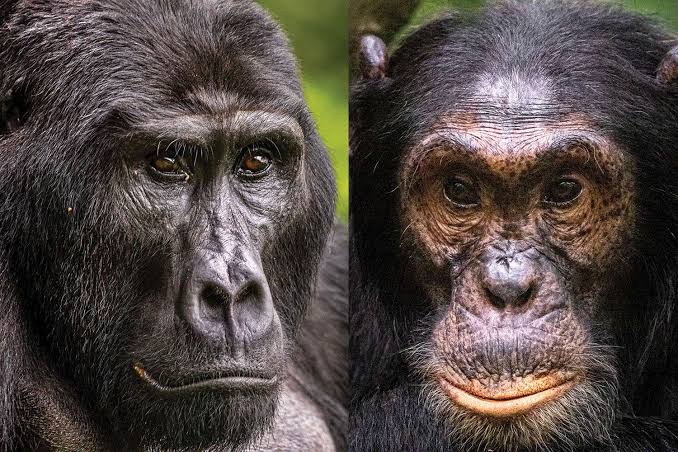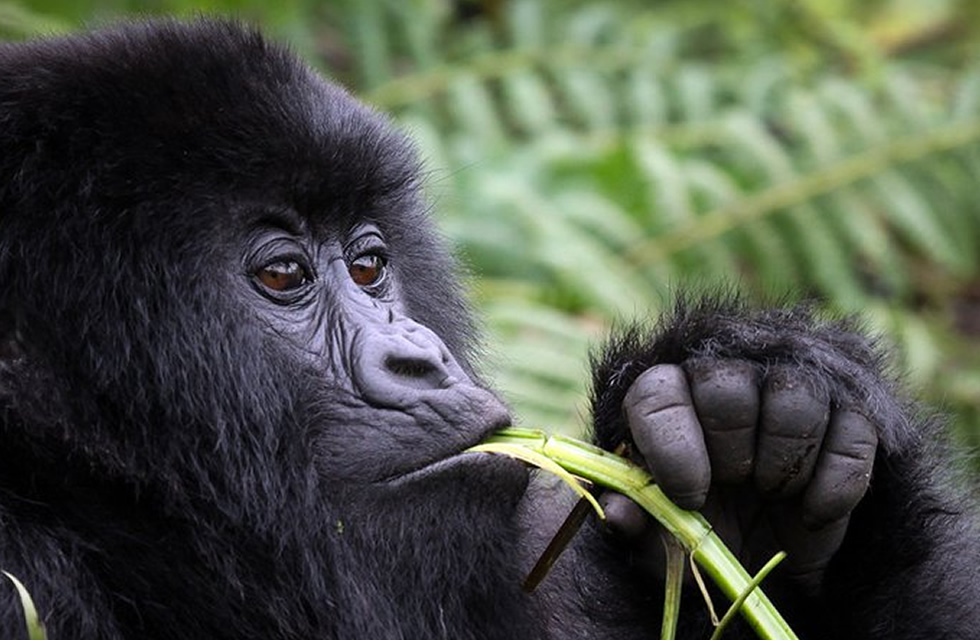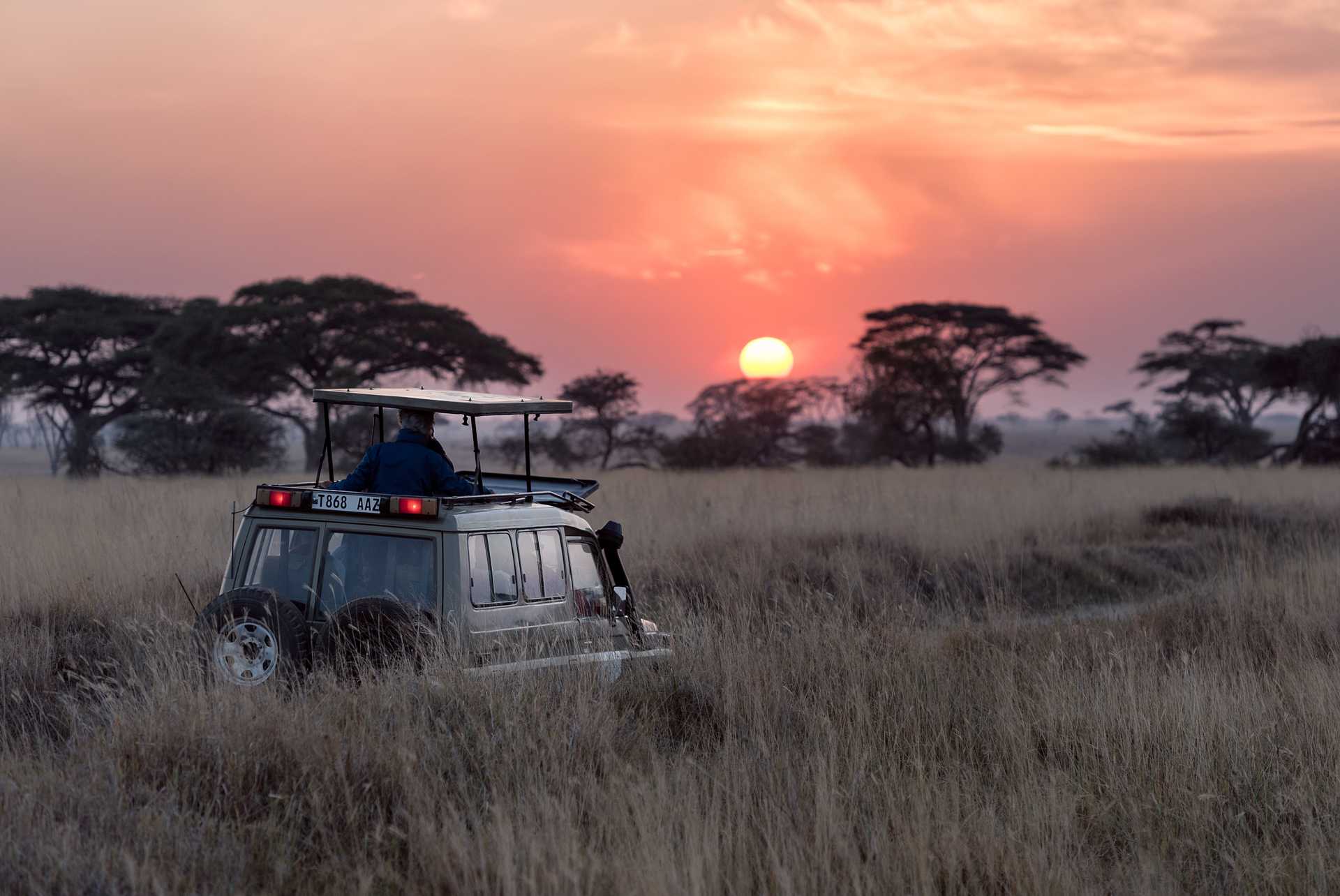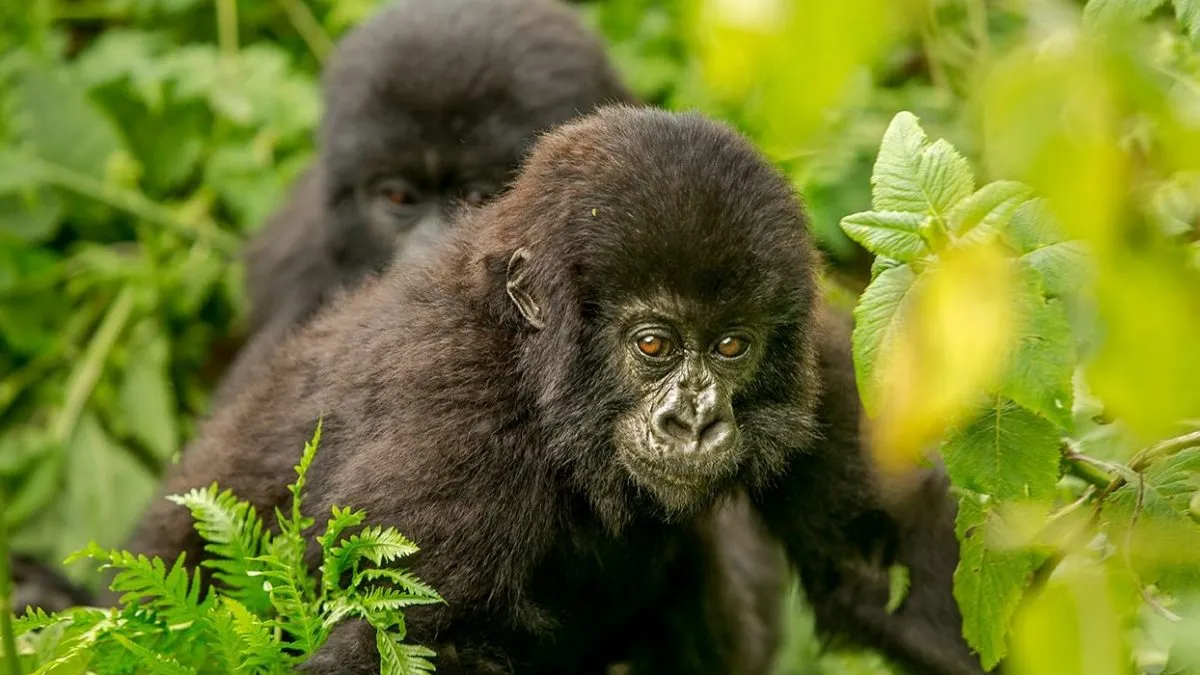
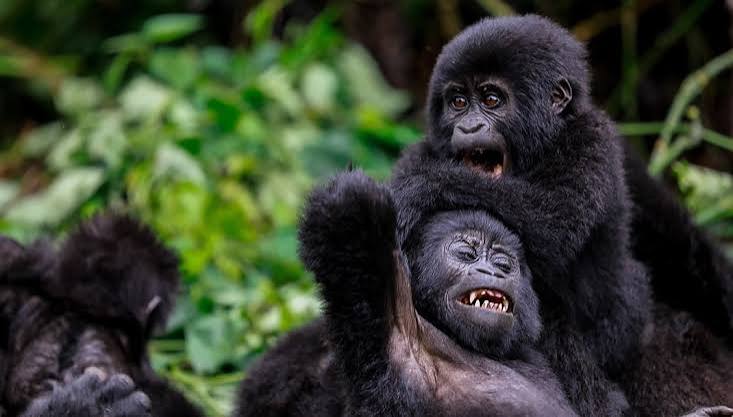
Mountain gorilla trekking is one of Africa's most remarkable wildlife experiences, offering travelers a rare opportunity to enter the misty forests of Uganda, Rwanda, and the Democratic Republic of Congo to observe these incredible primates in their natural habitat. Beyond being an unforgettable adventure, gorilla trekking plays a crucial role in mountain gorilla conservation, helping to protect endangered gorillas, preserve fragile ecosystems, and support communities living near gorilla habitats.
For decades, mountain gorillas faced serious threats, including habitat loss, illegal hunting, disease transmission, and human-wildlife conflict. Through dedicated conservation programs and the financial support generated by responsible tourism, their population has shown encouraging recovery. Today, gorilla trekking is considered one of the most successful examples of how carefully managed tourism can contribute to wildlife protection.
1. Gorilla Trekking Generates Funding for Conservation Programs
One of the most important ways gorilla trekking supports conservation is through revenue generated from gorilla trekking permits. Visitors who participate in gorilla trekking are required to purchase permits, and a significant portion of this income is directed toward conservation activities managed by national wildlife authorities and conservation organizations.
What Permit Revenue Supports
- Protecting gorilla habitats through forest monitoring and management
- Employing wildlife rangers and conservation teams
- Conducting gorilla population surveys and research
- Supporting veterinary care for injured or sick gorillas
- Improving conservation infrastructure around protected areas
For example, in Uganda, gorilla trekking permits contribute to the protection of Bwindi Impenetrable National Park and Mgahinga Gorilla National Park, while in Rwanda, tourism revenue supports conservation efforts in Volcanoes National Park.
2. Tourism Supports Anti-Poaching Efforts
Although mountain gorillas are not usually targeted by poachers for their meat, they can still be affected by illegal activities taking place within and around protected forests. Snares intended for other wildlife can accidentally injure gorillas, while illegal forest activities can destroy their natural habitat.
Revenue from gorilla tourism helps fund anti-poaching patrols, allowing trained rangers to regularly monitor forests, remove illegal traps, and respond quickly to threats. Rangers also track gorilla groups daily, ensuring their safety and collecting valuable information about their health, behavior, and movements.
3. Gorilla Trekking Helps Protect Rainforest Habitats
Mountain gorillas depend on tropical forests for survival. These forests provide food, shelter, and protection for not only gorillas but also hundreds of other plant and animal species.
By creating economic value through tourism, gorilla trekking encourages governments and conservation organizations to protect important forest areas rather than allowing them to be converted into farmland or other developments.
4. Creates Employment Opportunities
Gorilla tourism creates jobs for guides, rangers, drivers, porters, lodge staff, and local artisans. These opportunities provide alternative income and reduce pressure on forest resources.
5. Revenue Sharing Supports Communities
Tourism revenue funds schools, health clinics, clean water projects, and infrastructure in communities near gorilla habitats, creating local support for conservation.
6. Strengthens Research & Monitoring
Every habituated gorilla family is closely monitored by researchers who collect data on health, behavior, and population changes, helping guide conservation strategies.
7. Strict Trekking Rules Reduce Human Impact
Gorilla trekking is carefully regulated to ensure tourism has a positive impact while minimizing disturbance to the animals. Limited visitors per gorilla family, safe distancing rules, and strict health checks help protect gorillas from human diseases.
8. Gorilla Trekking Raises Global Awareness
Every traveler who experiences gorilla trekking becomes an ambassador for conservation. Seeing mountain gorillas in their natural habitat creates a deeper understanding of why these animals and their ecosystems must be protected.
Tourists often return home sharing their experiences, supporting conservation organizations, and encouraging others to travel responsibly. This global awareness helps maintain international attention and funding for gorilla protection programs.
The Future of Gorilla Conservation Through Responsible Tourism
The recovery of mountain gorilla populations demonstrates the powerful connection between tourism and conservation. While challenges remain, including habitat pressure, climate change, and disease risks, responsible gorilla tourism continues to provide vital support for protecting these endangered primates.
By choosing ethical tour operators, following park regulations, supporting local communities, and respecting wildlife, travelers can make their gorilla trekking experience a positive contribution to conservation.
Conclusion
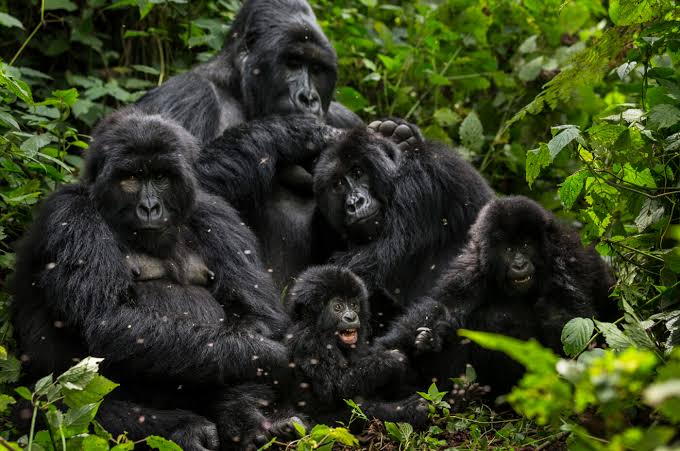
Gorilla trekking is much more than a wildlife adventure; it is a conservation partnership between travelers, governments, local communities, and conservation organizations. Every permit purchased, every local guide employed, and every responsible visitor who enters the forest contributes to the survival of mountain gorillas.
By visiting destinations such as Uganda's Bwindi Impenetrable National Park, Rwanda's Volcanoes National Park, or Congo's Virunga National Park, travelers help protect these magnificent creatures and ensure that future generations will continue to experience the wonder of mountain gorillas in the wild.